 العربية
 English

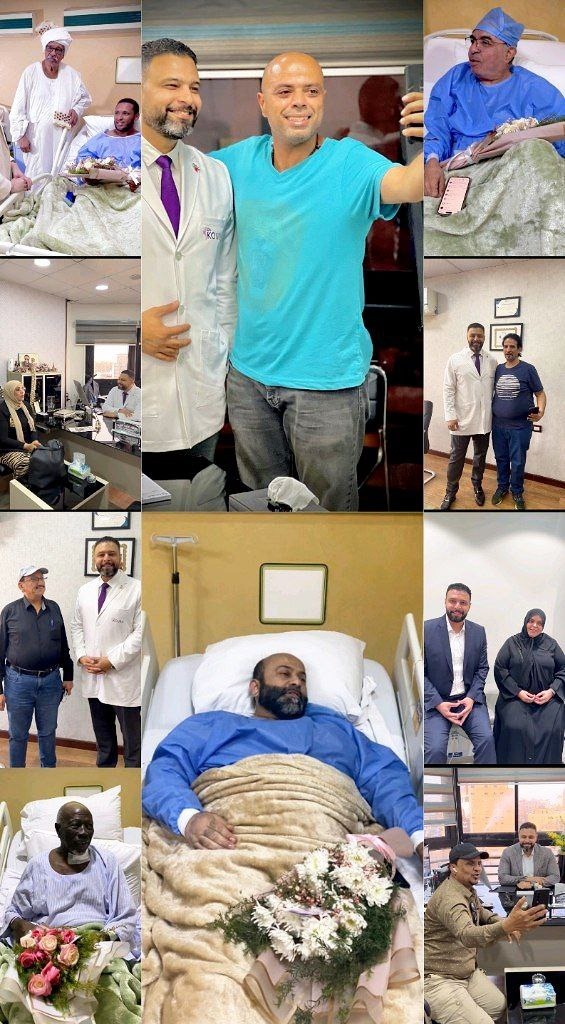
To see patients' reviews
Click hereRadiofrequency ablation: The ideal solution for pain relief


Radiofrequency ablation has been presented as one of the most widely known treatments for nerve pain and joint pain treatment in modern medicine without the need for surgery. This treatment uses precise electrical waves to eliminate chronic pain and improve mobility, making it an effective option for herniated disc cases as well as chronic nerve disorders. With close follow-up and a personalized treatment plan for each patient, the best possible outcomes can be achieved through Radiofrequency ablation for pain (RFA) under the care of Dr. Mohamed Koura, a leading pain management doctor and expert in advanced interventional pain procedures in Egypt.
What is radiofrequency ablation?
Radiofrequency ablation for pain (RFA) is an innovative and targeted treatment option involving electromagnetic waves that heat particular nerves to interfere with the transmission of pain signals. Radiofrequency ablation for pain (RFA) enables the relief of chronic nerve root inflammation and provides patients the chance to restore proper neurologic function while minimizing post-procedure risks and side effects. It is widely used in pain management and advanced interventional pain procedures for chronic spinal and nerve-related pain conditions.
Radiofrequency ablation steps
At Dr. Mohamed Koura's center, radiofrequency ablation is performed under close medical supervision in an operating room for complete sterilization and to ensure the highest safety standards. Radiofrequency ablation steps include:
- Injecting local anesthetic to minimize pain during the procedure.
- A fine needle is directed to the affected nerve using an interventional radiology device to ensure accurate treatment.
- The nerve is precisely located using electrical waves and medical dyes to track nerve signals.
- The radiofrequency device is set to the appropriate temperature for effective pain relief.
- The session typically lasts no more than 45 minutes, after which the patient can leave the center pain-free.
-
Who benefits from radiofrequency ablation?
Radiofrequency ablation is the ideal solution for many chronic pain conditions, particularly in nerves and joints. The most prominent beneficiaries include:
- Patients with herniated discs: Whether lumbar disc or cervical, radiofrequency ablation helps reduce inflammation and pressure on the nerves, relieving pain and restoring normal movement.
- Patients with trigeminal neuralgia: Especially those over 50 years old, the treatment provides rapid relief and helps patients with trigeminal neuralgia improve their quality of life without the need for major surgical intervention.
Can pain return after radiofrequency ablation?
Success in using Radiofrequency ablation for pain (RFA) to resolve pain in the neck and joints has been achieved in many people, yet certain cases of recurring pain could arise when a physician has not provided treatment of the conditions causing the pain or if a patient doesn't follow their instructions for altering lifestyle aspects that influence it. In such cases, proper follow-up with a pain management doctor and adherence to rehabilitation plans are essential for long-term improvement.
Why Dr. Mohamed Koura's Center?
Mohamed Koura has been one of the most distinguished doctors specializing in Radiofrequency ablation for pain (RFA) and among the most important figures in pain management through modern therapeutic methods. The medical center offers advanced solutions for patients suffering from spinal and joint pain, using the latest generation equipment to ensure safe and effective treatment followed by comprehensive case follow-up. Dr. Mohamed Koura's Center is a perfect destination if you're looking for a leading center for Radiofrequency ablation for pain (RFA) treatment.
Modern methods and extensive experience can help patients return to a normal life free from pain with the highest levels of safety. The doctor also focuses on transparency by providing clear consultations and accurate information regarding treatment costs and the most suitable treatment plan for each individual case.
Rely on us when seeking the best pain management doctor and specialists who utilize modern interventional pain procedures and advanced non-surgical therapies.
Dr. Mohamed Koura is here to assist you using the latest therapeutic techniques, including thermal radiofrequency and laser treatments for spinal pain without surgery—book your appointment now from here.
Why Choose Dr. Mohamed Koura ?
Simply because he is the best doctor in his feild. He stays updated on the latest treatment technologies through his participation in various international conferences with leading foreign doctors and experts. Finally, and most importantly, Dr. Mohamed Koura is the best doctor in Egypt and the Arab world, possessing 12 non-surgical techniques for treating spinal and joint problems. He was the first to introduce modern interventional treatment techniques in Egypt & the Middle East and is the only one using the disc fx technique to treat spinal pain.
To see patients' reviews
Click hereRadiofrequency ablation (RFA) is a minimally invasive procedure that uses controlled heat generated by radiofrequency waves to target specific nerves responsible for transmitting pain signals. It helps relieve chronic pain without the need for traditional surgery.
Radiofrequency ablation is commonly used to treat chronic back pain, neck pain, herniated discs, sciatica, knee osteoarthritis, facet joint pain, trigeminal neuralgia, and other chronic joint or nerve pain conditions.
No. Radiofrequency ablation is performed under local anesthesia, and most patients experience only mild discomfort during the procedure. Patients can usually return home on the same day.
The procedure typically takes between 30 and 45 minutes, depending on the area being treated and the patient's condition.
The duration of pain relief varies from one patient to another. Many patients experience significant pain relief for several months, while others may benefit for one to two years or longer, depending on the underlying condition.
In many cases, radiofrequency ablation can help patients avoid or delay surgery by effectively reducing chronic pain. However, the best treatment option depends on the patient's diagnosis and overall condition.
A life without pain without surgery
Once you book with Dr. Koura
Get rid of pain with just one call… Book your appointment now with Dr. Mohamed Koura, the best pain management doctor and a specialized consultant in spine treatment.
The highest success rates thanks to years of experience and scientific development
Using the latest non-surgical technologies available in Egypt and the Middle East
The largest team specialized in treating spine and joint pain without surgery

































Services
Our Branches
- Egypt
- +201210577770
- 54, intersection of Al-Batal Ahmed Abdel Aziz Street with the League of Arab States, above Qatar National Bank - Mohandiseen - Giza
- Dubai
- +971501232065
- Dubai Healthcare City Phase 2 - Al Jaddaf - Dubai - United Arab Emirates
- Libya
- +218934802987
- Ghairan rood, Janzur, ,Tripoli, Libya