 العربية
 English
Main Categories
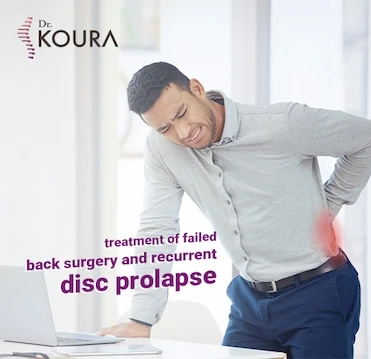
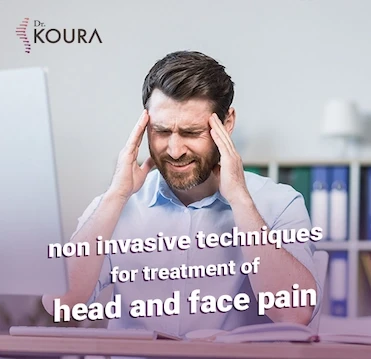
By following Dr. Mohamed Koura on social media, you can gain a deeper understanding of the field of pain interventions and treatments through his educational videos. These videos cover the latest techniques and therapeutic approaches for managing different types of pain, providing you with advanced medical knowledge and valuable information on how to improve your health and quality of life. If you suffer from back pain or lower back pain, you will find important information in these videos about the signs of a herniated disc and how to detect it at an early stage. In addition, the videos explore the latest non-surgical approaches to treating facial and head pain, offering several options for managing these conditions without the need for complex surgical procedures.
For those experiencing neck pain, Dr. Koura provides detailed information about treating cervical disc herniation without surgery, making it a suitable option for people looking for a simpler treatment approach without surgical intervention. The content also discusses shoulder pain and provides advanced solutions for treating shoulder joint conditions, including effective techniques to reduce pain and improve mobility. The videos also cover available treatment options for knee pain and joint osteoarthritis, which is an important topic for many people suffering from this common condition. Other topics include hip joint osteoarthritis and the treatment of shingles-related pain using radiofrequency techniques. Following Dr. Koura’s content on social media allows you to benefit from his extensive experience and stay informed about the latest information and techniques in the field of pain management, helping you improve your health, comfort, and daily quality of life.
-webp.webp "Neck Pain")
-webp.webp "Best Shoulder Pain Treatment")
-webp.webp "Knee Osteoarthritis Treatment")
-webp.webp "Other Pain")
There are no risks or side effects associated with non-surgical pain interventions.
The patient needs only 3 to 4 days before they can travel comfortably, and the hospital stay does not exceed 6 to 8 hours.
A condition cannot be accurately assessed and a proper medical diagnosis made without a medical examination and recent imaging studies.
Yes, there are several payment methods available through Visa or electronic wallets by making a reservation on our website.
Certainly, obesity is one of the causes of knee osteoarthritis.
Radiofrequency activates the nerve and does not cause any damage to it.
Non-surgical interventions are a definitive treatment for some cases and pain relievers for other cases, which is determined by the doctor through a medical examination.
If the herniated disc is fully treated, there is a possibility of it reoccurring in some cases, such as not following the doctor's prescribed instructions after the intervention, experiencing an accident, or making a sudden wrong movement like lifting heavy objects.
The entire disc is not removed due to the presence of several risks and it may exacerbate the condition. Only the protruding part that causes pain is removed.
This cannot be done with radiofrequency, but it is performed through other techniques that Dr. Koura conducts.
The success or failure of non-surgical interventions cannot be judged through radiographic imaging because these procedures involve making subtle changes to critical parts to address the issue. Consequently, they do not produce significant changes to avoid potential complications in the future or damage to the spine and joints, which is our primary goal.
Spinal stenosis does not typically cause sciatica. In most cases, disc herniation is what may lead to sciatica. This does not necessarily mean that a patient with sciatica will also have spinal stenosis.
Sciatica may return if the patient does not adhere to the medical instructions provided by the doctor or in the event of an unexpected accident.
Yes, all techniques at the center are performed under specialized medical supervision and are designed to treat the root cause of pain, not just relieve the symptoms. Most patients notice significant improvement within a few weeks, with close follow-up to ensure the best possible results.
test Faq Question new g
Hyaluronic acid injections work by lubricating the joint and improving movement by increasing flexibility and reducing friction between the bones of the knee. These injections are especially useful for people with mild to moderate arthritis, and they help reduce pain and improve walking ability and daily activity.
If the pain is accompanied by severe swelling, knee weakness, difficulty walking, persistent sharp pain, or inability to bend the knee, you should visit Dr. Mohamed Koura Center immediately for evaluation and an urgent treatment plan.
Pain management is a medical specialty focused on diagnosing and treating chronic and acute pain conditions such as spine pain, herniated discs, headaches, joint pain, and nerve pain using medications, physical therapy, and advanced non-surgical techniques.
Yes, many cases of herniated discs can be treated without surgery through physical therapy, medications, therapeutic injections, and radiofrequency treatment, especially when diagnosed early and treated with the appropriate care plan.
The latest non-surgical pain treatment techniques include radiofrequency therapy, interventional injections, platelet-rich plasma (PRP) injections, specialized physical therapy, and minimally invasive treatments that help reduce inflammation and improve movement without surgery.
Yes, radiofrequency treatment is considered a safe and effective technique for pain relief. It is performed under specialized medical supervision to reduce pain and nerve pressure without surgery, with a relatively quick recovery period.
The treatment duration depends on the cause and severity of the condition, but many patients notice gradual improvement within a few weeks when following the treatment plan, physical therapy, and daily care instructions.
Physical therapy plays an important role in improving movement and strengthening muscles, but in some advanced cases it may not be enough on its own. Additional treatments such as injections or radiofrequency therapy may be needed depending on the doctor’s evaluation.
A herniated disc occurs when the disc presses on the nerves, while spinal osteoarthritis is caused by the gradual wear and tear of the joints and cartilage. Both conditions can cause neck or back pain, but the treatment approach differs depending on the diagnosis.
Yes, many cases of knee osteoarthritis can be treated without surgery using therapeutic injections, physical therapy, muscle-strengthening exercises, and advanced pain management techniques that help reduce inflammation and improve movement.
Dr. Mohamed Koura’s clinic provides advanced interventional pain management treatments without surgery, including radiofrequency ablation, Disc-FX endoscopic discectomy, catheter-based treatments, nerve root injections, and treatments for herniated discs, joint pain, and spinal conditions.
Yes, in many cases a herniated disc can be treated without surgery using minimally invasive techniques such as Disc-FX endoscopy, radiofrequency therapy, or image-guided injections. The appropriate treatment is determined after proper medical evaluation.
Radiofrequency is a modern pain management technique that uses heat energy to interrupt pain signals coming from the affected nerves, helping to significantly reduce chronic pain without the need for surgery.
Disc-FX is a minimally invasive endoscopic technique used to treat herniated discs without open surgery. It precisely removes the damaged disc tissue causing pain, resulting in faster recovery and fewer complications.
Recovery time is usually much shorter compared to traditional surgery. Most patients can return to their normal daily activities within a short period, depending on the procedure performed.
Yes, nerve root injections are highly effective in reducing pain caused by herniated discs or nerve inflammation. They provide fast and targeted pain relief.
Results vary depending on the patient’s condition and disease severity. In many cases, non-surgical treatments provide long-term relief when combined with proper medical follow-up and lifestyle adjustments.
Shingles is a viral infection caused by the reactivation of the varicella-zoster virus, the same virus that causes chickenpox. It typically appears as a painful rash with fluid-filled blisters on one side of the body or face. Early diagnosis and treatment can help reduce the risk of complications.
The most common shingles symptoms include burning pain, tingling, or numbness before the rash appears. This is followed by a red rash and clusters of fluid-filled blisters. Some people may also experience fever, headache, fatigue, and persistent nerve pain even after the rash has healed.
The primary causes of shingles involve the reactivation of the dormant varicella-zoster virus. This is more likely to occur in older adults, people with weakened immune systems, individuals under significant stress, or those with chronic medical conditions that affect immunity.
Shingles treatment with radiofrequency is a minimally invasive pain management procedure used for patients with persistent nerve pain after shingles, known as postherpetic neuralgia. Radiofrequency therapy targets the affected nerves to interrupt pain signals, providing long-lasting pain relief without surgery.
Shingles treatment with radiofrequency may be recommended when nerve pain continues for weeks or months after the shingles rash has healed and does not respond adequately to medications or other conservative treatments. A pain management specialist will determine whether the procedure is appropriate.
A meniscus tear is an injury to the cartilage in the knee that acts as a shock absorber between the thigh bone and shin bone. It often causes pain, swelling, and difficulty moving the knee, especially during walking, bending, or climbing stairs.
In some mild to moderate cases, symptoms of a meniscus tear can improve without surgery through physical therapy, rest, and regenerative treatments such as PRP injections. However, severe tears may require medical intervention.
Non-surgical treatment options include physical therapy to strengthen the muscles around the knee, PRP (platelet-rich plasma) injections, anti-inflammatory care, and radiofrequency treatment to reduce pain and improve joint function.
Surgery may be required in severe cases, such as large tears, persistent symptoms despite conservative treatment, or repeated knee locking that affects daily movement.
Yes, a herniated disc can heal completely in many cases, especially with early diagnosis and the right treatment plan. Recovery depends on the severity of the condition, the degree of nerve compression, and the patient's commitment to the recommended treatment.
Yes. Many cases of a herniated disc can be successfully treated without surgery using advanced techniques such as radiofrequency treatment, the Disc-FX procedure, nerve root injections, and physical therapy. The most appropriate treatment depends on the patient's condition.
Recovery time varies from one patient to another based on the severity of the herniated disc and the treatment used. Some patients improve within a few weeks, while others may require several months for a full recovery.
Signs of recovery include a gradual reduction in pain, improved mobility, decreased numbness or tingling, restored muscle strength, and the ability to return to normal daily activities with little or no discomfort.
A herniated disc may recur if proper spinal care is not maintained. Following your doctor's instructions, maintaining a healthy weight, practicing proper lifting techniques, and performing recommended exercises can help reduce the risk of recurrence.
The most common symptoms of a herniated disc in the back include lower back pain, numbness or tingling in the legs, muscle weakness, and pain that may radiate down to the foot due to pressure on the nerves.
If your back pain is accompanied by numbness, muscle weakness, or pain that radiates to the buttocks or legs, it may be caused by a herniated disc. A physical examination and MRI scan are usually needed to confirm the diagnosis.
Herniated disc symptoms become serious if they include severe muscle weakness, loss of sensation, difficulty walking, or loss of bladder or bowel control. These symptoms require immediate medical attention.
Yes. Many cases of a herniated disc can be treated without surgery using physical therapy, medications, nerve root injections, radiofrequency treatment, and other minimally invasive techniques, depending on the severity of the condition.
Recovery time varies depending on the severity of the herniated disc and the treatment plan. Mild cases may improve within a few weeks, while more advanced cases may require a longer recovery period.
The best treatment depends on the patient’s diagnosis and may include medication, physical therapy, injections, radiofrequency treatment, or disc decompression techniques such as disc aspiration in suitable cases.
Yes, many herniated disc cases can be treated without surgery using modern non-surgical techniques such as disc aspiration, spinal injections, and radiofrequency treatment, depending on the condition.
Disc aspiration may be recommended for selected patients with herniated discs causing nerve pressure and persistent pain that does not improve with conventional treatments.
The procedure usually takes around 20 minutes, and most patients can leave the medical center shortly after the treatment according to the doctor’s evaluation.
Choosing a specialist with experience in spinal pain management and modern treatment techniques is essential. Dr. Mohamed Koura provides advanced non-surgical disc treatments, including disc aspiration, spinal injections, and radiofrequency therapy.
A life without pain without surgery
Once you book with Dr. Koura
Get rid of pain with just one call… Book your appointment now with Dr. Mohamed Koura, the best pain management doctor and a specialized consultant in spine treatment.
The highest success rates thanks to years of experience and scientific development
Using the latest non-surgical technologies available in Egypt and the Middle East
The largest team specialized in treating spine and joint pain without surgery































Services
Our Branches
- Egypt - El Mohandssen
- +201210577770
- 54, intersection of Al-Batal Ahmed Abdel Aziz Street with the League of Arab States, above Qatar National Bank - Mohandiseen - Giza
- Dubai
- +971501232065
- Dubai Healthcare City Phase 2 - Al Jaddaf - Dubai - United Arab Emirates
- Al Sheikh Zayed
- 00201067303035
- ، First Al Sheikh Zayed, Giza Governorate