 العربية
 English

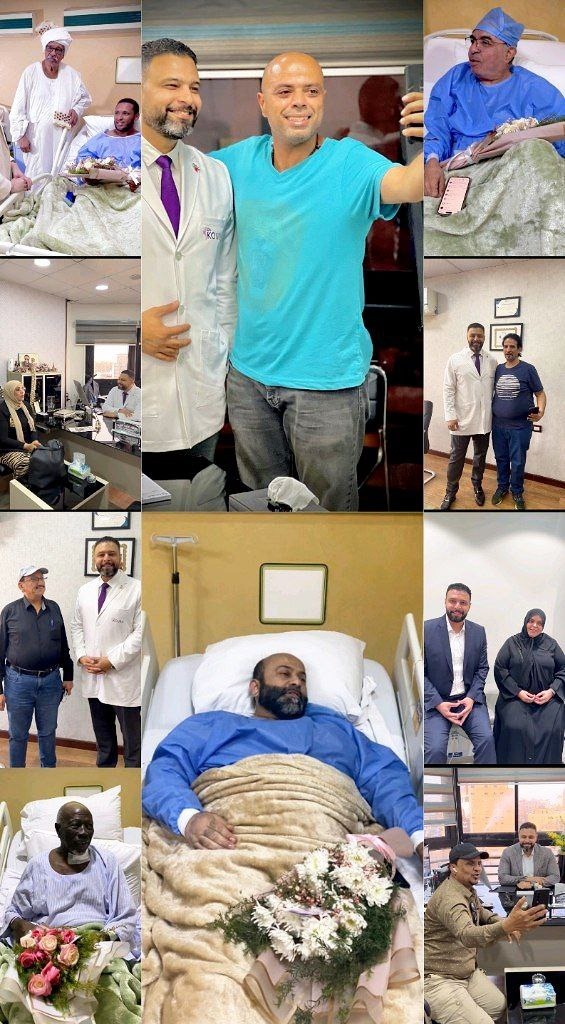
To see patients' reviews
Click hereTreatment of shingles pain with radiofrequency

Herpes Zoster commonly known as shingles, is a painful viral infection caused by the reactivation of the varicella-zoster virus, the same virus responsible for chickenpox. The condition can cause a painful skin rash and nerve pain that may interfere with daily activities and quality of life.
In some patients pain continues even after the shingles rash has healed. This condition is known as postherpetic neuralgia, a type of nerve pain that can persist for months or longer and may require specialized pain management.
This article explains the symptoms and causes of Herpes Zoster, its possible complications, and available Herpes Zoster treatment options for persistent nerve pain.
What Is Herpes Zoster?
Herpes Zoster is a viral infection caused by the reactivation of the varicella-zoster virus. After a person recovers from chickenpox, the virus remains inactive in the body and can become reactivated later in life.
When the virus becomes active again, it travels along nerve pathways and can cause a painful rash, burning sensations, and nerve-related pain in a specific area of the body.
What Are the Symptoms of Herpes Zoster?
The symptoms of Herpes Zoster can develop in stages.
Early Symptoms
Early symptoms may include:
- Fever.
- Chills.
- Headache.
- Fatigue.
- Sensitivity to light.
- Stomach discomfort.
Several days later, skin and nerve-related symptoms may develop, including:
- Itching, tingling, or burning in a specific area of the skin.
- Skin redness.
- A raised rash affecting a localized area.
- Fluid-filled blisters that eventually open and crust.
- Mild to severe pain in the affected area.
The rash commonly appears on one side of the body, although the exact location and severity can vary.
What Causes Herpes Zoster?
Herpes Zoster occurs when the varicella-zoster virus becomes active again after remaining dormant in the body following a previous case of chickenpox infection.
Several factors may increase the likelihood of viral reactivation, including:
Increasing age.
A weakened immune system.
Physical or psychological stress.
Certain chronic medical conditions.
Immunosuppressive medications.
Cancer treatment.
Major surgery or significant physical stress.
Having had chickenpox in the past is a prerequisite for developing shingles because the virus remains in the body after the initial infection.
Is Herpes Zoster Infectious?
Herpes Zoster itself is not transmitted from one person to another as shingles. However, a person with active shingles can transmit the varicella-zoster virus to someone who has never had chickenpox or received appropriate immunity.
The newly infected person would generally develop chickenpox, not Herpes Zoster.
Transmission can occur through direct contact with fluid from open shingles blisters. Keeping the rash covered and avoiding direct contact with susceptible individuals can help reduce the risk of transmission.
What Are the Complications of Herpes Zoster?
Most people recover from Herpes Zoster but some patients may develop complications.
One of the most important complications is postherpetic neuralgia.
What Is Postherpetic Neuralgia?
Postherpetic neuralgia is persistent nerve pain that remains after the Herpes Zoster rash has healed. The pain occurs because the infection can damage or irritate the affected nerves.
Symptoms may include:
- Burning or shooting pain.
- Increased sensitivity to touch.
- Tingling or numbness.
- Itching in the affected area.
- Pain that continues for months or longer after the rash disappears.
Postherpetic neuralgia can significantly affect sleep, movement and daily activities, particularly when the pain is severe or persistent.
Other possible complications may include:
Persistent nerve-related numbness or itching.
Secondary bacterial infection of the rash.
Eye complications when shingles affects the area around the eye.
Ear-related complications when the infection affects nerves near the ear.
Herpes Zoster Treatment
Herpes Zoster treatment depends on the stage of the infection and the patient's symptoms.
During the active stage medical treatment may include antiviral medication and other measures prescribed by a healthcare professional to reduce the severity and duration of symptoms.
When significant nerve pain continues after the rash has healed, the treatment approach may focus on managing postherpetic neuralgia and reducing persistent nerve pain.
Postherpetic Neuralgia Treatment
The treatment of postherpetic neuralgia depends on the severity and duration of the pain, the affected nerves, and the patient overall condition.
Treatment may include medications and other conservative approaches. For selected patients with persistent pain that does not respond adequately to conventional treatment, minimally invasive pain management techniques may be considered.
Thermal Radiofrequency for Postherpetic Neuralgia
Thermal radiofrequency is a minimally invasive technique that may be considered for selected patients with persistent nerve pain associated with postherpetic neuralgia.
At Dr. Mohamed Koura Center, radiofrequency treatment is performed using image guidance to help accurately target the nerve associated with the patient's pain.
The procedure may involve:
Preparing the patient in an operating room under appropriate sterile conditions.
Applying local anesthesia to the treatment area.
Using image guidance to position a thin needle near the targeted nerve.
Applying radiofrequency energy according to the treatment plan.
Monitoring the patient after the procedure before discharge.
The exact technique and treatment parameters depend on the affected nerve and the patient's individual condition.
What Are the Benefits of Radiofrequency Treatment for Postherpetic Neuralgia?
For appropriately selected patients, minimally invasive radiofrequency treatment may offer potential benefits, including:
Targeted treatment of the affected nerve.
A minimally invasive approach using a thin needle.
Local anesthesia rather than general anesthesia in appropriate cases.
A relatively short procedure.
No traditional open surgery.
The possibility of reducing persistent nerve pain and improving daily function.
Treatment outcomes vary from patient to patient, and radiofrequency is not suitable for every case of postherpetic neuralgia.
How Long Does Radiofrequency Treatment Take?
This procedure might take around 30 minutes, give or take a bit, it depends on the targeted nerve and the exact treatment approach used.
After the procedure, patients are kept under watch and if everything looks medically appropriate, they may go back home that same day.
How long it takes to recover and get back to normal activities can be different for each person and it also depends on what procedure was done.
When Should You Seek Medical Evaluation?
Medical evaluation is recommended if you develop a painful rash, especially if:
The rash is close to the eye or ear.
Pain is severe.
Symptoms are worsening.
You develop persistent nerve pain after the rash has healed.
You experience significant numbness or weakness.
The pain interferes with sleep or daily activities.
Early medical assessment can help identify Herpes Zoster and determine the appropriate Herpes Zoster Treatment based on the stage of the infection and the patient's symptoms.
Why Choose Dr. Mohamed Koura Center for Persistent Shingles Pain?
Dr. Mohamed Koura Center specializes in interventional pain management and provides minimally invasive treatment options for selected patients with persistent nerve-related pain.
Patients undergo clinical assessment before treatment to determine the source of pain and whether an interventional procedure is appropriate. The center provides diagnostic and treatment services to support patients throughout their pain management journey, including selected options for Herpes Zoster Treatment and persistent shingles-related nerve pain.
Dr. Mohamed koura is here to assist you using the latest therapeutic techniques, including thermal radiofrequency and laser treatments for spinal pain without surgery—book your appointment now from here.
Why Choose Dr. Mohamed Koura ?
Simply because he is the best doctor in his feild. He stays updated on the latest treatment technologies through his participation in various international conferences with leading foreign doctors and experts. Finally, and most importantly, Dr. Mohamed Koura is the best doctor in Egypt and the Arab world, possessing 12 non-surgical techniques for treating spinal and joint problems. He was the first to introduce modern interventional treatment techniques in Egypt & the Middle East and is the only one using the disc fx technique to treat spinal pain.
Shingles is a viral infection caused by the reactivation of the varicella-zoster virus, the same virus that causes chickenpox. It typically appears as a painful rash with fluid-filled blisters on one side of the body or face. Early diagnosis and treatment can help reduce the risk of complications.
The most common shingles symptoms include burning pain, tingling, or numbness before the rash appears. This is followed by a red rash and clusters of fluid-filled blisters. Some people may also experience fever, headache, fatigue, and persistent nerve pain even after the rash has healed.
The primary causes of shingles involve the reactivation of the dormant varicella-zoster virus. This is more likely to occur in older adults, people with weakened immune systems, individuals under significant stress, or those with chronic medical conditions that affect immunity.
Shingles treatment with radiofrequency is a minimally invasive pain management procedure used for patients with persistent nerve pain after shingles, known as postherpetic neuralgia. Radiofrequency therapy targets the affected nerves to interrupt pain signals, providing long-lasting pain relief without surgery.
Shingles treatment with radiofrequency may be recommended when nerve pain continues for weeks or months after the shingles rash has healed and does not respond adequately to medications or other conservative treatments. A pain management specialist will determine whether the procedure is appropriate.
A life without pain without surgery
Once you book with Dr. Koura
Get rid of pain with just one call… Book your appointment now with Dr. Mohamed Koura, the best pain management doctor and a specialized consultant in spine treatment.
The highest success rates thanks to years of experience and scientific development
Using the latest non-surgical technologies available in Egypt and the Middle East
The largest team specialized in treating spine and joint pain without surgery

































Services
Our Branches
- Egypt - El Mohandssen
- +201210577770
- 54, intersection of Al-Batal Ahmed Abdel Aziz Street with the League of Arab States, above Qatar National Bank - Mohandiseen - Giza
- Al Sheikh Zayed
- 00201067303035
- ، First Al Sheikh Zayed, Giza Governorate
- Dubai
- +971501232065
- Dubai Healthcare City Phase 2 - Al Jaddaf - Dubai - United Arab Emirates