 العربية
 English
To see patients' reviews
Click hereSpinal Canal Stenosis
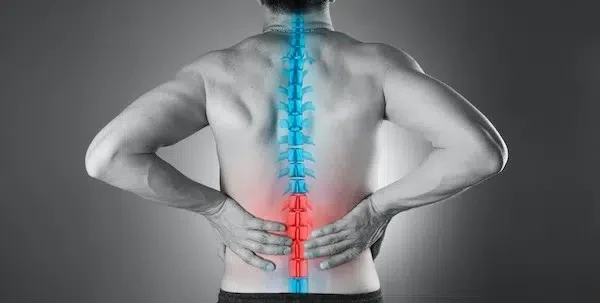
Spinal Canal Stenosis is considered one of the important conditions affecting the spine and nervous system, as the spinal canal is responsible for conveying nervous signals and information to the various organs of the body. However, problems such as Spinal Canal Stenosis can lead to symptoms including numbness, tingling, back pain, and chronic spinal pain. Fortunately, advances in modern medicine have made non-surgical treatment for spinal stenosis a highly effective option for relieving symptoms and improving mobility without the need for traditional surgery.
What Is Spinal Canal Stenosis?
Spinal canal stenosis is kind of the narrowing of the spinal canal in one or maybe a few, areas. The spinal canal itself is basically the passageway through each of the bones in the spinal column where the spinal cord and the nerves that exit the cord actually rest. When that space gets smaller, it can cause compression or irritation of the spinal cord and nerves and then you can start to feel things like back pain, lower back pain, spinal pain, numbness, tingling and sciatica. Often, people end up needing advanced spine treatment, sciatica treatment, and also non-surgical treatment for spinal stenosis, just to ease the pain and get mobility back.
Early diagnosis of Spinal Canal Stenosis is important because timely treatment can help prevent complications and reduce the need for surgery.
Symptoms of Spinal Canal Stenosis
Symptoms vary based on the severity and location of the compression and may include:
- Lower back pain radiating to the buttocks and legs, possibly extending to the feet.
- Numbness or tingling in the buttocks, legs, or feet.
- Weakness in the arms or legs.
- Increased pain when standing for long periods or walking downhill.
- Pain episodes waking the patient at night, resembling electric shocks.
- Neurogenic claudication, a feeling of heaviness and cramping in the legs, often relieved by sitting or leaning forward.
Causes of Spinal Canal Stenosis
- Genetic Changes: Sometimes leading to bone or tendon enlargement, compressing the spinal canal.
- Spondylolisthesis: A vertebral slip causing pressure on the canal from all directions.
- Osteoarthritis: Resulting in bony growths that compress the canal.
- Herniated Discs: Causing nerve compression from the front.
- Thickened Ligaments: Pressuring the canal from the back.
Complications of Spinal Canal Stenosis
Neglecting treatment can lead to severe complications, including:
- Loss of bladder control caused by Spinal Canal Stenosis.
- Neurological sexual dysfunction, such as erectile dysfunction related to nerve compression and Spinal pain.
- In rare cases, partial or complete paralysis of the legs due to advanced spinal canal stenosis.
Treatment Methods for Spinal Canal Stenosis
1. Medications
Doctors may prescribe medications to relieve pain and inflammation in mild to moderate cases.
2. Physical Therapy
Involves a customized exercise program to improve balance, flexibility, and strengthen the back and abdominal muscles. It must be supervised by a specialist.
3. Surgery
Reserved for advanced cases, but it has several drawbacks:
- Prolonged bed rest post-surgery.
- Risk of wound infection.
- Requires physiotherapy to strengthen back muscles post-surgery.
Non-Surgical Treatment for Spinal Stenosis
Non-surgical treatment for spinal stenosis can significantly improve symptoms and quality of life without the risks associated with major surgery.
- Using specialized tools to expand the spinal canal through a small skin incision.
- Injecting a contrast dye into the spinal canal to accurately visualize its edges and branches.
- Removing obstructions and relieving pressure on the canal and its nourishing arteries.
Patients can typically leave the hospital on the same day, resume normal activities quickly, and return to their daily routine the following day.
Can Spinal Canal Stenosis Be Prevented?
You can reduce the risk of spinal canal stenosis by:
- Eating a healthy diet rich in calcium.
- Maintaining a healthy weight.
- Quitting smoking to avoid arterial damage and back pain.
- Practicing proper sitting posture.
- Regular exercise to improve muscle strength, especially in the back.
Finally after kinda understanding the symptoms, causes, and complications of Spinal Canal Stenosis it’s pretty clear that early diagnosis and the right treatment really do matter a lot in stopping long term complications. At Dr. Mohamed Koura’s center, we provide advanced non-surgical treatment for spinal stenosis using the latest pain management and spine treatment techniques to help patients reduce pain, restore mobility, and improve their quality of life.
Dr. Mohamed Koura is here to assist you using the latest therapeutic techniques, including thermal radiofrequency and laser treatments for spinal pain without surgery—book your appointment now from here.
Why Choose Dr. Mohamed Koura ?
Simply because he is the best doctor in his feild. He stays updated on the latest treatment technologies through his participation in various international conferences with leading foreign doctors and experts. Finally, and most importantly, Dr. Mohamed Koura is the best doctor in Egypt and the Arab world, possessing 12 non-surgical techniques for treating spinal and joint problems. He was the first to introduce modern interventional treatment techniques in Egypt & the Middle East and is the only one using the disc fx technique to treat spinal pain.
To see patients' reviews
Click hereSpinal canal stenosis is the narrowing of the spinal canal, which puts pressure on the spinal cord or nearby nerves. This condition can cause lower back pain, numbness, weakness, and difficulty walking or standing for long periods.
Common symptoms include lower back pain that radiates to the buttocks or legs, numbness or tingling in the legs or feet, muscle weakness, pain that worsens with walking or standing, and relief when sitting or leaning forward.
Yes. Many patients can benefit from non-surgical spinal canal stenosis treatment using minimally invasive interventional pain management techniques that relieve pressure on the nerves without the need for open surgery.
Non-surgical treatment involves inserting specialized instruments through a small skin incision under imaging guidance to widen the narrowed spinal canal and reduce pressure on the affected nerves. Most patients can return home the same day and resume normal activities shortly afterward.
Spinal canal stenosis may result from age-related degeneration, herniated discs, spinal arthritis, slipped vertebrae, thickened ligaments, or inherited anatomical changes that narrow the spinal canal and compress the nerves.
A life without pain without surgery
Once you book with Dr. Koura
Get rid of pain with just one call… Book your appointment now with Dr. Mohamed Koura, the best pain management doctor and a specialized consultant in spine treatment.
The highest success rates thanks to years of experience and scientific development
Using the latest non-surgical technologies available in Egypt and the Middle East
The largest team specialized in treating spine and joint pain without surgery

























Services
Our Branches
- Egypt
- +201210577770
- 54, intersection of Al-Batal Ahmed Abdel Aziz Street with the League of Arab States, above Qatar National Bank - Mohandiseen - Giza
- Dubai
- +971501232065
- Dubai Healthcare City Phase 2 - Al Jaddaf - Dubai - United Arab Emirates
- Libya
- +218934802987
- Ghairan rood, Janzur, ,Tripoli, Libya