 العربية
 English


To see patients' reviews
Click hereSpine pain | Causes and treatment methods
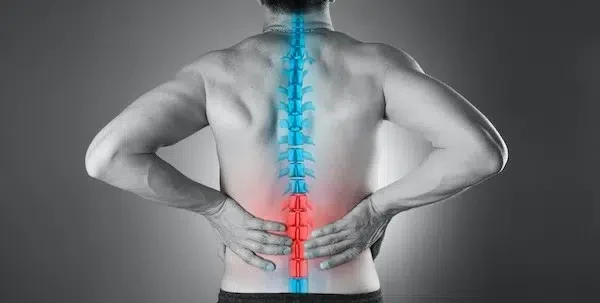

Spinal pain is one of the most often showing up health problems, and it can make a big difference with a persons ability to do daily stuff. This condition might bring sharp aches, muscle spasms, stiffness and trouble when moving and that can lower overall quality of life. The spine is the bodies main support framework, it helps keep balance and posture steady while also guarding the spinal cord. Once spinal problems start, even the simplest routine activities can start to feel tough, so getting an early diagnosis and the right spine treatment is essential for bringing back comfort and mobility.
What is Spinal Pain?
Spinal pain exists as a widespread medical issue that affects numerous individuals across the globe. The modern medical advancements of today have created simpler methods for treating spinal pain. The causes of spinal pain originate from two main sources, which include psychological factors that produce muscle strain and physical conditions that weaken the spine. Fortunately, modern spine treatment approaches allow doctors to diagnose the underlying cause accurately and provide effective treatment plans. The most frequent sources of spinal pain will be examined together with their effective treatment methods.
Diagnosing Spinal Pain
The process for diagnosing spinal pain requires specific procedures to identify the pain's fundamental cause. The procedure consists of the following steps:
- Nerve conduction tests: Used to assess nerve function and determine if nerve damage is due to pressure from vertebrae or discs.
- Magnetic resonance imaging (MRI): An advanced diagnostic tool which enables doctors to obtain detailed images of soft tissues that include muscles, tendons, and nerves, thus serving as the optimal solution for herniated disc diagnosis and tissue inflammation detection.
- X-rays: Provide a comprehensive view of bone and vertebrae positioning, used to detect issues such as fractures or degeneration.
- Blood tests: Conducted to identify infections or autoimmune diseases that may be causing spinal pain.
Symptoms of Spinal Pain
Spinal pain can present in various ways and significantly affect a person's quality of life. The symptoms of spinal pain may range from mild discomfort to severe pain that interferes with daily activities. The most notable symptoms include:
- Difficulty standing upright: People with spinal pain find standing straight difficult because their condition causes higher pain levels and muscle spasms.
- Pain in the neck or lower back: Some people experience neck and lower back pain because of vertebral and muscle-related issues.
- Pain radiating to the legs: Sciatica occurs when back pain spreads to the legs because of spinal nerve pressure.
- Pain in the mid-back: People experience pain when they sit or stand for extended periods because their body weight creates pressure on their spinal muscles and ligaments, which leads to discomfort.
What Are the Causes of Spinal Pain?
To understand the causes of spinal pain and vertebral stiffness, it’s essential to know its structure. The spine consists of a series of interconnected vertebrae. The vertebrae connect at their front through cartilaginous discs and their back through joints that link each vertebra to its adjacent vertebra. Each vertebral pair contains two joints which include one joint located on the right side and another joint located on the left side. The vertebrae are held together by ligaments and muscles which include both deep and superficial muscle groups. The system provides a pathway for the spinal cord and peripheral nerves to move through.
Common causes of spinal pain include:
- People who suffer from obesity face chronic pain because their extra body weight creates additional stress on their spinal column.
- Muscle tension develops as a result of stress which subsequently leads to increased back pain.
- The body requires sufficient sleep for optimal spinal function because lack of sleep harms spinal health.
- Joint overload results in extreme discomfort because excessive joint pressure generates high levels of pain.
- Spinal problems emerge when people maintain improper body positions during standing, sitting, or sleeping.
- Individuals who follow incorrect work or rest practices create harmful effects on their spinal health.
- The absence of physical exercise including even basic physical activities results in decreased strength of spinal support muscles.
- Back muscles and ligaments experience strain through two activities which include excessive physical activity and frequent heavy weight lifting. The body experiences tissue overload which leads to fatigue and irritation that results in pain.
- Back issues develop through two opposite behaviors which include excessive physical activity and excessive physical rest.
After understanding the structure of the spine, it's clear that spinal pain can arise from several sources, including:
- Herniated discs, especially in the lower back, which is one of the most vulnerable areas.
- Joint pain affects the spaces between vertebrae.
- Disc degeneration occurs through the aging process which results in alterations to spinal structure.
- The pelvic joint that links to the spine shows various changes.
- Muscles that surround the body experience painful sensations.
The most common type of spinal pain is caused by problems with the lower back discs. Irritation or degeneration of the disc can result in sharp, stinging pain accompanied by muscle spasms and pain spreading to other areas of the body.
Innovative Treatments for Spinal Pain Without Surgery
Dr. Mohamed Koura's center offers various solutions for treating spinal and back pain through minimally invasive techniques that eliminate the need for traditional surgical procedures. These advanced spine treatment methods use localized injections to deliver treatments which include cortisone and pain-relieving substances that help reduce nerve and vertebrae swelling through their anti-inflammatory properties. The procedure uses radiofrequency technology to control pain through heat which temporarily disables the nerve responsible for creating the pain without any need for surgical treatment.
The medical facility provides two Treatment of spinal pain options which include disc suction that extracts nerve-compressing disc material through advanced surgical instruments and disc vaporization that reduces disc size through thermal application. The medical team performs nerve canal decompression procedures to eliminate nerve compression which occurs when nerves become trapped within the spine, thus decreasing pain while restoring normal range of motion. The medical team conducts all their procedures through minor incisions which help decrease both the time needed for recovery and the risk of surgical complications.
Cost of Spinal Pain Treatment
The cost of spinal pain treatment and modern spine treatment procedures varies depending on several factors which include the nature of the injury and the medical treatment selection. In simpler cases treatment may be limited to rest and pain relievers and antibiotics which help soothe symptoms. The more complex cases need minimally invasive procedures which include nerve injections and disc suction and vaporization procedures that increase costs based on the procedure selected.
The cost of treatment depends on multiple factors which include the patient's diagnosis their spinal injury severity and their complete medical record and current physical symptoms. The exact treatment cost is determined through a complete medical evaluation which results in the development of a personalized treatment plan for each patient.
A Specialized Center for Spinal Pain Treatment
The center operates as a top spinal pain treatment facility which excels in its specialized treatment services. Dr. Mohamed Koura has more than 15 years of experience in treating chronic pain through his use of advanced medical techniques which ensure maximum quality and safety for his patients. The center delivers full medical services through its advanced equipment and minimizes surgical procedures by using its cutting-edge spine treatment and spinal pain treatment methods.
Dr. Mohamed koura is here to assist you using the latest therapeutic techniques, including thermal radiofrequency and laser treatments for spinal pain without surgery—book your appointment now from here.
Why Choose Dr. Mohamed Koura ?
Simply because he is the best doctor in his feild. He stays updated on the latest treatment technologies through his participation in various international conferences with leading foreign doctors and experts. Finally, and most importantly, Dr. Mohamed Koura is the best doctor in Egypt and the Arab world, possessing 12 non-surgical techniques for treating spinal and joint problems. He was the first to introduce modern interventional treatment techniques in Egypt & the Middle East and is the only one using the disc fx technique to treat spinal pain.
To see patients' reviews
Click hereCommon causes of spine pain include herniated discs, spinal arthritis, degenerative disc disease, muscle strain, poor posture, prolonged sitting, and injuries resulting from accidents or repetitive stress.
You should seek medical attention if spine pain is severe, persistent, associated with numbness or weakness in the arms or legs, loss of bladder or bowel control, or occurs after a significant injury.
Yes. Many cases of spine pain can be successfully managed without surgery through physical therapy, targeted exercises, medications, interventional pain management procedures, and lifestyle modifications.
Stretching exercises, core-strengthening exercises, and activities that improve flexibility and posture can help reduce spine pain and support spinal health. However, exercises should be tailored to the underlying cause of the pain.
Maintaining a healthy weight, staying physically active, using proper posture, avoiding prolonged sitting, and practicing safe lifting techniques can help reduce the risk of developing spine pain and spinal disorders.
A life without pain without surgery
Once you book with Dr. Koura
Get rid of pain with just one call… Book your appointment now with Dr. Mohamed Koura, the best pain management doctor and a specialized consultant in spine treatment.
The highest success rates thanks to years of experience and scientific development
Using the latest non-surgical technologies available in Egypt and the Middle East
The largest team specialized in treating spine and joint pain without surgery

































Services
Our Branches
- Egypt
- +201210577770
- 54, intersection of Al-Batal Ahmed Abdel Aziz Street with the League of Arab States, above Qatar National Bank - Mohandiseen - Giza
- Dubai
- +971501232065
- Dubai Healthcare City Phase 2 - Al Jaddaf - Dubai - United Arab Emirates
- Libya
- +218934802987
- Ghairan rood, Janzur, ,Tripoli, Libya