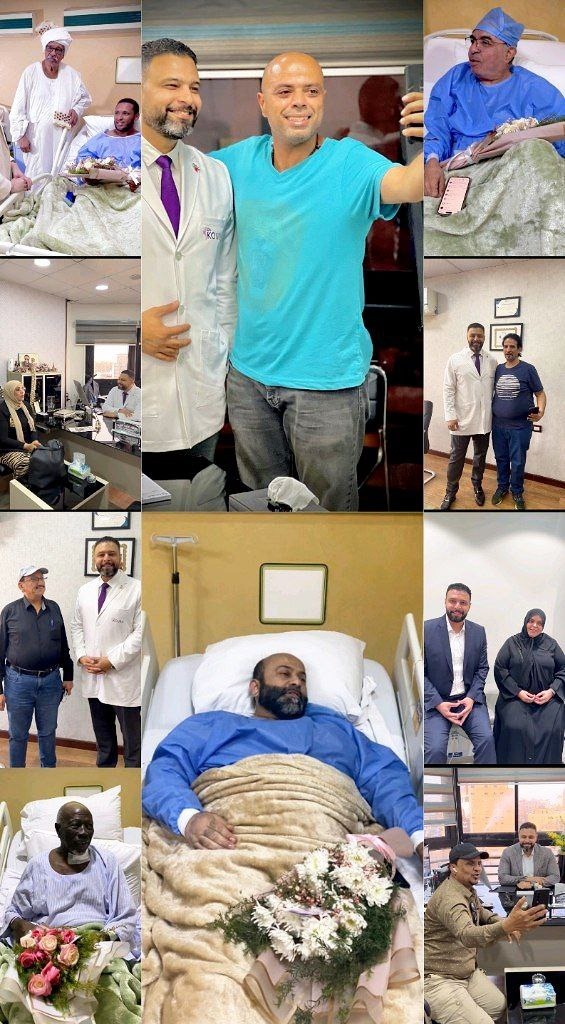
To see patients' reviews

Click here

DRG Stimulation for Treatment of Postoperative Pain: A Comprehensive Review with Focus on Hernia Operations

Postoperative pain is a major clinical challenge, particularly following procedures like hernia repair. While acute postoperative pain typically resolves within days to weeks, a subset of patients may experience chronic postoperative pain (CPOP). In hernia surgery, the incidence of CPOP can range from 10% to 30%, with severe pain affecting 2-6% of patients. Chronic pain not only diminishes quality of life but also complicates recovery and increases healthcare costs. Conventional treatments, such as opioids, nonsteroidal anti-inflammatory drugs (NSAIDs), and physical therapy, often fail to adequately address CPOP, especially when neuropathic mechanisms are involved.

Dorsal root ganglion (DRG) stimulation has emerged as a groundbreaking neuromodulation therapy offering targeted relief for chronic and refractory pain conditions. By directly modulating sensory nerves at their source, DRG stimulation is uniquely suited for focal and neuropathic pain syndromes, including those arising from surgical interventions. This article explores the role of DRG stimulation in managing postoperative pain, with a particular focus on its application in hernia repair surgeries.


1. Understanding Postoperative Pain

Postoperative pain can be classified as acute or chronic. Acute pain is typically nociceptive, resulting from tissue damage and inflammation. In contrast, chronic postoperative pain (lasting longer than three months) often involves complex mechanisms, including peripheral and central sensitization, neuropathic pain, and psychological factors.


1.1 Pain in Hernia Surgery

Hernia repair is among the most common surgical procedures worldwide, with groin (inguinal) hernia being the most frequent type. Despite advances in surgical techniques, including laparoscopic and robotic approaches, many patients experience persistent pain. Factors contributing to chronic pain after hernia surgery include:

            •           Nerve injury during surgery (e.g., ilioinguinal, iliohypogastric, or genitofemoral nerves).

            •           Mesh-induced inflammation or nerve entrapment.

            •           Central sensitization following prolonged nociceptive input.


The neuropathic component of hernia-related CPOP makes it particularly difficult to treat with conventional pharmacological approaches, necessitating innovative interventions like DRG stimulation.


2. What Is DRG Stimulation?

Dorsal root ganglion stimulation is a form of neuromodulation therapy that delivers low-intensity electrical pulses to the DRG, a cluster of sensory neurons located in the dorsal root of spinal nerves. The DRG plays a key role in transmitting sensory information from the periphery to the central nervous system (CNS). By modulating activity within the DRG, this therapy can attenuate pain signals and reduce hyperexcitability associated with chronic pain.


2.1 Mechanism of Action

The DRG serves as a gatekeeper for sensory information, including nociceptive (pain) signals. Chronic pain often involves heightened sensitivity within the DRG, leading to exaggerated pain perception. DRG stimulation works by:

            •           Stabilizing neuronal hyperactivity: Electrical stimulation reduces abnormal firing of DRG neurons, dampening pain signals.

            •           Blocking pain transmission: It interferes with pain signal transmission from the periphery to the spinal cord and brain.

            •           Targeted neuromodulation: DRG stimulation allows precise targeting of specific nerves, minimizing side effects seen with other neuromodulation techniques like spinal cord stimulation (SCS).


3. Advantages of DRG Stimulation

Compared to other pain management techniques, DRG stimulation offers several unique advantages:

            1.         Targeted Precision: The DRG is highly specific to the dermatome affected by pain, allowing for localized treatment without affecting unrelated areas.

            2.         Efficacy in Neuropathic Pain: DRG stimulation is particularly effective in conditions with a neuropathic component, such as CPOP after hernia surgery.

            3.         Minimized Side Effects: Unlike systemic medications (e.g., opioids), DRG stimulation avoids widespread side effects such as sedation, addiction risk, or gastrointestinal issues.

            4.         Durability: Patients often experience sustained pain relief with minimal habituation over time.

            5.         Reduced Need for Medication: By alleviating pain, DRG stimulation can decrease dependence on opioids and other pharmacological treatments.


4. DRG Stimulation in Postoperative Pain Management


4.1 Mechanisms Relevant to Postoperative Pain

In postoperative pain, DRG stimulation is particularly useful due to its ability to address:

            •           Nerve injury and sensitization: Common in hernia repair surgeries, where nerves may be stretched, compressed, or damaged.

            •           Inflammatory pain: Associated with surgical trauma and foreign body reactions (e.g., mesh)


4.2 Applications in Hernia Repair Surgery

Hernia repair surgeries, especially those involving mesh placement, can lead to persistent pain syndromes. DRG stimulation has shown promise in these scenarios:

            •           Neuropathic Pain Relief: By directly targeting the affected dermatomes (e.g., L1-L2 for inguinal hernia pain), DRG stimulation provides localized pain relief.

            •           Reduction of Opioid Use: DRG stimulation offers an opioid-sparing effect, crucial for patients at risk of dependence or side effects.

            •           Improved Functional Outcomes: Patients experience better mobility and quality of life, enabling faster recovery.


5. Evidence Supporting DRG Stimulation

5.1 Clinical Studies

Several clinical studies and trials have highlighted the efficacy of DRG stimulation in treating postoperative and neuropathic pain:

            1.         ACCURATE Trial: This landmark trial demonstrated the superiority of DRG stimulation over traditional SCS in treating complex regional pain syndrome (CRPS) and other chronic pain syndromes.

            •           Results showed that DRG stimulation provided >50% pain relief in 74.2% of patients, compared to 53% with SCS.

            •           The precise targeting capabilities of DRG stimulation were highlighted as a key factor in its success.

            2.         Case Reports in Hernia Pain:

            •           A 2021 case series reported significant pain relief in patients with refractory neuropathic pain following hernia repair. Pain scores decreased by an average of 70%, and patients reported improvements in daily functioning.


5.2 Safety and Long-Term Outcomes

            •           Safety: DRG stimulation has a favorable safety profile, with low rates of complications such as lead migration or infection.

            •           Durability: Studies indicate sustained pain relief over several years, making it a viable long-term solution for CPOP.


6. Challenges and Future Directions

While DRG stimulation holds immense potential, several challenges remain:

            •           Cost and Accessibility: The initial cost of DRG systems may limit accessibility, though long-term benefits often offset these costs.

            •           Patient Selection: Identifying ideal candidates for DRG stimulation requires careful evaluation.

            •           Technical Expertise: Implantation of DRG leads demands specialized training for clinicians.


Future research should focus on:

            •           Expanding indications for DRG stimulation.

            •           Developing less invasive delivery methods.

            •           Conducting large-scale trials specific to postoperative pain, including hernia surgery.


7. Conclusion

Dorsal root ganglion stimulation represents a paradigm shift in pain management, offering targeted, effective relief for chronic postoperative pain, including pain following hernia repair surgeries. By addressing the neuropathic mechanisms underlying CPOP, DRG stimulation fills a critical gap left by conventional therapies. As clinical experience and research continue to grow, DRG stimulation is poised to become a cornerstone of personalized pain management, transforming outcomes for patients with refractory postoperative pain.


Dr. Mohamed koura is here to assist you using the latest therapeutic techniques, including thermal radiofrequency and laser treatments for spinal pain without surgery—book your appointment now from here.

Why Choose Dr. Mohamed Koura ?

Simply because he is the best doctor in his feild. He stays updated on the latest treatment technologies through his participation in various international conferences with leading foreign doctors and experts. Finally, and most importantly, Dr. Mohamed Koura is the best doctor in Egypt and the Arab world, possessing 12 non-surgical techniques for treating spinal and joint problems. He was the first to introduce modern interventional treatment techniques in Egypt & the Middle East and is the only one using the disc fx technique to treat spinal pain.

Are all cases treatable with non-surgical solutions?

Certainly not, some cases must be treated surgically, and the most appropriate technique for the patient is determined through a medical examination and the presence of imaging studies.
 

Someone attend without a reservation?

No, it is necessary to make a reservation through a phone call or social media messages.
 

Are there any risks associated with pain treatment?

There are no risks or side effects associated with non-surgical pain interventions.

How long is the required stay in Egypt for a non-surgical intervention? (for foreign patients)

The patient needs only 3 to 4 days before they can travel comfortably, and the hospital stay does not exceed 6 to 8 hours.

Can a condition be diagnosed without imaging or a medical examination?

A condition cannot be accurately assessed and a proper medical diagnosis made without a medical examination and recent imaging studies.
 

Can reservations and payments be made via Visa before attending?

Yes, there are several payment methods available through Visa or electronic wallets by making a reservation on our website.

Does obesity affect knee osteoarthritis?

Certainly, obesity is one of the causes of knee osteoarthritis.

Does radiofrequency cause nerve damage?

Radiofrequency activates the nerve and does not cause any damage to it.

Are non-surgical interventions a definitive treatment for spinal and joint diseases?

Non-surgical interventions are a definitive treatment for some cases and pain relievers for other cases, which is determined by the doctor through a medical examination.

Can a herniated disc reoccur after a medical procedure?

If the herniated disc is fully treated, there is a possibility of it reoccurring in some cases, such as not following the doctor's prescribed instructions after the intervention, experiencing an accident, or making a sudden wrong movement like lifting heavy objects.

Is the entire disc will be removed?

The entire disc is not removed due to the presence of several risks and it may exacerbate the condition. Only the protruding part that causes pain is removed.
 

Can radiofrequency remove a herniated disc?

This cannot be done with radiofrequency, but it is performed through other techniques that Dr. Koura conducts.

Can the success or failure of non-surgical intervention be judged by post-intervention radiographic imaging?

The success or failure of non-surgical interventions cannot be judged through radiographic imaging because these procedures involve making subtle changes to critical parts to address the issue. Consequently, they do not produce significant changes to avoid potential complications in the future or damage to the spine and joints, which is our primary goal.

Does spinal stenosis cause sciatica?

Spinal stenosis does not typically cause sciatica. In most cases, disc herniation is what may lead to sciatica. This does not necessarily mean that a patient with sciatica will also have spinal stenosis.

Does sciatica return after thermal ablation?

Sciatica may return if the patient does not adhere to the medical instructions provided by the doctor or in the event of an unexpected accident.

What are the causes of lower back pain?

Lower back pain can result from several causes, including a herniated disc, nerve compression, muscle strain, or chronic spinal injuries. Lifestyle factors such as prolonged sitting, muscle weakness, and excess weight can also exacerbate the problem.

Can lower back pain be treated without surgery?

Yes, most cases can be successfully managed with non-surgical treatment for lower back pain. Options such as medication, nerve root injection, disc injection, and radiofrequency therapy are highly effective in relieving pain and improving mobility without the need for surgery.


What is the best treatment for back pain?

The best treatment for back pain depends on the cause and severity of the condition. Typically, it starts with medication for back pain, followed by minimally invasive procedures like nerve root injections or radiofrequency therapy to target the source of pain effectively.


Is radiofrequency therapy safe for chronic back pain?

Yes, radiofrequency therapy is considered a safe and effective option for chronic lower back pain. It works by interrupting pain signals from the affected nerves and provides long-lasting relief, especially in cases of herniated disc and spinal pain.


What causes persistent pain in the head or face?

The pain can be caused by tension headaches, migraines, sinusitis, or muscle tension in the neck and jaw. Affected nerves, such as the trigeminal nerve, can also play a significant role, along with lifestyle factors like stress, lack of sleep, and poor posture.

Are there non-surgical solutions for all cases?

Certainly not, some cases must be treated surgically, and the most suitable technique for treating the patient is determined through medical examination in addition to the presence of X-ray images.

Are there ways to treat headaches and facial pain without surgery?

Yes, Dr. Mohammed Koura's center relies on non-surgical techniques to relieve pain and improve mobility. These include therapeutic injections for affected nerves and muscles, radiofrequency ablation to reduce pressure on nerves, and physical therapy exercises to stretch and strengthen muscles around the head and neck.

What is meant by interventional injections in the treatment of headaches and facial pain?

Interventional injections, or therapeutic injections, are a technique in which the doctor injects anti-inflammatory or pain-relieving medication directly into the source of pain, such as irritated nerves or muscle spasms. This helps reduce pain quickly without the need for surgery.

Can neck or jaw tension cause facial pain?

Yes, muscle tension in the neck and jaw can cause pain in the face or head, and it is often associated with stress or poor posture. Treatment usually includes muscle strengthening exercises and relaxation techniques.

How do radiofrequency treatments help relieve facial or head pain?

Radiofrequency ablation helps reduce pressure on affected nerves, providing fast and effective pain relief. It is often combined with therapeutic injections to achieve better and longer-lasting results.

What is the difference between migraine and tension headache?

Migraine is usually throbbing and concentrated on one side of the head, and it may be accompanied by nausea and sensitivity to light. Tension headache, on the other hand, is more constant and causes pressure around the head and neck, often worsening with stress.

Can headache or facial pain episodes recur after treatment?

In some cases, symptoms may return if strengthening exercises are not continued or stress triggers are not avoided. However, by following the personalized treatment plan provided by Dr. Koura, the chances of pain recurrence can be significantly reduced.

What are the main signs that may indicate a neck problem?

Persistent neck pain, stiffness during movement, headaches at the back of the head, or tingling and numbness in the shoulder or arm are all signs that may indicate the need for a proper medical evaluation.

Why do I feel neck stiffness during movement?

تصلب الرقبة غالبًا نتيجة شد العضلات أو إجهاد الفقرات العنقية، وقد يزداد مع الجلوس لفترات طويلة أو النوم بوضعية خاطئة. العلاج يشمل تمارين تمدد الرقبة وبرامج تقوية العضلات.


Can pressure on the nerves cause shoulder or arm pain?

Yes, compression of the cervical spine nerves can lead to pain, tingling, or numbness in the shoulder and arm. This condition can often be relieved through therapeutic injections or radiofrequency ablation, along with physical therapy.

What is the difference between neck pain caused by muscle strain and a herniated disc?

Muscle strain pain is usually localized and worsens with movement or exertion, while a herniated disc may cause persistent pain, along with weakness in the arms. It requires a specialized evaluation to determine the most appropriate treatment.

Can therapeutic injections help in chronic neck conditions?

Yes, interventional injections target the pain area directly and help reduce pressure on nerves and muscles, which decreases pain and improves mobility without surgery.

What are the modern techniques for treating neck pain without surgery?

Treatment at Dr. Mohamed Koura Center includes therapeutic injections to relieve nerve pressure, radiofrequency ablation to reduce inflammation, as well as physical therapy exercises to strengthen neck muscles and improve flexibility.

What is the role of radiofrequency ablation in treating neck pain?

Radiofrequency ablation helps relieve pressure on nerves and reduces inflammation, which effectively decreases pain. It is often combined with physical therapy programs to achieve the best results.

When does neck pain become an emergency?

If the pain is accompanied by numbness or weakness in the hands or shoulder, difficulty moving, loss of muscle control, or sudden severe pain, medical attention should be sought immediately.

Does Dr. Mohamed Kora Center provide safe treatment techniques for all patients?

Yes, all techniques at the center are performed under specialized medical supervision and are designed to treat the root cause of pain, not just relieve the symptoms. Most patients notice significant improvement within a few weeks, with close follow-up to ensure the best possible results.

What causes shoulder pain?

Shoulder pain may result from tendon or ligament inflammation, muscle strain, sports injuries, shoulder joint compression or dislocation, or joint conditions such as degenerative arthritis. Weakness in the muscles surrounding the shoulder can also contribute to increased pain.

Can shoulder pain be treated without surgery?

Yes, Dr. Mohamed Koura Center offers advanced non-surgical treatments, including therapeutic injections to reduce inflammation and pain directly at the joint or tendons, radiofrequency treatment to relieve pressure on the nerves, as well as physical therapy and muscle-strengthening exercises to support the joint and improve mobility.

Can shoulder pain be related to neck problems?

نعم، ضغط الأعصاب في الرقبة أحيانًا يسبب ألمًا في الكتف والذراع، والعلاج يشمل تقييم العمود الفقري، تمارين الرقبة، والحقن العلاجية إذا لزم الأمر.

How can shoulder pain be relieved quickly without surgery?

Therapeutic injections for immediate pain relief, radiofrequency treatment to reduce pressure on the nerves, and therapeutic exercises to strengthen the muscles are all effective ways to relieve shoulder pain without surgery.

When does shoulder pain become serious and require immediate medical attention?

If the pain is accompanied by sudden swelling, weakness in the arm or hand, difficulty lifting the arm, or severe persistent pain, you should see a doctor immediately to avoid further complications.

Can shoulder pain be prevented after treatment?

نعم، الحفاظ على تمارين تقوية الكتف، تصحيح وضعية الجسم، وتجنب الأوزان الثقيلة بطريقة خاطئة يقلل بشكل كبير من عودة الألم ويحافظ على صحة المفصل.


Does Dr. Koura center provide post-treatment prevention guidelines?

Yes, the center provides patients with a customized exercise program, along with advice on improving posture and avoiding shoulder strain, which helps reduce pain recurrence and maintain joint health.

Can chronic knee pain be treated without surgery?

Yes, the center offers advanced non-surgical treatments such as interventional injections to reduce inflammation, physical therapy, and customized exercise programs to strengthen the knee and improve flexibility.

test Faq Question new g

test Faq Question new g

What is knee osteoarthritis?

Knee osteoarthritis is the gradual wear and tear of the joint cartilage, causing the bones to rub against each other. This leads to pain and stiffness when walking or climbing stairs. It is considered one of the most common causes of knee pain, especially with aging or previous injuries.

How do therapeutic injections help treat the knee?

Interventional injections are administered directly at the source of pain or inflammation, which helps relieve pain quickly, reduce swelling, and improve joint movement without the need for surgery.

Can recurring knee pain be prevented after treatment?

Yes, the center follows up with patients through personalized home exercises and instructions, along with advice on improving body posture and strengthening muscles, which helps reduce the recurrence of pain in the long term.

What is the role of radiofrequency treatment in knee therapy?

Radiofrequency treatment reduces pressure on the nerves surrounding the joint and relieves pain quickly. It is often combined with therapeutic injections and a physical therapy program to achieve the best results.

Can different therapeutic injections be combined?

Yes, hyaluronic acid injections are often combined with platelet-rich plasma (PRP) injections and therapeutic exercises to achieve better results, along with continuous follow-up to ensure improved mobility and long-term pain reduction.

What are hyaluronic acid injections for treating knee osteoarthritis?

Hyaluronic acid injections work by lubricating the joint and improving movement by increasing flexibility and reducing friction between the bones of the knee. These injections are especially useful for people with mild to moderate arthritis, and they help reduce pain and improve walking ability and daily activity.

Does excessive walking or climbing stairs affect the knee?

Yes, continuous strain on the knee without strengthening the supporting muscles can lead to tendon inflammation and chronic pain.

What are the causes of excessive sweating in the hands and feet?

Excessive sweating in the hands and feet occurs due to overactivity of the sweat glands or genetic factors, and it may also be related to psychological stress or certain medical conditions.

Is excessive sweating of the hands and feet dangerous?

It is usually not dangerous to health, but it can affect daily comfort and self-confidence.

What are the treatment methods for excessive sweating of the hands and feet?

Treatment includes antiperspirant creams, Botox injections to reduce sweat production, or radiofrequency therapy, which is used to heat the nerves responsible for stimulating the sweat glands, thereby reducing sweating almost permanently.

What are the causes of hip joint osteoarthritis?

Cartilage wear due to aging, obesity, previous injuries, or chronic arthritis.

How can hip osteoarthritis be treated without surgery?

Treatment includes physical therapy, exercises to strengthen the muscles around the joint, hyaluronic acid injections, or platelet-rich plasma (PRP) injections to improve joint movement and reduce pain.

How is shingles treated?

It includes antiviral medications to reduce the severity of the infection, pain relievers, and also radiofrequency therapy, which is considered the best way to relieve the pain of shingles.

Does shingles treatment leave complications?

In some cases, it may cause persistent pain after the rash disappears (postherpetic neuralgia), which requires additional treatment to relieve the pain.

Can spinal problems be treated without surgery?

Yes, treatment includes interventional injections to reduce pain and inflammation, radiofrequency therapy, physical therapy, and muscle-strengthening exercises to support the spine and improve mobility.

متى يجب مراجعة مركز دكتور محمد قورة فورًا؟

 إذا صاحب الألم تورم شديد، ضعف في الركبة أو صعوبة المشي، ألم حاد مستمر، أو عدم القدرة على ثني الركبة، يجب مراجعة المركز فورًا لتقييم الحالة ووضع خطة عاجلة.

هل يمكن دمج أكثر من طريقة علاجية في نفس الوقت؟

هل يمكن دمج أكثر من طريقة علاجية في نفس الوقت؟
 

What is pain management specialty?

Pain management is a medical specialty focused on diagnosing and treating chronic and acute pain conditions such as spine pain, herniated discs, headaches, joint pain, and nerve pain using medications, physical therapy, and advanced non-surgical techniques.


Can a herniated disc be treated without surgery?

Yes, many cases of herniated discs can be treated without surgery through physical therapy, medications, therapeutic injections, and radiofrequency treatment, especially when diagnosed early and treated with the appropriate care plan.


What are the latest non-surgical pain treatment techniques?

The latest non-surgical pain treatment techniques include radiofrequency therapy, interventional injections, platelet-rich plasma (PRP) injections, specialized physical therapy, and minimally invasive treatments that help reduce inflammation and improve movement without surgery.


Is radiofrequency treatment safe?

Yes, radiofrequency treatment is considered a safe and effective technique for pain relief. It is performed under specialized medical supervision to reduce pain and nerve pressure without surgery, with a relatively quick recovery period.


How long does spine pain treatment take?

The treatment duration depends on the cause and severity of the condition, but many patients notice gradual improvement within a few weeks when following the treatment plan, physical therapy, and daily care instructions.


Is physical therapy alone enough?

Physical therapy plays an important role in improving movement and strengthening muscles, but in some advanced cases it may not be enough on its own. Additional treatments such as injections or radiofrequency therapy may be needed depending on the doctor’s evaluation.


What is the difference between a herniated disc and spinal osteoarthritis?

A herniated disc occurs when the disc presses on the nerves, while spinal osteoarthritis is caused by the gradual wear and tear of the joints and cartilage. Both conditions can cause neck or back pain, but the treatment approach differs depending on the diagnosis.


Can knee osteoarthritis be treated without surgery?

Yes, many cases of knee osteoarthritis can be treated without surgery using therapeutic injections, physical therapy, muscle-strengthening exercises, and advanced pain management techniques that help reduce inflammation and improve movement.

What is arthroscopic neck pain treatment?

Arthroscopic neck pain treatment is a modern medical procedure used to treat certain neck and cervical spine conditions through minimally invasive techniques with small incisions, helping reduce pain and improve movement with faster recovery compared to traditional surgery.


Is arthroscopic neck pain treatment safe?

Yes, arthroscopic neck pain treatment is considered a safe and advanced procedure when performed under specialized medical supervision. It helps relieve nerve pressure, improve movement, and reduce recovery time and complications.


When does a patient need arthroscopic neck treatment?

A patient may need arthroscopic neck treatment when neck pain persists for a long time, or when there is nerve compression, arm numbness, weakness, or no improvement with conservative treatment.


Can cervical disc herniation be treated arthroscopically?

Yes, some cases of cervical disc herniation can be treated arthroscopically. This minimally invasive approach helps relieve nerve pressure and reduce pain without major surgery.

What are the benefits of arthroscopic neck treatment?

The main benefits of arthroscopic neck treatment include less pain after the procedure, faster recovery, smaller incisions, and shorter hospital stays compared to traditional surgery.

Can headaches be treated without surgery?

Yes, many types of headaches can be treated without surgery using medications, physical therapy, radiofrequency treatment, and therapeutic injections that help reduce pain and improve quality of life.

When should you visit the best doctor for headache treatment?

You should visit the best doctor for headache treatment if headaches occur frequently, become severe, affect your daily life, or do not improve with regular painkillers.


What are the latest treatments for chronic headaches?

The latest treatments for chronic headaches include radiofrequency therapy, interventional nerve treatments, physical therapy, and identifying headache triggers to reduce the frequency of attacks and improve the condition significantly.

Can neck problems cause headaches?

نعم، قد تسبب مشاكل فقرات الرقبة أو شد العضلات صداعًا مستمرًا، خاصة الصداع الخلفي أو الصداع المرتبط بالتوتر نتيجة الضغط على الأعصاب والعضلات.

When should you visit the best doctor for knee osteoarthritis treatment?

You should visit the best doctor for knee osteoarthritis treatment if you experience persistent pain, difficulty moving, joint stiffness, or problems walking and performing daily activities normally.

Can knee osteoarthritis be treated without surgery?

Yes, many cases of knee osteoarthritis can be treated without surgery using therapeutic injections, physical therapy, radiofrequency treatment, and muscle-strengthening exercises to improve movement and reduce pain.

What causes knee osteoarthritis?

Knee osteoarthritis occurs due to the gradual wear of cartilage inside the joint with aging, excess weight, repeated injuries, muscle weakness, or continuous pressure on the knee joint.


What are the latest treatments for knee osteoarthritis?

The latest treatments for knee osteoarthritis include interventional injections, platelet-rich plasma (PRP) injections, radiofrequency therapy, physical therapy, and muscle-strengthening programs that help reduce inflammation and improve joint flexibility.


A life without pain without surgery

Once you book with Dr. Koura

Get rid of pain with just one call… Book your appointment now with Dr. Mohamed Koura, the best pain management doctor and a specialized consultant in spine treatment.

The highest success rates thanks to years of experience and scientific development

Using the latest non-surgical technologies available in Egypt and the Middle East

The largest team specialized in treating spine and joint pain without surgery