 العربية
 English

To see patients' reviews
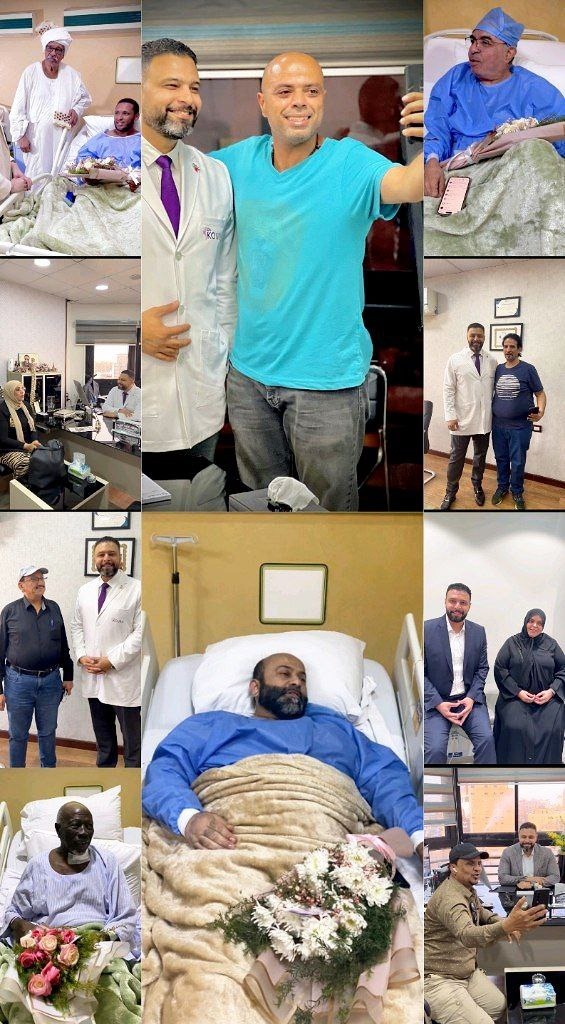
Click herelooking for a non-surgical method to get rid of the pain, the blogger Mr Mahmoud Khattab visits Dr Koura's Clinic

The search for the non- surgical techniques of pain treatment lead the blogger Mahmoud Khattab to visit Dr. Koura's center.
Blogger Mahmoud Khattab visited Dr. Mohamed Koura's center for non-surgical spine and joint treatment in search of newsiest treatment techniques.
During his visit, Mahmoud Khattab praised Dr. Mohamed Koura's medical reputation among many Saudi citizens. Dr. Koura expressed his gratitude and appreciation, along with a special announcement.
Dr. Koura announced a discount for all Saudi Arabian citizens in celebration of Saudi National Day. This announcement serves as a gift to the Saudi community, allowing everyone to access treatment services at reduced prices. The visit also included a discussion about medical conferences that Dr. Koura always participates in. This conversation reflects Dr. Koura's commitment to staying up-to-date with the latest medical techniques and innovations in the field of spine and joint treatment.
Mahmoud Khattab's visit to Dr. Mohamed Koura's center for non-surgical spine and joint treatment was an inspiring experience. It emphasized Dr. Koura's esteemed medical reputation and the trust he holds among Saudi citizens. Additionally, there was an announcement regarding price reductions in celebration of Saudi National Day. Lastly, they discussed Dr. Koura's continuous participation in medical conferences, highlighting his commitment to developing his skills and knowledge in the latest medical technologies.
In conclusion, Mahmoud Khattab underscored the importance of Dr. Mohamed Koura's role in advancing non-surgical spine and joint treatment in the Kingdom of Saudi Arabia. He expressed great appreciation for Dr. Koura's consistent presence at medical conferences and his active participation in them. The article emphasized the significance of seeking modern treatments and innovations that contribute to improving individuals' health and quality of life.
Why choose Dr. Mohamed koura? Simply put, because he is the best. He continuously stays updated with the latest advancements in treatment techniques by actively participating in various international conferences alongside leading foreign doctors and experts. Lastly, Dr. Mohamed Koura is the best doctor in Egypt and the Arab world. He possesses 12 non-surgical techniques for treating spinal and joint problems. He was the first to introduce modern interventional treatment techniques in Egypt and the Middle East and is the sole practitioner using the disc fx technique for spinal pain treatment.
Certainly not, some cases must be treated surgically, and the most appropriate technique for the patient is determined through a medical examination and the presence of imaging studies.
No, it is necessary to make a reservation through a phone call or social media messages.
There are no risks or side effects associated with non-surgical pain interventions.
The patient needs only 3 to 4 days before they can travel comfortably, and the hospital stay does not exceed 6 to 8 hours.
A condition cannot be accurately assessed and a proper medical diagnosis made without a medical examination and recent imaging studies.
Yes, there are several payment methods available through Visa or electronic wallets by making a reservation on our website.
Certainly, obesity is one of the causes of knee osteoarthritis.
Radiofrequency activates the nerve and does not cause any damage to it.
Non-surgical interventions are a definitive treatment for some cases and pain relievers for other cases, which is determined by the doctor through a medical examination.
If the herniated disc is fully treated, there is a possibility of it reoccurring in some cases, such as not following the doctor's prescribed instructions after the intervention, experiencing an accident, or making a sudden wrong movement like lifting heavy objects.
The entire disc is not removed due to the presence of several risks and it may exacerbate the condition. Only the protruding part that causes pain is removed.
This cannot be done with radiofrequency, but it is performed through other techniques that Dr. Koura conducts.
The success or failure of non-surgical interventions cannot be judged through radiographic imaging because these procedures involve making subtle changes to critical parts to address the issue. Consequently, they do not produce significant changes to avoid potential complications in the future or damage to the spine and joints, which is our primary goal.
Spinal stenosis does not typically cause sciatica. In most cases, disc herniation is what may lead to sciatica. This does not necessarily mean that a patient with sciatica will also have spinal stenosis.
Sciatica may return if the patient does not adhere to the medical instructions provided by the doctor or in the event of an unexpected accident.
Lower back pain can result from several causes, including a herniated disc, nerve compression, muscle strain, or chronic spinal injuries. Lifestyle factors such as prolonged sitting, muscle weakness, and excess weight can also exacerbate the problem.
Yes, most cases can be successfully managed with non-surgical treatment for lower back pain. Options such as medication, nerve root injection, disc injection, and radiofrequency therapy are highly effective in relieving pain and improving mobility without the need for surgery.
The best treatment for back pain depends on the cause and severity of the condition. Typically, it starts with medication for back pain, followed by minimally invasive procedures like nerve root injections or radiofrequency therapy to target the source of pain effectively.
Yes, radiofrequency therapy is considered a safe and effective option for chronic lower back pain. It works by interrupting pain signals from the affected nerves and provides long-lasting relief, especially in cases of herniated disc and spinal pain.
The pain can be caused by tension headaches, migraines, sinusitis, or muscle tension in the neck and jaw. Affected nerves, such as the trigeminal nerve, can also play a significant role, along with lifestyle factors like stress, lack of sleep, and poor posture.
Certainly not, some cases must be treated surgically, and the most suitable technique for treating the patient is determined through medical examination in addition to the presence of X-ray images.
Yes, Dr. Mohammed Koura's center relies on non-surgical techniques to relieve pain and improve mobility. These include therapeutic injections for affected nerves and muscles, radiofrequency ablation to reduce pressure on nerves, and physical therapy exercises to stretch and strengthen muscles around the head and neck.
Interventional injections, or therapeutic injections, are a technique in which the doctor injects anti-inflammatory or pain-relieving medication directly into the source of pain, such as irritated nerves or muscle spasms. This helps reduce pain quickly without the need for surgery.
Yes, muscle tension in the neck and jaw can cause pain in the face or head, and it is often associated with stress or poor posture. Treatment usually includes muscle strengthening exercises and relaxation techniques.
Radiofrequency ablation helps reduce pressure on affected nerves, providing fast and effective pain relief. It is often combined with therapeutic injections to achieve better and longer-lasting results.
Migraine is usually throbbing and concentrated on one side of the head, and it may be accompanied by nausea and sensitivity to light. Tension headache, on the other hand, is more constant and causes pressure around the head and neck, often worsening with stress.
In some cases, symptoms may return if strengthening exercises are not continued or stress triggers are not avoided. However, by following the personalized treatment plan provided by Dr. Koura, the chances of pain recurrence can be significantly reduced.
Persistent neck pain, stiffness during movement, headaches at the back of the head, or tingling and numbness in the shoulder or arm are all signs that may indicate the need for a proper medical evaluation.
تصلب الرقبة غالبًا نتيجة شد العضلات أو إجهاد الفقرات العنقية، وقد يزداد مع الجلوس لفترات طويلة أو النوم بوضعية خاطئة. العلاج يشمل تمارين تمدد الرقبة وبرامج تقوية العضلات.
Yes, compression of the cervical spine nerves can lead to pain, tingling, or numbness in the shoulder and arm. This condition can often be relieved through therapeutic injections or radiofrequency ablation, along with physical therapy.
Muscle strain pain is usually localized and worsens with movement or exertion, while a herniated disc may cause persistent pain, along with weakness in the arms. It requires a specialized evaluation to determine the most appropriate treatment.
Yes, interventional injections target the pain area directly and help reduce pressure on nerves and muscles, which decreases pain and improves mobility without surgery.
Treatment at Dr. Mohamed Koura Center includes therapeutic injections to relieve nerve pressure, radiofrequency ablation to reduce inflammation, as well as physical therapy exercises to strengthen neck muscles and improve flexibility.
Radiofrequency ablation helps relieve pressure on nerves and reduces inflammation, which effectively decreases pain. It is often combined with physical therapy programs to achieve the best results.
If the pain is accompanied by numbness or weakness in the hands or shoulder, difficulty moving, loss of muscle control, or sudden severe pain, medical attention should be sought immediately.
Yes, all techniques at the center are performed under specialized medical supervision and are designed to treat the root cause of pain, not just relieve the symptoms. Most patients notice significant improvement within a few weeks, with close follow-up to ensure the best possible results.
Shoulder pain may result from tendon or ligament inflammation, muscle strain, sports injuries, shoulder joint compression or dislocation, or joint conditions such as degenerative arthritis. Weakness in the muscles surrounding the shoulder can also contribute to increased pain.
Yes, Dr. Mohamed Koura Center offers advanced non-surgical treatments, including therapeutic injections to reduce inflammation and pain directly at the joint or tendons, radiofrequency treatment to relieve pressure on the nerves, as well as physical therapy and muscle-strengthening exercises to support the joint and improve mobility.
نعم، ضغط الأعصاب في الرقبة أحيانًا يسبب ألمًا في الكتف والذراع، والعلاج يشمل تقييم العمود الفقري، تمارين الرقبة، والحقن العلاجية إذا لزم الأمر.
Therapeutic injections for immediate pain relief, radiofrequency treatment to reduce pressure on the nerves, and therapeutic exercises to strengthen the muscles are all effective ways to relieve shoulder pain without surgery.
If the pain is accompanied by sudden swelling, weakness in the arm or hand, difficulty lifting the arm, or severe persistent pain, you should see a doctor immediately to avoid further complications.
نعم، الحفاظ على تمارين تقوية الكتف، تصحيح وضعية الجسم، وتجنب الأوزان الثقيلة بطريقة خاطئة يقلل بشكل كبير من عودة الألم ويحافظ على صحة المفصل.
Yes, the center provides patients with a customized exercise program, along with advice on improving posture and avoiding shoulder strain, which helps reduce pain recurrence and maintain joint health.
Yes, the center offers advanced non-surgical treatments such as interventional injections to reduce inflammation, physical therapy, and customized exercise programs to strengthen the knee and improve flexibility.
test Faq Question new g
Knee osteoarthritis is the gradual wear and tear of the joint cartilage, causing the bones to rub against each other. This leads to pain and stiffness when walking or climbing stairs. It is considered one of the most common causes of knee pain, especially with aging or previous injuries.
Interventional injections are administered directly at the source of pain or inflammation, which helps relieve pain quickly, reduce swelling, and improve joint movement without the need for surgery.
Yes, the center follows up with patients through personalized home exercises and instructions, along with advice on improving body posture and strengthening muscles, which helps reduce the recurrence of pain in the long term.
Radiofrequency treatment reduces pressure on the nerves surrounding the joint and relieves pain quickly. It is often combined with therapeutic injections and a physical therapy program to achieve the best results.
Yes, hyaluronic acid injections are often combined with platelet-rich plasma (PRP) injections and therapeutic exercises to achieve better results, along with continuous follow-up to ensure improved mobility and long-term pain reduction.
Hyaluronic acid injections work by lubricating the joint and improving movement by increasing flexibility and reducing friction between the bones of the knee. These injections are especially useful for people with mild to moderate arthritis, and they help reduce pain and improve walking ability and daily activity.
Yes, continuous strain on the knee without strengthening the supporting muscles can lead to tendon inflammation and chronic pain.
Excessive sweating in the hands and feet occurs due to overactivity of the sweat glands or genetic factors, and it may also be related to psychological stress or certain medical conditions.
It is usually not dangerous to health, but it can affect daily comfort and self-confidence.
Treatment includes antiperspirant creams, Botox injections to reduce sweat production, or radiofrequency therapy, which is used to heat the nerves responsible for stimulating the sweat glands, thereby reducing sweating almost permanently.
Cartilage wear due to aging, obesity, previous injuries, or chronic arthritis.
Treatment includes physical therapy, exercises to strengthen the muscles around the joint, hyaluronic acid injections, or platelet-rich plasma (PRP) injections to improve joint movement and reduce pain.
It includes antiviral medications to reduce the severity of the infection, pain relievers, and also radiofrequency therapy, which is considered the best way to relieve the pain of shingles.
In some cases, it may cause persistent pain after the rash disappears (postherpetic neuralgia), which requires additional treatment to relieve the pain.
Yes, treatment includes interventional injections to reduce pain and inflammation, radiofrequency therapy, physical therapy, and muscle-strengthening exercises to support the spine and improve mobility.
If the pain is accompanied by severe swelling, knee weakness, difficulty walking, persistent sharp pain, or inability to bend the knee, you should visit Dr. Mohamed Koura Center immediately for evaluation and an urgent treatment plan.
Pain management is a medical specialty focused on diagnosing and treating chronic and acute pain conditions such as spine pain, herniated discs, headaches, joint pain, and nerve pain using medications, physical therapy, and advanced non-surgical techniques.
Yes, many cases of herniated discs can be treated without surgery through physical therapy, medications, therapeutic injections, and radiofrequency treatment, especially when diagnosed early and treated with the appropriate care plan.
The latest non-surgical pain treatment techniques include radiofrequency therapy, interventional injections, platelet-rich plasma (PRP) injections, specialized physical therapy, and minimally invasive treatments that help reduce inflammation and improve movement without surgery.
Yes, radiofrequency treatment is considered a safe and effective technique for pain relief. It is performed under specialized medical supervision to reduce pain and nerve pressure without surgery, with a relatively quick recovery period.
The treatment duration depends on the cause and severity of the condition, but many patients notice gradual improvement within a few weeks when following the treatment plan, physical therapy, and daily care instructions.
Physical therapy plays an important role in improving movement and strengthening muscles, but in some advanced cases it may not be enough on its own. Additional treatments such as injections or radiofrequency therapy may be needed depending on the doctor’s evaluation.
A herniated disc occurs when the disc presses on the nerves, while spinal osteoarthritis is caused by the gradual wear and tear of the joints and cartilage. Both conditions can cause neck or back pain, but the treatment approach differs depending on the diagnosis.
Yes, many cases of knee osteoarthritis can be treated without surgery using therapeutic injections, physical therapy, muscle-strengthening exercises, and advanced pain management techniques that help reduce inflammation and improve movement.
Arthroscopic neck pain treatment is a modern medical procedure used to treat certain neck and cervical spine conditions through minimally invasive techniques with small incisions, helping reduce pain and improve movement with faster recovery compared to traditional surgery.
Yes, arthroscopic neck pain treatment is considered a safe and advanced procedure when performed under specialized medical supervision. It helps relieve nerve pressure, improve movement, and reduce recovery time and complications.
A patient may need arthroscopic neck treatment when neck pain persists for a long time, or when there is nerve compression, arm numbness, weakness, or no improvement with conservative treatment.
Yes, some cases of cervical disc herniation can be treated arthroscopically. This minimally invasive approach helps relieve nerve pressure and reduce pain without major surgery.
The main benefits of arthroscopic neck treatment include less pain after the procedure, faster recovery, smaller incisions, and shorter hospital stays compared to traditional surgery.
Yes, many types of headaches can be treated without surgery using medications, physical therapy, radiofrequency treatment, and therapeutic injections that help reduce pain and improve quality of life.
You should visit the best doctor for headache treatment if headaches occur frequently, become severe, affect your daily life, or do not improve with regular painkillers.
The latest treatments for chronic headaches include radiofrequency therapy, interventional nerve treatments, physical therapy, and identifying headache triggers to reduce the frequency of attacks and improve the condition significantly.
نعم، قد تسبب مشاكل فقرات الرقبة أو شد العضلات صداعًا مستمرًا، خاصة الصداع الخلفي أو الصداع المرتبط بالتوتر نتيجة الضغط على الأعصاب والعضلات.
You should visit the best doctor for knee osteoarthritis treatment if you experience persistent pain, difficulty moving, joint stiffness, or problems walking and performing daily activities normally.
Yes, many cases of knee osteoarthritis can be treated without surgery using therapeutic injections, physical therapy, radiofrequency treatment, and muscle-strengthening exercises to improve movement and reduce pain.
Knee osteoarthritis occurs due to the gradual wear of cartilage inside the joint with aging, excess weight, repeated injuries, muscle weakness, or continuous pressure on the knee joint.
The latest treatments for knee osteoarthritis include interventional injections, platelet-rich plasma (PRP) injections, radiofrequency therapy, physical therapy, and muscle-strengthening programs that help reduce inflammation and improve joint flexibility.
Neck and shoulder pain may result from muscle strain, poor posture, herniated discs, cervical spondylosis, or nerve and muscle inflammation.
You should see a doctor if the pain is severe or persistent, or if it is associated with numbness, arm weakness, chronic headaches, or difficulty with daily activities.
Yes, many cases can be treated without surgery through medications, radiofrequency treatment, injections, physical therapy, and modern pain management techniques.
Yes, a cervical herniated disc can cause neck and shoulder pain, along with numbness or pain radiating to the arm.
Cervical disc herniation occurs when a disc in the neck presses on nearby nerves, causing neck, shoulder, and arm pain.
Symptoms may include neck pain, numbness in the arm or hand, muscle weakness, headaches, and pain radiating to the shoulder and arm.
Yes, many cases can be treated without surgery through physical therapy, medications, injections, radiofrequency treatment, and modern pain management techniques.
The best sleeping positions are on the back or side while keeping the neck aligned with a supportive pillow.
نعم، وضعيات النوم الخاطئة قد تزيد الضغط على فقرات الرقبة والأعصاب مما يؤدي إلى زيادة الألم والتنميل.
A supportive pillow that keeps the neck and spine properly aligned is recommended to reduce pressure on the cervical vertebrae.
Yes, sleeping on the stomach can strain the neck and worsen cervical disc herniation symptoms.
Healthy sleep helps relax muscles and reduce pressure on the nerves and cervical spine, which can ease pain and improve mobility.
Yes, appropriate exercises can help strengthen neck muscles, improve flexibility, and reduce pressure on the nerves.
The best exercises for a cervical herniated disc typically include gentle neck stretches, strengthening exercises for the neck and shoulders, and posture-correction exercises. These exercises can help reduce pain, improve mobility, and relieve pressure on the affected nerves when performed correctly.
Yes. In many cases, therapeutic exercises are an important part of non-surgical treatment for a cervical herniated disc. They can help reduce symptoms, improve neck function, and strengthen the muscles that support the cervical spine.
The ideal frequency depends on your condition and your healthcare provider’s recommendations. However, most patients benefit from performing prescribed exercises regularly several times per week while avoiding excessive strain.
No. Some exercises or incorrect movements may increase pressure on the cervical spine and worsen symptoms. It is important to follow exercises recommended by a doctor or physical therapist and stop any movement that causes significant pain.
You should stop exercising and seek medical advice if you experience severe pain, increasing numbness, weakness in the arms or hands, dizziness, or any new neurological symptoms during or after exercise.
Common causes of spine pain include herniated discs, spinal arthritis, degenerative disc disease, muscle strain, poor posture, prolonged sitting, and injuries resulting from accidents or repetitive stress.
You should seek medical attention if spine pain is severe, persistent, associated with numbness or weakness in the arms or legs, loss of bladder or bowel control, or occurs after a significant injury.
Yes. Many cases of spine pain can be successfully managed without surgery through physical therapy, targeted exercises, medications, interventional pain management procedures, and lifestyle modifications.
Stretching exercises, core-strengthening exercises, and activities that improve flexibility and posture can help reduce spine pain and support spinal health. However, exercises should be tailored to the underlying cause of the pain.
Maintaining a healthy weight, staying physically active, using proper posture, avoiding prolonged sitting, and practicing safe lifting techniques can help reduce the risk of developing spine pain and spinal disorders.
Common causes of lower back pain include muscle strains, ligament injuries, herniated discs, spinal osteoarthritis, sciatica, poor posture, and prolonged sitting.
You should consult a doctor if the pain is severe, lasts for several weeks, radiates down the legs, causes numbness or weakness, or is associated with bladder or bowel problems.
Yes. Most cases of lower back pain can be treated without surgery through physical therapy, medications, exercise programs, lifestyle modifications, and minimally invasive pain management techniques when necessary.
Stretching and strengthening exercises for the core and back muscles can help support the spine and reduce pain. However, exercises should be selected based on the underlying cause of the condition.
You can reduce the risk of lower back pain by maintaining a healthy weight, staying physically active, practicing good posture, avoiding prolonged sitting, and using proper lifting techniques.
Treatment options depend on the severity of the condition and may include physical therapy, medications, therapeutic exercises, lifestyle modifications, and minimally invasive pain management procedures when needed.
Yes. Most patients with a lower back herniated disc improve with non-surgical treatments such as physical therapy, exercise programs, pain management, and activity modifications.
Surgery may be recommended if symptoms do not improve with conservative treatment, or if there is significant muscle weakness, progressive nerve damage, or loss of bladder or bowel control.
Recovery time varies depending on the severity of the disc herniation and the treatment approach. Many patients experience significant improvement within a few weeks to several months.
Yes. Appropriate exercises can strengthen the core and back muscles, improve flexibility, reduce pressure on spinal nerves, and support long-term recovery when performed correctly.
The best ways to prevent back pain include maintaining good posture, exercising regularly, strengthening the core and back muscles, maintaining a healthy weight, and using proper lifting techniques.
Yes. Prolonged sitting, especially with poor posture, can increase pressure on the spine and surrounding muscles, contributing to back pain over time.
Stretching exercises, core-strengthening workouts, and activities that improve flexibility and posture can help support the spine and reduce the risk of back pain.
Yes. Being overweight can place additional stress on the spine, particularly the lower back, increasing the likelihood of developing back pain and other spinal problems.
You can reduce the risk of back pain at work by maintaining proper posture, using ergonomic furniture, taking regular movement breaks, and avoiding improper lifting or repetitive strain.
A herniated disc occurs when the soft inner portion of a spinal disc pushes through its outer layer, potentially placing pressure on nearby nerves and causing pain, numbness, or weakness.
Common symptoms include lower back pain, sciatica, numbness, tingling sensations, muscle weakness, and pain that may worsen with certain movements, sitting, or prolonged activity.
Common causes include age-related disc degeneration, heavy lifting, obesity, poor posture, repetitive strain on the spine, and injuries resulting from accidents or sudden movements.
Yes. Most cases can be managed without surgery through physical therapy, medications, exercise programs, lifestyle changes, and minimally invasive pain management treatments when appropriate.
Surgery may be recommended if conservative treatments fail to relieve symptoms, or if the patient develops severe muscle weakness, progressive nerve damage, or loss of bladder or bowel control.
You should consider seeing a pain management doctor if your pain persists for weeks or months, affects your daily activities, or does not improve with conventional treatments such as medications or physical therapy.
A pain management doctor treats a wide range of conditions, including herniated discs, lower back pain, neck pain, sciatica, arthritis-related pain, nerve pain, and other chronic pain disorders.
When choosing a pain management specialist, consider their experience, expertise in treating your condition, use of advanced treatment techniques, and ability to provide personalized care plans.
Yes. Many chronic pain conditions can be effectively managed without surgery through medications, physical therapy, minimally invasive procedures, nerve blocks, and radiofrequency ablation techniques.
Modern pain management treatments may include radiofrequency ablation, image-guided spinal injections, minimally invasive pain procedures, and non-surgical treatments for spine and joint conditions, depending on the patient's diagnosis.
Dr. Mohamed Koura’s clinic provides advanced interventional pain management treatments without surgery, including radiofrequency ablation, Disc-FX endoscopic discectomy, catheter-based treatments, nerve root injections, and treatments for herniated discs, joint pain, and spinal conditions.
Yes, in many cases a herniated disc can be treated without surgery using minimally invasive techniques such as Disc-FX endoscopy, radiofrequency therapy, or image-guided injections. The appropriate treatment is determined after proper medical evaluation.
Radiofrequency is a modern pain management technique that uses heat energy to interrupt pain signals coming from the affected nerves, helping to significantly reduce chronic pain without the need for surgery.
Disc-FX is a minimally invasive endoscopic technique used to treat herniated discs without open surgery. It precisely removes the damaged disc tissue causing pain, resulting in faster recovery and fewer complications.
Recovery time is usually much shorter compared to traditional surgery. Most patients can return to their normal daily activities within a short period, depending on the procedure performed.
Yes, nerve root injections are highly effective in reducing pain caused by herniated discs or nerve inflammation. They provide fast and targeted pain relief.
Results vary depending on the patient’s condition and disease severity. In many cases, non-surgical treatments provide long-term relief when combined with proper medical follow-up and lifestyle adjustments.
Shingles is a viral infection caused by the reactivation of the varicella-zoster virus, the same virus that causes chickenpox. It typically appears as a painful rash with fluid-filled blisters on one side of the body or face. Early diagnosis and treatment can help reduce the risk of complications.
The most common shingles symptoms include burning pain, tingling, or numbness before the rash appears. This is followed by a red rash and clusters of fluid-filled blisters. Some people may also experience fever, headache, fatigue, and persistent nerve pain even after the rash has healed.
The primary causes of shingles involve the reactivation of the dormant varicella-zoster virus. This is more likely to occur in older adults, people with weakened immune systems, individuals under significant stress, or those with chronic medical conditions that affect immunity.
Shingles treatment with radiofrequency is a minimally invasive pain management procedure used for patients with persistent nerve pain after shingles, known as postherpetic neuralgia. Radiofrequency therapy targets the affected nerves to interrupt pain signals, providing long-lasting pain relief without surgery.
Shingles treatment with radiofrequency may be recommended when nerve pain continues for weeks or months after the shingles rash has healed and does not respond adequately to medications or other conservative treatments. A pain management specialist will determine whether the procedure is appropriate.
The best treatment depends on the cause of pain and may include physical therapy, interventional injections, and radiofrequency ablation based on the doctor’s diagnosis.
Common causes include muscle strain, herniated discs, spinal degeneration, spinal stenosis, weak muscles, and prolonged sitting.
Back pain is serious when it persists for a long time, is associated with numbness or weakness, or causes loss of bladder or bowel control.
Yes, many cases can be treated without surgery using conservative therapy, injections, or radiofrequency ablation depending on the condition.
Yes, radiofrequency ablation helps reduce pain signals from nerves, providing long-lasting pain relief for many patients.
Neck pain is often caused by poor posture, long hours of sitting, muscle strain, cervical disc problems, spinal degeneration, stress, or improper sleeping positions.
Symptoms include neck pain, muscle stiffness, difficulty moving the head, pain that may radiate to the shoulder or arm, and sometimes numbness or headaches.
Yes, in most cases neck pain can be treated without surgery using physical therapy, medications, interventional injections, or radiofrequency treatment depending on the condition.
The best treatment depends on the underlying cause and usually starts with conservative methods such as physical therapy, with advanced techniques used when needed.
You should consult a doctor if the pain persists, worsens over time, or is accompanied by symptoms such as numbness, weakness, or recurrent headaches.
Knee osteoarthritis is a gradual degeneration of the cartilage that cushions the knee joint, leading to bone friction, pain, stiffness, and reduced mobility.
Common symptoms include knee pain that worsens with movement, joint stiffness (especially in the morning), difficulty bending the knee, and a grinding or clicking sensation in the joint.
Yes, in many cases knee osteoarthritis can be managed without surgery using treatments such as radiofrequency ablation, injections, and physical therapy depending on the patient’s condition.
Radiofrequency treatment is a minimally invasive procedure that targets the nerves responsible for knee pain, helping to reduce chronic pain and improve joint function without surgery.
You should consult a doctor if knee pain persists, mobility becomes difficult, or symptoms start affecting your daily activities to prevent the condition from worsening.
Knee pain can be caused by osteoarthritis, ligament or cartilage injuries, excess weight, and repetitive strain, all of which may lead to joint deterioration over time.
Knee pain becomes serious if it persists for a long time without improvement, is accompanied by noticeable swelling, or causes severe difficulty in movement or weight bearing.
Yes, many cases of knee pain can be treated without surgery using modern techniques such as radiofrequency, injection therapy, and physical therapy depending on the patient’s condition.
It is a modern medical procedure that targets the nerves responsible for transmitting pain signals in the knee, helping reduce pain and improve mobility without surgery.
You should consult a doctor if pain persists, swelling appears, or there is difficulty walking or bending the knee to properly diagnose and treat the condition.
A meniscus tear is an injury to the cartilage in the knee that acts as a shock absorber between the thigh bone and shin bone. It often causes pain, swelling, and difficulty moving the knee, especially during walking, bending, or climbing stairs.
In some mild to moderate cases, symptoms of a meniscus tear can improve without surgery through physical therapy, rest, and regenerative treatments such as PRP injections. However, severe tears may require medical intervention.
Non-surgical treatment options include physical therapy to strengthen the muscles around the knee, PRP (platelet-rich plasma) injections, anti-inflammatory care, and radiofrequency treatment to reduce pain and improve joint function.
Surgery may be required in severe cases, such as large tears, persistent symptoms despite conservative treatment, or repeated knee locking that affects daily movement.
The most common knee problems include knee osteoarthritis, meniscus tears, knee joint inflammation, ligament injuries, and general knee pain caused by overuse or excess weight.
Yes, in many cases knee problems can be treated without surgery using physical therapy, lifestyle changes, and medical injections such as hyaluronic acid and PRP, as well as radiofrequency treatment for pain relief.
Warning signs include persistent knee pain, repeated swelling, difficulty walking, stiffness in the joint, and instability in the knee. In such cases, medical consultation is recommended.
The best treatment depends on the condition, but usually includes weight management, physical therapy, medications, and injections. Advanced cases may require radiofrequency treatment or surgery.
Hyaluronic acid injections for knee osteoarthritis help relieve pain and improve joint mobility, but they do not permanently cure osteoarthritis. Instead, they reduce symptoms, improve function, and may help delay the need for surgical intervention.
Most patients begin to notice improvement within a few days to several weeks after the injection. In many cases, the benefits can last from 6 months to 1 year.
The duration of improvement varies from one patient to another, but the average benefit typically lasts between 6 and 12 months.
Hyaluronic acid injections are generally considered a safe treatment when performed by a qualified specialist. Side effects are usually mild and temporary, such as slight swelling, redness, or discomfort at the injection site.
Yes, many cases of knee pain can be treated without surgery, especially when the cause is knee osteoarthritis in its early or moderate stages, joint inflammation, or repetitive stress injuries. The most suitable treatment depends on the underlying cause and the severity of the condition.
Common non-surgical knee pain treatment options include radiofrequency ablation, therapeutic injections, physical therapy, and lifestyle modifications. A specialist will recommend the most appropriate treatment based on the patient's condition and treatment goals.
Radiofrequency ablation is a modern pain management technique that targets the nerves responsible for transmitting pain signals from the knee joint. It can help reduce chronic knee pain, improve mobility, and decrease reliance on pain medications for many patients.
You should consult a doctor if knee pain persists for an extended period, worsens over time, is accompanied by swelling or stiffness, or begins to affect your ability to walk, exercise, or perform daily activities.
The answer depends on the underlying cause. In some cases, such as temporary inflammation or minor injuries, knee pain may resolve completely with proper treatment. In conditions like knee osteoarthritis or cartilage degeneration, treatment focuses on pain relief, improving mobility, and slowing disease progression.
A Pain Treatment Center Without Surgery is a specialized medical center that focuses on diagnosing and treating acute and chronic pain using advanced techniques that help reduce pain and improve mobility without the need for surgery in many cases.
A Pain Treatment Center Without Surgery can help manage a variety of conditions, including herniated discs, sciatica, neck pain, back pain, knee osteoarthritis, joint disorders, and chronic nerve pain through personalized treatment plans tailored to each patient’s condition.
Modern pain management centers use advanced treatments such as radiofrequency ablation, interventional pain injections, and rehabilitation therapies to target the source of pain and improve patients’ quality of life.
Yes. Radiofrequency ablation is one of the most effective non-surgical pain management techniques. It works by targeting the nerves responsible for transmitting pain signals, helping reduce pain and improve mobility without surgery.
You should consider visiting a Pain Treatment Center Without Surgery if your pain persists for an extended period, affects your daily activities or mobility, or does not improve with medications and conventional treatments. Early diagnosis often leads to better treatment outcomes.
A cluster headache is one of the primary headache disorders and is known for causing repeated attacks of severe pain, usually on one side of the head, especially around or behind the eye. It may also be accompanied by eye redness, excessive tearing, and nasal congestion or a runny nose. An accurate diagnosis is essential to determine the most appropriate treatment.
You should see the best doctor for cluster headache treatment if your headache attacks occur frequently, are severe enough to affect your sleep or daily activities, or do not improve with conventional pain medications. Early diagnosis can help identify the cause and provide the most effective treatment plan.
The best cluster headache treatment depends on the severity of the condition and the patient's symptoms. Treatment may include medications to stop or prevent attacks, as well as advanced interventional pain management techniques such as radiofrequency treatment for cluster headaches when recommended by a specialist.
Radiofrequency treatment for cluster headaches may be recommended for selected patients who do not respond well to medication. The procedure targets the nerves responsible for transmitting pain signals, helping reduce the intensity and frequency of headache attacks without the need for surgery.
Yes, Botox injections for headaches may be recommended for certain patients with chronic headache conditions after a thorough medical evaluation. Botox works by reducing the activity of specific muscles and nerve endings associated with pain, helping decrease the frequency of headache attacks in suitable cases.
Yes. Most cases of neck and shoulder pain can be managed without surgery through medications, physical therapy, rehabilitation exercises, and advanced pain management techniques such as radiofrequency ablation (RFA), depending on the cause and your doctor's evaluation.
You can reduce the risk of neck and shoulder pain by maintaining proper posture, taking regular breaks during work, performing stretching and strengthening exercises, using a supportive pillow while sleeping, and avoiding lifting heavy objects incorrectly. These habits help protect the cervical spine and reduce the likelihood of recurring pain.
The best treatment for cervical spine pain depends on the underlying cause and the severity of the condition. Some patients improve with physical therapy and medications, while others may benefit from advanced pain management techniques such as image-guided injections or radiofrequency ablation. A thorough medical evaluation is essential to determine the most appropriate treatment plan.
Yes. In many cases, cervical disc herniation can be treated without surgery through conservative treatments such as physical therapy, medications, and minimally invasive pain management procedures like spinal injections and radiofrequency treatment. The appropriate option depends on the patient's condition and symptoms.
Cervical spine pain can result from several conditions, including cervical disc herniation, cervical spondylosis, muscle strain, poor posture, prolonged computer or mobile phone use, or nerve compression. A proper diagnosis helps identify the exact cause and guide the right treatment.
You should consult a doctor if your neck pain persists for several days, worsens over time, is accompanied by numbness or weakness in the arms or hands, limits neck movement, or does not improve with rest and over-the-counter pain medications.
Radiofrequency treatment is a minimally invasive pain management technique that may help relieve chronic cervical spine pain by targeting the nerves responsible for transmitting pain signals. It can provide long-lasting pain relief for selected patients after a comprehensive medical evaluation.
You can help prevent cervical spine pain by maintaining proper posture, limiting prolonged use of mobile devices and computers, taking regular breaks during work, performing neck-strengthening and stretching exercises, using a supportive pillow while sleeping, and seeking medical advice if symptoms persist.
The most common types of headaches include tension headaches, migraines, cluster headaches, sinus headaches, and cervicogenic headaches. Each type has different causes, symptoms, and treatment options, making an accurate medical diagnosis essential.
You should seek medical attention if your headache is sudden and severe, occurs frequently, interferes with your daily life, or is accompanied by symptoms such as weakness, vision changes, loss of consciousness, fever, or persistent pain that does not improve.
The best headache treatment depends on the underlying cause. Treatment may include lifestyle modifications, adequate hydration, sufficient sleep, medications, physical therapy, or advanced pain management procedures for chronic headaches.
Yes. Conditions such as cervical disc herniation, cervical spondylosis, or muscle tension in the neck can lead to cervicogenic headaches, where the pain typically starts in the neck and radiates to the back or front of the head.
Yes. Many cases of chronic headaches can be managed without surgery, depending on the underlying cause. Treatment options may include medications, physical therapy, lifestyle changes, and minimally invasive pain management techniques such as radiofrequency ablation or image-guided injections.
A tension headache is the most common type of headache and usually causes a dull, pressing pain on both sides of the head or in the neck. A migraine typically affects one side of the head and is often accompanied by nausea and sensitivity to light or sound.
Common causes include stress, poor posture, lack of sleep, muscle tension in the neck and shoulders, excessive caffeine intake or withdrawal, and illnesses such as colds or sinus infections.
Yes. If tension headaches occur more than 15 days a month or are left untreated, they can develop into chronic tension headaches that significantly affect daily activities and quality of life.
Treatment depends on the underlying cause and may include pain relievers, physical therapy, neck exercises, lifestyle modifications, and advanced pain management options such as Botox injections or minimally invasive interventional procedures for chronic cases.
You can help prevent tension headaches by managing stress, maintaining good posture, getting enough sleep, exercising regularly, staying hydrated, eating balanced meals, and avoiding excessive use of pain medications and caffeine.
The cost of herniated disc surgery varies depending on the severity of the condition, the type of procedure, the surgeon's experience, the medical facility, and the technology used, such as endoscopic surgery, laser treatment, or conventional surgery.
Yes. Many patients can be treated without surgery using medications, physical therapy, radiofrequency ablation, nerve root injections, and lifestyle modifications, depending on the severity of the condition.
Surgery may be recommended when conservative treatments fail to relieve symptoms or when the patient develops significant muscle weakness, severe numbness, loss of sensation, or nerve compression affecting daily activities.
Treatment costs are influenced by the type of procedure, medical technology, the patient's condition, hospital stay, diagnostic tests, and the expertise of the treating physician and medical center.
Not necessarily. The cost depends on the surgical technique and the complexity of the case. However, endoscopic surgery often offers benefits such as smaller incisions, faster recovery, and a shorter hospital stay compared to open surgery.
Recovery time varies depending on the type of surgery and the patient's overall health. Most patients can gradually return to their normal daily activities within two to four weeks while following their physician's recommendations and physical therapy program.
Patients should get adequate rest, follow their prescribed medications, begin physical therapy as recommended, avoid heavy lifting, limit prolonged sitting, and gradually increase activity according to their doctor's instructions.
The timeline depends on the surgical procedure and individual recovery. In general, strenuous exercise should be avoided during the first few weeks, while light exercises and rehabilitation can begin under medical supervision.
Yes. Physical therapy is an essential part of recovery because it strengthens the muscles supporting the spine, improves flexibility, reduces pain, and helps lower the risk of future disc problems.
You should seek medical attention if you experience worsening pain, fever, drainage from the surgical site, significant leg weakness, or loss of bladder or bowel control, as these symptoms may indicate complications requiring prompt evaluation.
Yes. Many cases of herniated discs can be treated without surgery, especially when there is no severe nerve compression or significant muscle weakness. Treatment options may include radiofrequency ablation, nerve root injections, physical therapy, medications, and lifestyle modifications based on the patient's condition.
The best treatment center should have experienced spine and pain management specialists, advanced diagnostic tools, and modern non-surgical techniques such as radiofrequency ablation and minimally invasive procedures. A personalized treatment plan is also essential for achieving the best outcomes.
The success rate depends on the severity of the herniated disc, the patient's overall health, and adherence to the treatment plan. Many patients experience significant pain relief and improved mobility with modern non-surgical treatments.
Your doctor will determine the most appropriate treatment after a physical examination and imaging studies. Most patients begin with conservative or minimally invasive treatments, while surgery is usually recommended only when symptoms persist or severe nerve damage develops.
The best treatment depends on the severity of the condition. Common non-surgical options include radiofrequency ablation, nerve root injections, physical therapy, pain management techniques, and rehabilitation exercises to reduce pain and improve spinal function.
Yes. Injection therapy is an effective non-surgical treatment for many patients with a herniated disc. It helps reduce inflammation around the affected nerves, relieves pain, and improves mobility without the need for surgery in suitable cases.
Injection therapy is usually recommended when medications and physical therapy fail to provide adequate pain relief and the patient has persistent symptoms without severe muscle weakness or other conditions requiring surgery.
The duration of pain relief varies from patient to patient. Many people experience improvement for several months, while others may benefit for one to three years, depending on the severity of the condition and adherence to the treatment plan.
In many cases, yes. Injection therapy can effectively relieve pain and improve function, helping patients avoid surgery. However, surgery may still be necessary for advanced cases involving significant nerve compression or neurological deficits.
After the injection, patients should rest for the first 24–48 hours, avoid heavy lifting and strenuous activities, follow their doctor's instructions, and gradually begin rehabilitation exercises or physical therapy if recommended.
The best herniated disc specialist should have extensive experience in spine care, use advanced minimally invasive techniques such as radiofrequency ablation and endoscopic procedures, and provide personalized treatment plans based on each patient's condition.
Yes. Many herniated disc cases can be successfully managed without surgery using conservative and minimally invasive treatments, including radiofrequency ablation, nerve root injections, physical therapy, and endoscopic procedures when appropriate.
You should consult a spine specialist if you have persistent back or neck pain, numbness, tingling, muscle weakness, or pain that radiates to your arms or legs, especially if symptoms interfere with your daily activities.
The most suitable treatment depends on the severity of the condition and may include medications, physical therapy, radiofrequency ablation, nerve root injections, or minimally invasive spine procedures after a thorough evaluation.
Radiofrequency ablation can help relieve pain caused by irritated spinal nerves in selected patients with herniated discs. It is a minimally invasive procedure that may reduce pain and improve daily function without open surgery.
Endoscopic spine treatment uses a small incision and specialized instruments to treat the affected area with minimal tissue damage, resulting in less pain, faster recovery, and a shorter rehabilitation period compared with traditional open spine surgery.
The most common causes of spine pain include herniated discs, muscle strain, poor posture, arthritis, osteoporosis, and prolonged sitting. In some cases, pain may also be related to kidney problems or pregnancy.
You should consult a doctor if your pain lasts for several days without improvement, becomes severe, radiates to your arms or legs, is associated with numbness or weakness, or occurs after an injury.
Treatment depends on the underlying cause and may include physical therapy, medications, spinal injections, radiofrequency ablation, or minimally invasive endoscopic procedures after a thorough evaluation.
Many cases of spine pain can be effectively treated or significantly improved with early diagnosis, appropriate treatment, rehabilitation, and healthy lifestyle changes, depending on the underlying cause.
Maintaining a healthy weight, exercising regularly, using proper lifting techniques, improving posture, and avoiding prolonged sitting can help reduce the risk of developing spine pain.
Yes. Radiofrequency ablation is a minimally invasive treatment that can relieve chronic spine pain caused by irritated spinal nerves. It may improve mobility and reduce pain without the need for open surgery in appropriate patients.
Common symptoms include persistent neck pain, stiffness, reduced range of motion, headaches, dizziness, pain radiating to the shoulders or arms, and numbness or tingling if the cervical nerves are affected.
Yes. Most cases of cervical spondylosis can be managed without surgery using medications, physical therapy, radiofrequency ablation, therapeutic injections, and lifestyle modifications, depending on the severity of the condition.
Cervical spondylosis is commonly caused by age-related wear and tear, poor posture, prolonged desk work, previous neck injuries, arthritis, and genetic factors that accelerate degeneration of the cervical spine.
Radiofrequency treatment is a minimally invasive procedure that uses controlled heat to reduce pain signals from affected cervical nerves, helping relieve chronic neck pain without the need for open surgery.
Patients with chronic neck pain, cervical spondylosis, or a cervical herniated disc who have not responded to medications or physical therapy may be suitable candidates after a thorough medical evaluation.
The procedure typically takes 20 to 30 minutes and is performed under local anesthesia. Most patients can return home the same day and gradually resume normal activities.
In many cases, radiofrequency treatment can effectively relieve pain and delay or eliminate the need for surgery. However, patients with severe spinal cord compression or significant neurological deficits may still require surgical treatment.
Pain relief usually develops gradually. Most patients begin to notice improvement within one to two weeks, although recovery time varies depending on the severity of the condition.
Yes. Radiofrequency treatment is considered a safe and minimally invasive procedure when performed by an experienced pain management specialist. It offers a shorter recovery period and fewer risks than traditional surgery.
The best non-surgical treatment for osteoarthritis depends on the severity of the condition. Treatment options may include physical therapy, anti-inflammatory medications, PRP injections, hyaluronic acid injections, and radiofrequency therapy to relieve pain and improve joint function without surgery.
Yes. Many patients with mild to moderate knee osteoarthritis can manage their symptoms without surgery through lifestyle changes, physical therapy, injection therapy, and advanced pain management techniques such as radiofrequency ablation. Surgery is usually reserved for advanced cases.
Common symptoms include joint pain during movement, stiffness (especially in the morning), swelling, reduced range of motion, grinding or clicking sounds in the joint, and difficulty performing daily activities.
Yes. Radiofrequency treatment is an advanced minimally invasive procedure that helps reduce pain by interrupting pain signals from the affected nerves. It can improve mobility and quality of life without the need for major surgery.
Osteoarthritis can develop due to aging, excess body weight, previous joint injuries, repetitive joint stress, genetic factors, and certain medical conditions that damage cartilage over time.
Joint replacement surgery may be recommended when severe joint damage causes persistent pain, significant loss of function, and non-surgical treatments no longer provide adequate relief.
Early knee osteoarthritis often causes mild knee pain, stiffness after resting, slight swelling, and discomfort during walking, climbing stairs, or bending the knee.
Yes. Early-stage knee osteoarthritis can often be managed with physical therapy, weight management, medications, hyaluronic acid injections and other minimally invasive treatments without surgery.
The best injection depends on the severity of the condition. Hyaluronic acid injections help lubricate the joint, injections help reduce inflammation and improve joint function.
Common causes include aging, obesity, previous knee injuries, repetitive stress on the joint, genetics, and inflammatory joint diseases.
Radiofrequency therapy is an effective minimally invasive treatment that reduces chronic knee pain by targeting the nerves responsible for transmitting pain signals, helping improve mobility without surgery.
The best treatment depends on the underlying condition. Common non-surgical options include radiofrequency ablation, nerve root injections, physical therapy, minimally invasive endoscopic procedures, and catheter-based pain management techniques.
Yes. Many spinal conditions, including herniated discs, spinal stenosis, chronic back pain, and degenerative spine disorders, can often be managed successfully without surgery using minimally invasive pain management techniques.
Yes. Radiofrequency treatment is an effective minimally invasive procedure that reduces chronic spinal pain by interrupting pain signals from the affected nerves, helping improve mobility and quality of life.
Many patients with a herniated disc improve without surgery through conservative treatments such as physical therapy, medications, epidural or nerve root injections, and minimally invasive pain management procedures.
Maintaining a healthy weight, exercising regularly, practicing proper posture, lifting objects correctly, and strengthening your core and back muscles are among the best ways to protect your spine and reduce the risk of chronic back pain.
The most common symptoms of trigeminal neuralgia include sudden, severe facial pain that feels like an electric shock. The pain usually affects one side of the face and may spread to the jaw, cheek, forehead, or around the eye. Everyday activities such as talking, chewing, brushing your teeth, or even touching your face can trigger painful episodes.
Trigeminal neuralgia may occur without a clear cause (primary trigeminal neuralgia) or result from pressure on the trigeminal nerve by a blood vessel, tumors, or neurological conditions such as multiple sclerosis. A thorough medical evaluation is essential to determine the underlying cause.
Yes. Many patients can benefit from non-surgical trigeminal neuralgia treatment, especially when medications are no longer effective or cause unwanted side effects. Advanced pain management techniques, such as radiofrequency ablation (RFA), offer a safe and minimally invasive treatment option.
Radiofrequency treatment for trigeminal neuralgia involves inserting a thin needle under imaging guidance to reach the affected trigeminal nerve. Controlled radiofrequency energy is then applied to reduce pain signals while preserving surrounding tissues. The procedure is performed under local anesthesia and typically takes 20–30 minutes.
Radiofrequency ablation is a minimally invasive procedure that requires no surgical incision, offers a shorter recovery time, and allows most patients to return home on the same day. It provides long-lasting pain relief for many people suffering from chronic trigeminal neuralgia.
You should consult a pain management specialist if you experience recurrent or severe facial pain, especially if it interferes with eating, speaking, or your daily activities. Early diagnosis and treatment can help prevent worsening symptoms and improve your quality of life.
Spinal disc inflammation is a condition that affects the cartilage (intervertebral discs) between the vertebrae, causing pain, stiffness, and reduced spinal flexibility. If left untreated, it may progress to disc degeneration or a herniated disc.
Common symptoms include persistent lower back pain, pain while sitting, tailbone pain, stiffness, reduced range of motion, and difficulty bending or standing for long periods. Some patients may also experience pain radiating into the legs if nearby nerves are affected.
Yes. Many cases of spinal disc inflammation can be treated successfully without surgery through conservative care and advanced interventional pain management techniques such as radiofrequency ablation (RFA), nerve root injections, and epidural catheter procedures, depending on the severity of the condition.
Radiofrequency treatment works by delivering controlled heat to the nerves responsible for transmitting pain signals from the affected spinal discs. This minimally invasive procedure helps relieve pain, improve mobility, and reduce the need for surgery.
The best treatment depends on the severity of the condition. Mild cases often respond to conservative treatment, while more advanced cases may require minimally invasive procedures such as radiofrequency ablation, nerve root injections, epiduroscopy, or other interventional pain management techniques. Surgery is generally considered only when non-surgical treatments fail.
Spinal canal stenosis is the narrowing of the spinal canal, which puts pressure on the spinal cord or nearby nerves. This condition can cause lower back pain, numbness, weakness, and difficulty walking or standing for long periods.
Common symptoms include lower back pain that radiates to the buttocks or legs, numbness or tingling in the legs or feet, muscle weakness, pain that worsens with walking or standing, and relief when sitting or leaning forward.
Yes. Many patients can benefit from non-surgical spinal canal stenosis treatment using minimally invasive interventional pain management techniques that relieve pressure on the nerves without the need for open surgery.
Non-surgical treatment involves inserting specialized instruments through a small skin incision under imaging guidance to widen the narrowed spinal canal and reduce pressure on the affected nerves. Most patients can return home the same day and resume normal activities shortly afterward.
Spinal canal stenosis may result from age-related degeneration, herniated discs, spinal arthritis, slipped vertebrae, thickened ligaments, or inherited anatomical changes that narrow the spinal canal and compress the nerves.
Common symptoms of shoulder osteoarthritis include pain that worsens with movement or at night, stiffness in the joint, difficulty lifting the arm, and reduced range of motion. In advanced cases, the pain may radiate to the upper arm or elbow and significantly affect daily activities.
Shoulder osteoarthritis may develop due to aging, previous injuries such as shoulder dislocation or fractures, or rotator cuff tears. Genetic factors and long-term wear and tear of the joint cartilage can also increase the risk of developing the condition.
Yes, in many cases shoulder osteoarthritis can be managed without surgery using conservative treatments such as physical therapy, anti-inflammatory medications, and interventional pain management techniques like radiofrequency ablation, which help reduce pain and improve joint function.
Radiofrequency treatment for shoulder osteoarthritis works by delivering controlled heat to the nerves around the shoulder joint, reducing pain signals sent to the brain. This minimally invasive procedure helps relieve pain and improve mobility without the need for open surgery.
The best treatment for shoulder osteoarthritis depends on the severity of the condition. Mild cases can often be managed with medications and physical therapy, while more advanced cases may require interventional pain management techniques such as radiofrequency treatment. Surgery is usually considered only when non-surgical options fail to provide relief.
Hip joint osteoarthritis is a condition caused by the gradual wear and tear of the cartilage that cushions the hip joint. This leads to bone-on-bone friction, causing pain, stiffness, and difficulty in walking and performing daily activities.
Common causes include aging, obesity, genetic factors, autoimmune diseases, repeated stress on the joint, and previous injuries. These factors contribute to the gradual breakdown of the hip cartilage over time.
Symptoms include pain in the hip that may radiate to the thigh or knee, stiffness especially after rest or sitting, reduced mobility, and a grinding or clicking sound caused by bone friction in the joint.
Yes, many cases of hip osteoarthritis can be treated without surgery using physical therapy, medications, and minimally invasive procedures such as platelet-rich plasma (PRP) injections, hyaluronic acid injections, and interventional pain management techniques like radiofrequency treatment.
Modern non-surgical treatments include radiofrequency ablation to reduce pain signals, PRP injections to promote tissue healing, and hyaluronic acid injections to improve joint lubrication and reduce friction, all aimed at improving mobility and quality of life.
You should consult a doctor if you experience persistent or worsening hip pain, difficulty walking, or stiffness that affects your daily activities. Early diagnosis helps determine the best non-surgical hip osteoarthritis treatment and prevents further joint damage.
Knee osteoarthritis is a condition that occurs due to the gradual wear and tear of the cartilage that cushions the knee joint. This leads to bone friction, causing pain, stiffness, and reduced mobility, and the condition may worsen over time if not properly treated.
Common symptoms include knee pain during movement or bending, stiffness after rest, swelling in the joint, and a cracking or grinding sound during motion. Pain often increases with physical activity such as walking, climbing stairs, or exercise.
Knee osteoarthritis can be caused by aging, excess weight, sports injuries, weak ligaments, rheumatoid diseases, and continuous stress on the knee joint, all of which contribute to the gradual breakdown of cartilage.
Yes, in many cases knee osteoarthritis can be treated without surgery using medications, physical therapy, and injection therapies such as hyaluronic acid or PRP, as well as interventional pain management techniques like radiofrequency treatment.
The most common and effective injections include hyaluronic acid, corticosteroid injections, and platelet-rich plasma (PRP). These help reduce pain and inflammation, improve joint mobility, and delay or avoid the need for surgery.
You should consult a doctor if knee pain persists for a long time, worsens with movement, or is accompanied by swelling, stiffness, or difficulty walking. Early diagnosis helps determine the best non-surgical knee osteoarthritis treatment and prevents further joint damage.
Cluster headache is a rare but extremely severe type of headache that causes intense, sharp pain on one side of the head, usually around the eye. It occurs in repeated cycles called “clusters,” which can last for weeks or months followed by periods of remission.
Symptoms include severe pain around or behind one eye, redness of the eye, excessive tearing, nasal congestion or runny nose, and eyelid swelling. During an attack, patients often feel restless and unable to lie down due to the intensity of the pain.
The exact cause is not fully understood, but it is believed to be linked to abnormalities in the hypothalamus. Other contributing factors may include genetic predisposition and triggers such as alcohol consumption, smoking, and disrupted sleep patterns.
Cluster headache is not life-threatening and does not cause permanent brain damage. However, it is considered one of the most painful types of headache and can significantly affect quality of life due to its severity and recurring attacks.
Cluster headaches cause sudden, severe, one-sided pain around the eye with nasal and eye symptoms and short but frequent attacks. Migraine, on the other hand, is usually a throbbing pain that lasts longer and is often accompanied by nausea and sensitivity to light and sound.
Yes, cluster headaches can be managed without surgery using medications and preventive therapies. In some cases, interventional pain management techniques such as radiofrequency treatment may be used to reduce nerve activity and decrease the frequency and severity of attacks.
A cervicogenic headache is a type of secondary headache caused by problems in the cervical spine (neck vertebrae), muscles, or nerves. It usually starts at the back of the head or neck and then spreads to other areas of the head.
You can suspect a neck-related headache if the pain starts from the back of the head, is accompanied by neck or shoulder stiffness, and worsens with neck movement or prolonged poor posture, such as using a phone or computer. It may also radiate to the eye or cause mild dizziness.
Common causes include muscle strain from poor posture, cervical disc herniation, cervical spondylosis (wear and tear of the neck joints), neck injuries or whiplash, and stress or anxiety that leads to muscle tension in the neck and shoulders.
Yes, neck problems can cause both headache and dizziness. Muscle tension or nerve compression in the cervical spine may affect blood flow and nerve signals to the head, leading to pain in the back of the head and a feeling of imbalance or dizziness.
Treatment depends on the underlying cause and may include rest, posture correction, physical therapy, pain medications, and lifestyle changes. In more advanced cases, interventional treatments such as nerve blocks or radiofrequency therapy may be used to relieve pain.
You should consult a doctor if the headache is persistent, recurrent, severe, or accompanied by symptoms such as numbness, arm weakness, dizziness, or if it affects your daily life. Early diagnosis helps ensure proper treatment and prevents worsening of the condition.
A lumbar herniated disc, also known as a lower back disc, occurs when the soft inner part of a spinal disc pushes through its outer layer and compresses nearby nerves. This can cause lower back pain that may radiate into the buttocks and legs.
Common symptoms include lower back pain, sciatica, numbness or tingling in the legs or feet, muscle weakness, difficulty walking, and pain that worsens with movement or prolonged sitting.
Yes. A lumbar herniated disc is one of the most common causes of sciatica. When the herniated disc compresses the sciatic nerve, it can cause pain that radiates from the lower back through the buttock and down the leg.
Yes, many cases can be treated successfully without surgery using medications, physical therapy, and minimally invasive interventional pain management techniques such as radiofrequency ablation, epidural catheter procedures, or laser disc decompression, depending on the severity of the condition.
Surgery may be recommended if symptoms do not improve with conservative treatment, or if the patient develops severe muscle weakness, persistent numbness, or loss of bladder or bowel control, which require urgent medical evaluation.
You can reduce your risk by maintaining a healthy weight, strengthening your back and core muscles, using proper lifting techniques, maintaining good posture while sitting and standing, and exercising regularly to support spinal health.
Trigeminal neuralgia is a chronic nerve disorder that affects the trigeminal nerve, which is responsible for facial sensation. It causes sudden, severe facial pain that feels like electric shocks, usually affecting one side of the face.
Common symptoms include sudden, intense facial pain lasting from a few seconds to several minutes. The pain may be triggered by everyday activities such as chewing, talking, brushing your teeth, or even lightly touching the face.
The most common cause is a blood vessel pressing against the trigeminal nerve. Other possible causes include multiple sclerosis, brain tumors, facial injuries, or previous surgeries. In some cases, no clear cause can be identified.
Yes. Many patients can be successfully treated without surgery using medications or minimally invasive interventional pain management techniques. Radiofrequency ablation is one of the most effective non-surgical treatments, especially for patients who do not respond well to medication.
Radiofrequency treatment involves inserting a thin needle under image guidance to reach the trigeminal nerve. Controlled radiofrequency energy is then applied to interrupt the pain signals without permanently damaging the nerve. The procedure is safe, minimally invasive, and usually provides long-lasting pain relief.
The best non-surgical alternatives to knee replacement surgery include hyaluronic acid injections, stem cell therapy, radiofrequency ablation, and physical therapy. The most suitable treatment depends on the severity of knee osteoarthritis and the patient's overall condition.
Yes. Many cases of knee osteoarthritis can be treated without surgery using minimally invasive treatments such as therapeutic knee injections, radiofrequency therapy, physical therapy, weight management, and lifestyle modifications to reduce pain and improve joint function.
Hyaluronic acid injections are among the most effective treatments for knee osteoarthritis, as they improve joint lubrication, reduce friction, and relieve pain. Stem cell therapy may also be recommended in selected cases to promote tissue regeneration and reduce inflammation.
Radiofrequency treatment uses a thin needle guided by ultrasound or fluoroscopy to target the nerves responsible for transmitting pain signals from the knee. This minimally invasive procedure provides long-lasting pain relief without the need for surgery.
Knee replacement surgery may be recommended when knee osteoarthritis becomes severe, pain significantly affects daily activities, and conservative or non-surgical treatments no longer provide adequate relief.
Yes. Physical therapy can strengthen the muscles surrounding the knee, improve joint flexibility and stability, reduce pain, and, in many cases, delay or even avoid the need for knee replacement surgery, especially in the early and moderate stages of knee osteoarthritis.
A chronic headache is a condition in which headaches occur on 15 or more days per month for at least three months. It may include chronic migraine, tension-type headache, or cluster headache, and can significantly affect daily activities and quality of life.
Radiofrequency treatment uses controlled heat energy to target the nerves responsible for transmitting pain signals. By reducing nerve activity, it helps decrease the frequency and severity of chronic headache attacks without the need for surgery.
Radiofrequency therapy may be used to treat several types of headaches, including chronic migraine, cluster headaches, cervicogenic (neck-related) headaches, and selected cases of chronic headaches that do not respond to conventional medical treatment.
Yes. Radiofrequency treatment is considered a safe and minimally invasive procedure when performed by an experienced interventional pain specialist. It is typically carried out under local anesthesia with imaging guidance and does not require surgical incisions or a lengthy recovery period.
In many cases, yes. Radiofrequency treatment targets the source of the pain rather than simply relieving symptoms, helping many patients reduce their dependence on pain medications and improve their long-term quality of life.
Radiofrequency treatment is generally recommended for patients with chronic headaches, chronic migraine, cluster headaches, or cervicogenic headaches who have not achieved adequate relief with medications or other conservative treatments. A specialist evaluation is necessary to determine whether this treatment is appropriate for each patient.
A herniated disc occurs when the soft inner part of a spinal disc pushes through its outer layer, placing pressure on nearby nerves. This can cause pain, numbness, tingling, or muscle weakness in the back, neck, arms, or legs, depending on the location of the affected disc.
Common symptoms of a herniated disc include back or neck pain, pain that radiates to the arms or legs, numbness, tingling, muscle weakness, and discomfort that may worsen with movement, prolonged sitting, coughing, or sneezing.
Yes. Many cases of a herniated disc can be treated without surgery using advanced non-surgical techniques such as radiofrequency treatment, nerve root injections, physical therapy, and medication. The most appropriate treatment depends on the severity and location of the condition.
Surgery may be recommended if symptoms do not improve with conservative treatment, or if the patient develops severe muscle weakness, loss of sensation, or significant nerve compression that affects daily function.
Walking can be beneficial for many people with a herniated disc because it helps improve circulation and strengthens the muscles supporting the spine. However, it should be done according to your doctor's recommendations and stopped if it significantly increases pain.
Yes, a herniated disc can heal completely in many cases, especially with early diagnosis and the right treatment plan. Recovery depends on the severity of the condition, the degree of nerve compression, and the patient's commitment to the recommended treatment.
Yes. Many cases of a herniated disc can be successfully treated without surgery using advanced techniques such as radiofrequency treatment, the Disc-FX procedure, nerve root injections, and physical therapy. The most appropriate treatment depends on the patient's condition.
Recovery time varies from one patient to another based on the severity of the herniated disc and the treatment used. Some patients improve within a few weeks, while others may require several months for a full recovery.
Signs of recovery include a gradual reduction in pain, improved mobility, decreased numbness or tingling, restored muscle strength, and the ability to return to normal daily activities with little or no discomfort.
A herniated disc may recur if proper spinal care is not maintained. Following your doctor's instructions, maintaining a healthy weight, practicing proper lifting techniques, and performing recommended exercises can help reduce the risk of recurrence.
The most common symptoms of a herniated disc in the back include lower back pain, numbness or tingling in the legs, muscle weakness, and pain that may radiate down to the foot due to pressure on the nerves.
If your back pain is accompanied by numbness, muscle weakness, or pain that radiates to the buttocks or legs, it may be caused by a herniated disc. A physical examination and MRI scan are usually needed to confirm the diagnosis.
Herniated disc symptoms become serious if they include severe muscle weakness, loss of sensation, difficulty walking, or loss of bladder or bowel control. These symptoms require immediate medical attention.
Yes. Many cases of a herniated disc can be treated without surgery using physical therapy, medications, nerve root injections, radiofrequency treatment, and other minimally invasive techniques, depending on the severity of the condition.
Recovery time varies depending on the severity of the herniated disc and the treatment plan. Mild cases may improve within a few weeks, while more advanced cases may require a longer recovery period.
Radiofrequency ablation (RFA) is a minimally invasive procedure that uses controlled heat generated by radiofrequency waves to target specific nerves responsible for transmitting pain signals. It helps relieve chronic pain without the need for traditional surgery.
Radiofrequency ablation is commonly used to treat chronic back pain, neck pain, herniated discs, sciatica, knee osteoarthritis, facet joint pain, trigeminal neuralgia, and other chronic joint or nerve pain conditions.
No. Radiofrequency ablation is performed under local anesthesia, and most patients experience only mild discomfort during the procedure. Patients can usually return home on the same day.
The procedure typically takes between 30 and 45 minutes, depending on the area being treated and the patient's condition.
The duration of pain relief varies from one patient to another. Many patients experience significant pain relief for several months, while others may benefit for one to two years or longer, depending on the underlying condition.
In many cases, radiofrequency ablation can help patients avoid or delay surgery by effectively reducing chronic pain. However, the best treatment option depends on the patient's diagnosis and overall condition.
The best treatment depends on the patient’s diagnosis and may include medication, physical therapy, injections, radiofrequency treatment, or disc decompression techniques such as disc aspiration in suitable cases.
Yes, many herniated disc cases can be treated without surgery using modern non-surgical techniques such as disc aspiration, spinal injections, and radiofrequency treatment, depending on the condition.
Disc aspiration may be recommended for selected patients with herniated discs causing nerve pressure and persistent pain that does not improve with conventional treatments.
The procedure usually takes around 20 minutes, and most patients can leave the medical center shortly after the treatment according to the doctor’s evaluation.
Choosing a specialist with experience in spinal pain management and modern treatment techniques is essential. Dr. Mohamed Koura provides advanced non-surgical disc treatments, including disc aspiration, spinal injections, and radiofrequency therapy.
Disc pain is caused by damage or herniation of the spinal disc, which may put pressure on nearby nerves and lead to pain that radiates to the arms or legs.
Yes. Many cases can be treated without surgery using physical therapy, medications, spinal injections, or radiofrequency treatment, depending on the patient's condition.
Disc pain often radiates to the limbs and may be associated with numbness or tingling, while muscle pain is usually localized and improves with rest.
Mild cases may improve with conservative treatment, but persistent or worsening symptoms should be evaluated by a spine specialist to prevent complications.
Yes. In some cases, knee pain may actually originate from the lumbar spine due to nerve compression. A comprehensive clinical evaluation helps determine the true source of pain.
Lumbar foraminal stenosis is a narrowing of the opening where spinal nerves exit the spine. This narrowing can compress a nerve root and cause pain, numbness, or weakness along the affected nerve.
Because the primary source of pain was not the knee joint itself. While the patient had knee osteoarthritis, the severe pain was caused by compression of the L3 nerve root.
It is a minimally invasive procedure that enlarges the narrowed neural foramen to relieve pressure on the affected nerve root without open spine surgery.
No. Knee pain has many possible causes. A detailed medical history, physical examination, and appropriate imaging studies are necessary to determine the exact diagnosis.
Radiofrequency treatment for knee osteoarthritis is a minimally invasive, non-surgical procedure that uses controlled heat to target the nerves responsible for transmitting pain signals from the knee joint. It helps relieve pain and improve mobility without affecting the knee's function.
This treatment is recommended for patients with moderate to severe knee osteoarthritis, especially those who continue to experience pain despite medications, physical therapy, or knee injections. A specialist will determine if it is the right option after a thorough evaluation.
The procedure is performed under local anesthesia, so most patients experience little to no pain during treatment. Mild soreness at the treatment site may occur but usually resolves within a few days.
The procedure typically takes 30 to 60 minutes, depending on the patient's condition and the number of nerves being treated. Most patients can return home on the same day.
Knee injections, such as hyaluronic acid injections, are often used in the early stages of osteoarthritis to improve joint lubrication and reduce discomfort. Radiofrequency treatment, on the other hand, targets the nerves responsible for pain and is commonly recommended for patients with persistent pain who have not responded to conservative treatments.
The cost depends on the type of injection and the medical center. Corticosteroid injections typically range from AED 400 to AED 1,000, while hyaluronic acid (gel) injections usually start at around AED 1,200 and may exceed AED 4,000 for some premium products.
Yes. Prices may vary slightly between Dubai, Abu Dhabi, and other emirates depending on the medical center, consultation fees, and the type of injection used. However, the choice of treatment should always be based on your medical condition rather than location.
No. Hyaluronic acid injections are not suitable for every patient. Your doctor will determine whether they are appropriate based on the severity of knee osteoarthritis, your symptoms, and imaging results.
The procedure is usually quick and takes only a few minutes. Most patients can return home on the same day after the injection, following their doctor's instructions.
In some cases, yes. Knee injections may help relieve pain, improve joint function, and delay surgery, particularly in patients with mild to moderate knee osteoarthritis. However, the results vary depending on the severity of the condition and the patient's response to treatment.
Choose a doctor with experience in diagnosing and treating spine conditions, who performs a thorough evaluation before recommending treatment and offers both non-surgical and surgical options when appropriate.
Yes. Many cases of sciatica improve with non-surgical treatments such as medications, physical therapy, and minimally invasive pain management procedures. Surgery is usually considered only when conservative treatments are unsuccessful or nerve compression is severe.
Common symptoms include lower back pain that radiates down one leg, numbness or tingling in the leg or foot, a burning sensation along the sciatic nerve, and muscle weakness in some cases.
Recovery time varies depending on the underlying cause, the severity of symptoms, and the patient's response to treatment. Your doctor will recommend a personalized treatment plan after evaluating your condition.
Yes. Delaying treatment may allow symptoms to worsen and increase pressure on the sciatic nerve in some cases. Early diagnosis and appropriate treatment can help relieve pain, improve mobility, and reduce the risk of complications.
A back headache can have several causes, including muscle tension, poor posture, cervical spine problems, occipital neuralgia, migraines, high blood pressure, and poor sleeping habits.
A back headache and an occipital headache both describe pain occurring at the back of the head or near the base of the skull. The underlying cause can vary from muscle tension to nerve irritation or cervical spine problems.
Back head pain may feel like pressure, throbbing, stabbing, or pulsating pain. It can also be accompanied by neck stiffness, muscle tension, dizziness, or sensitivity to light and sound.
Common back headache causes include tension headaches, cervical headaches, occipital neuralgia, migraines, poor posture, sleep-related issues, and certain medical conditions such as uncontrolled high blood pressure.
A posterior headache is pain felt in the back of the head or at the base of the skull. It may extend toward the neck and can result from muscle tension, cervical spine problems, or irritation of the occipital nerves.
Common cervical disc symptoms include neck pain, pain radiating to the shoulder or arm, numbness, tingling, muscle weakness, and difficulty moving the neck.
Yes. A cervical herniated disc can put pressure on nearby nerves, causing pain that starts in the neck and radiates to the shoulder, arm, or fingers.
Cervical disc herniation can result from aging and disc degeneration, sudden or incorrect movements, poor posture, excessive strain, being overweight, and lack of exercise.
Yes. Many cases can be managed with non-surgical treatment options such as physical therapy, lifestyle adjustments, nerve root injections, and radiofrequency treatment when appropriate.
Diagnosis usually begins with a medical examination and assessment of symptoms. An MRI may be recommended to identify the location of the herniation and determine whether it is putting pressure on nearby nerves.
You should consult a specialist if neck pain persists or worsens, especially when it is accompanied by arm pain, numbness, tingling, muscle weakness, or reduced mobility.
Yes. When a cervical disc compresses a nerve, pain, numbness, tingling, or a burning sensation may travel through the arm and into the fingers.
Gentle exercises that improve flexibility and strengthen the muscles supporting the spine may help manage symptoms. The appropriate exercises depend on the severity and location of the herniation and should ideally be recommended by a specialist.
Yes, appropriate exercises may help reduce lower back pain, improve mobility, and strengthen the muscles that support the lumbar spine. Exercises should be performed gradually and stopped if they cause severe or worsening pain.
Many patients can perform specific exercises with a lumbar disc herniation, but the type and intensity of exercise should be based on their symptoms and medical condition. A specialist can recommend a safe exercise program.
Exercises involving heavy lifting, excessive spinal bending or twisting, or movements that significantly increase pain should generally be avoided unless specifically recommended by a specialist.
Appropriate exercises can strengthen the muscles supporting the spine, improve flexibility, and help maintain mobility. However, exercises alone cannot guarantee that a herniated disc will not progress.
The fastest treatment depends on the type, severity, and underlying cause of the headache. A doctor may recommend suitable medications or specialized treatments for chronic or recurrent headaches.
Some treatments may provide rapid headache relief, but there is no single treatment that can cure every type of headache within seconds. Effective treatment depends on identifying the underlying cause.
Yes, radiofrequency treatment may be used for certain types of headaches and nerve-related pain. It targets the nerves responsible for transmitting pain signals, and a doctor determines whether it is suitable based on the patient's condition.
Nerve injections may help relieve certain headaches associated with nerve irritation or inflammation. The appropriate injection and treatment site depend on the underlying cause and the patient's symptoms.
A life without pain without surgery
Once you book with Dr. Koura
Get rid of pain with just one call… Book your appointment now with Dr. Mohamed Koura, the best pain management doctor and a specialized consultant in spine treatment.
The highest success rates thanks to years of experience and scientific development
Using the latest non-surgical technologies available in Egypt and the Middle East
The largest team specialized in treating spine and joint pain without surgery

































Services
Our Branches
- Egypt - El Mohandssen
- +201210577770
- 54, intersection of Al-Batal Ahmed Abdel Aziz Street with the League of Arab States, above Qatar National Bank - Mohandiseen - Giza
- Al Sheikh Zayed
- 00201067303035
- ، First Al Sheikh Zayed, Giza Governorate
- Dubai
- +971501232065
- Dubai Healthcare City Phase 2 - Al Jaddaf - Dubai - United Arab Emirates