 العربية
 English


To see patients' reviews
Click hereNeck and Shoulder Pain: Causes & Treatment
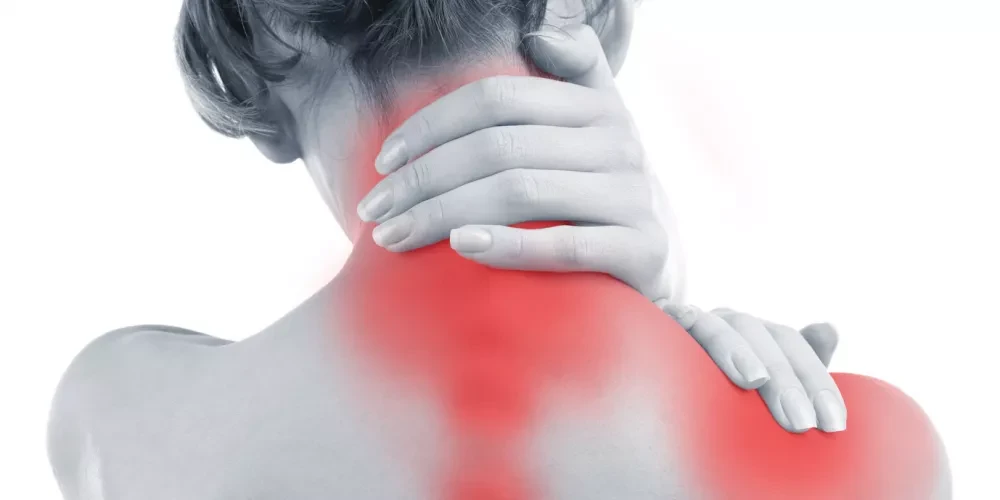

Neck and shoulder pain are one of the most common musculoskeletal conditions affecting adults. It's not just a simple ache it can get in the way of daily activities, slow down your work performance and drag down your overall quality of life. With electronic devices and prolonged sitting now part of our daily routine, it is no surprise that persistent neck discomfort, shoulder stiffness, and reduced mobility have become so widespread. The good news is that understanding the causes of neck and shoulder pain and seeking early treatment can go a long way helping prevent complications and improve long-term outcomes.
Causes of Neck and Shoulder Pain
The various factors which cause neck pain which disrupt your everyday activities include bone and joint problems, injuries, bad posture, and age-related medical conditions. Soft tissue pain which affects muscles tendons and ligaments serves as the primary reason for this condition. Neck muscles experience pain because people often move their necks without support throughout their day, leading to cervical spondylosis and chronic discomfort.
Shoulder pain appears frequently because the shoulder functions as a ball-and-socket joint which allows for extensive movement, making it prone to neck and shoulder pain conditions. People experience shoulder pain from three main reasons which include:
Overuse strain: Repeated activities or prolonged sitting can cause chronic neck pain treatment issues.
Tendonitis: Overuse causes the condition which produces irritation and pain.
Shoulder joint instability: Results in discomfort and difficulty moving.
Dislocation: Can be extremely painful and requires medical attention.
Fractures of the clavicle or humerus: Direct injuries can lead to severe pain.
Frozen shoulder: A painful condition affecting shoulder movement.
Nerve compression: Also known as radiculopathy, causing pain and numbness related to cervical disc pain.
Neck Arthritis Symptoms
Degenerative changes in the cervical spine can also contribute to neck pain and stiffness. Neck arthritis symptoms may include reduced neck mobility, stiffness, pain that becomes worse with movement, muscle tightness, and discomfort that may extend toward the shoulders or upper back. Some patients may also experience symptoms related to nerve compression, depending on the underlying cervical spine condition.
Understanding these causes can help determine the appropriate neck treatment.
Common Symptoms of Neck and Shoulder Pain
The symptoms of neck and shoulder pain can vary depending on the underlying cause and severity of the condition. Some patients experience mild stiffness, while others may suffer from persistent pain that affects daily activities.
Common symptoms include:
- Neck stiffness and reduced range of motion
- Shoulder pain during movement or lifting
- Muscle tightness in the neck and upper back
- Pain radiating to the arms or hands
- Numbness or tingling sensations
- Headaches associated with neck tension
- Weakness in the shoulders or upper limbs
If these symptoms persist or worsen over time, professional medical evaluation is recommended to determine the underlying cause and select the most appropriate treatment plan.
Straightening of the Normal Cervical Lordosis
Straightening of the normal cervical lordosis refers to a reduction or loss of the natural forward curve of the cervical spine. It may be seen on an X-ray or other imaging study and can occur in association with muscle spasm, poor posture, cervical spine conditions, or other factors.
Straightening of normal cervical lordosis does not necessarily indicate a serious condition on its own. The significance of this finding depends on the patient's symptoms, physical examination, and imaging results. A medical evaluation can help determine whether the finding is related to neck pain or another cervical spine problem.
Diagnostic Methods for Neck and Shoulder Pain
Doctors use multiple diagnostic methods to locate the precise source of neck and shoulder pain. The process typically starts with X-rays which serve as a fundamental instrument to identify disc space narrowing and rheumatoid diseases and bone damage and herniation and fractures and spinal curvature instability related to cervical disc herniation.
The examination begins with magnetic resonance imaging (MRI) which shows precise information about the nerve structures to detect potential problems. A CT myelogram serves as an alternative imaging method to MRI when doctors require more precise body scans for cervical disc treatment.
Electrodiagnostic studies which include electromyography (EMG) and nerve conduction velocity (NCV) function as valuable diagnostic instruments for detecting neck pain together with arm pain and tingling and numbness caused by cervical herniated disc symptoms. The combined diagnostic methods enable doctors to create a precise and successful treatment approach.
Treatment Strategies for Neck and Shoulder Pain
Treatment for neck and shoulder pain depends on the underlying cause, severity of symptoms, and the patient's overall condition. Modern treatment options range from medications and physical therapy to advanced non-surgical interventional pain management techniques.
Doctors often prescribe anti-inflammatory medications to reduce pain and inflammation sometimes on their own, sometimes alongside other therapies. If you're dealing with shoulder arthritis or similar inflammatory conditions, localized corticosteroid injections can be a game-changer offering significant pain relief that actually lasts.
Physical therapy and rehabilitation programs? They are just as essential for proper neck and shoulder pain treatment. Think stretching exercises, posture correction, and strengthening programs each one helps improve flexibility, restore mobility, and take the load off your cervical spine and shoulder joints.
For anyone struggling with chronic pain from cervical disc herniation or nerve compression, surgery is not the only answer. Advanced interventional procedures – like radiofrequency treatment, can offer long-lasting relief without the need for an operation.
In severe cases involving significant spinal cord or nerve root compression, surgical intervention or minimally invasive endoscopic procedures may be recommended.
Doctor for Neck and Shoulder Pain?
While mild neck and shoulder pain may improve with rest and lifestyle modifications, certain symptoms require medical attention. You should consult a specialist if:
If your neck pain drags on for several weeks with no sign of improvement, that's definitely something to pay attention to.
It’s also a red flag if the pain is messing with your sleep or making everyday tasks difficult.
Watch out for any numbness, tingling, or weakness spreading into your arms — that’s not normal.
And of course, if the pain suddenly gets much worse or keeps getting more intense, don’t ignore it.
Neck stiffness combined with balance issues or coordination problems is especially concerning.
Catching it early can make a big difference. It helps identify things like a herniated disc, pinched nerve, or cervical spondylosis before they turn into more serious, long-term problems.
Preventing Neck and Shoulder Pain
The selection of ergonomic chairs for your workspace together with an eye-level computer setup and proper sitting posture can significantly reduce the risk of neck and shoulder pain. Taking regular breaks, stretching throughout the day, and performing strengthening exercises can also help prevent muscle strain and improve flexibility.
Using supportive pillows and maintaining healthy sleeping positions contribute to proper spinal alignment and reduce stress on the cervical spine. Regular physical activity further decreases the risk of cervical spondylosis and chronic stiffness.
Understanding the causes of neck and shoulder pain is the first step toward choosing the right treatment and preventing the condition from becoming a long-term condition.
Dr. Mohamed koura is here to assist you using the latest therapeutic techniques, including thermal radiofrequency and laser treatments for spinal pain without surgery—book your appointment now from here.
Why Choose Dr. Mohamed Koura ?
Simply because he is the best doctor in his feild. He stays updated on the latest treatment technologies through his participation in various international conferences with leading foreign doctors and experts. Finally, and most importantly, Dr. Mohamed Koura is the best doctor in Egypt and the Arab world, possessing 12 non-surgical techniques for treating spinal and joint problems. He was the first to introduce modern interventional treatment techniques in Egypt & the Middle East and is the only one using the disc fx technique to treat spinal pain.
To see patients' reviews
Click hereNeck and shoulder pain may result from muscle strain, poor posture, herniated discs, cervical spondylosis, or nerve and muscle inflammation.
You should see a doctor if the pain is severe or persistent, or if it is associated with numbness, arm weakness, chronic headaches, or difficulty with daily activities.
Yes, many cases can be treated without surgery through medications, radiofrequency treatment, injections, physical therapy, and modern pain management techniques.
Yes, a cervical herniated disc can cause neck and shoulder pain, along with numbness or pain radiating to the arm.
Yes. Most cases of neck and shoulder pain can be managed without surgery through medications, physical therapy, rehabilitation exercises, and advanced pain management techniques such as radiofrequency ablation (RFA), depending on the cause and your doctor's evaluation.
You can reduce the risk of neck and shoulder pain by maintaining proper posture, taking regular breaks during work, performing stretching and strengthening exercises, using a supportive pillow while sleeping, and avoiding lifting heavy objects incorrectly. These habits help protect the cervical spine and reduce the likelihood of recurring pain.
A life without pain without surgery
Once you book with Dr. Koura
Get rid of pain with just one call… Book your appointment now with Dr. Mohamed Koura, the best pain management doctor and a specialized consultant in spine treatment.
The highest success rates thanks to years of experience and scientific development
Using the latest non-surgical technologies available in Egypt and the Middle East
The largest team specialized in treating spine and joint pain without surgery

































Services
Our Branches
- Egypt - El Mohandssen
- +201210577770
- 54, intersection of Al-Batal Ahmed Abdel Aziz Street with the League of Arab States, above Qatar National Bank - Mohandiseen - Giza
- Dubai
- +971501232065
- Dubai Healthcare City Phase 2 - Al Jaddaf - Dubai - United Arab Emirates
- Al Sheikh Zayed
- 00201067303035
- ، First Al Sheikh Zayed, Giza Governorate