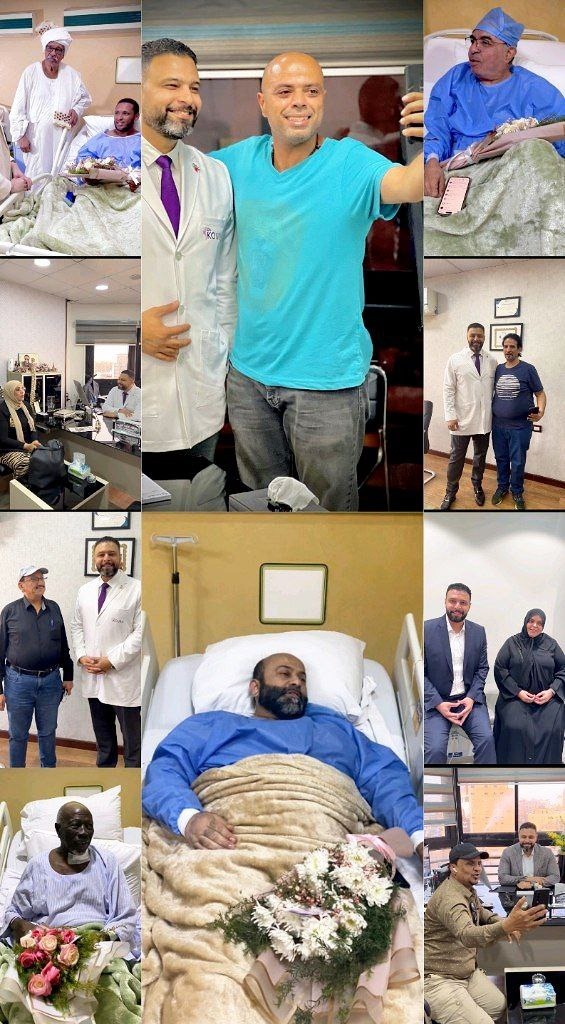
To see patients' reviews
Click hereRadiofrequency treatment for knee and joint osteoarthritis
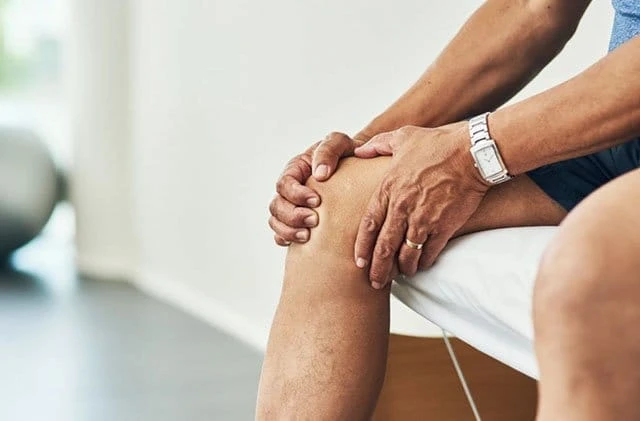
Knee and joint osteoarthritis are among the most common problems that affect quality of life. With age or due to constant stress, the cartilage gradually begins to wear down, leading to knee pain and difficulty walking or bending the joint. With the advancement of medicine, radiofrequency ablation (RFA) has become one of the most prominent modern solutions for treating knee and joint osteoarthritis, helping to reduce pain and improve mobility without the need for surgery. Dr. Mohamed koura is considered one of the best doctors in Egypt who specializes in using this modern technology to treat knee and joint osteoarthritis using precise and safe methods. He has achieved remarkable results in relieving pain and restoring normal movement without surgical intervention.
What is radiofrequency ablation and how does it work?
Radiofrequency ablation is a modern and advanced medical technique used to treat joint pain, especially knee osteoarthritis, in a precise and safe manner. This technique relies on sending targeted thermal pulses to the nerves responsible for transmitting pain signals from the knee joint to the brain. These thermal waves weaken or disable these nerves without affecting the nerves responsible for movement or the function of the joint itself, leading to effective pain relief without the need for surgery.
Radiofrequency ablation (RFA) for knee and joint osteoarthritis is one of the most advanced treatments in modern medicine. It is performed under X-ray guidance to ensure precise targeting of the nerve causing the pain. With Dr. Mohamed Koura extensive experience in non-surgical knee and joint pain treatment, the exact location of the pain is pinpointed using modern, advanced equipment that helps achieve the best results with complete safety.
What distinguishes RFA for knee and joint osteoarthritis:
The unique feature of RFA is that it does not cause any damage to the surrounding tissues and does not require general anesthesia or a surgical incision. The procedure is performed in a short time, not exceeding 30 minutes, in a simple operating room under local anesthesia only. The patient can leave the hospital the same day and resume their daily activities after a short period of rest.
Radiofrequency ablation is used to treat knee and joint osteoarthritis, particularly in advanced cases of osteoarthritis or chronic inflammation that do not respond to drug therapy or knee joint injections such as plasma or cortisone. This treatment is also an ideal option for people who cannot undergo surgery due to other health issues, or who desire effective treatment without the complications of major surgical procedures.
In many cases, patients notice a rapid improvement in their ability to walk and a significant reduction in pain within a few days after the session, as the radiofrequency effect gradually begins to soothe the nerves. With continued care and supervision from Dr. Mohamed Qour, the results of the session can last for up to a full year, making it one of the most effective solutions for patients with knee osteoarthritis and joint pain.
The Difference Between Radiofrequency and Knee Injections
Many patients wonder about the difference between radiofrequency treatment for knee and joint osteoarthritis and knee joint injections, especially given the multitude of modern options for treating knee osteoarthritis and joint problems. The truth is that each method has a specific role depending on the degree of osteoarthritis and the patient's general condition, which Dr. Mohamed Koura accurately determines after a clinical examination and the use of modern diagnostic imaging.
There are several types of knee injections, including plasma injections for knee osteoarthritis, which work to regenerate cells and stimulate tissue healing. Hyaluronic acid injections for knee osteoarthritis improve joint movement and reduce friction between bones. Cortisone injections are also used to reduce acute inflammation and swelling. These injections are an excellent option for early knee osteoarthritis or cases where sufficient cartilage is still present.
Radiofrequency therapy is a more advanced treatment for chronic knee pain, especially when injections or medications fail to produce the desired results. This technique relies on directing precise heat waves to the nerves responsible for pain sensation within the joint, disabling them without affecting the knee's movement or normal function. The procedure is simple, non-surgical, and requires no long recovery period, making it an ideal option for those seeking safe and rapid pain relief.
In many cases, Dr. Mohamed Koura prefers combining plasma injections for the knee with radiofrequency therapy for optimal results. Plasma helps regenerate cells and improve the condition of tissues within the joint, while radiofrequency suppresses pain signals, providing the patient with immediate relief and improved mobility over time.
In terms of cost, knee injection and plasma injection prices vary from patient to patient depending on the type of substance and the number of sessions required. However, the results achieved by the patient make it a true investment in their health and quality of life. The cost of radiofrequency surgery is also very reasonable compared to traditional surgical procedures, and most patients note that its effects last for a long period, up to a full year, without recurrence of the same severity.
Many patients who have undergone treatment under the supervision of Dr. Mohamed Koura confirmed that they experienced a significant improvement in mobility and a significant decrease in knee pain within a few days of the procedure. This makes this technique a preferred choice for those looking for the best doctor for knee osteoarthritis treatment in Egypt, who offers precise, scientific solutions without surgery or complications.
When is radiofrequency surgery recommended for knee treatment?
Doctors recommend radiofrequency ablation to treat knee and joint osteoarthritis in certain cases, including when the patient fails to respond to medication or local injections, or when pain persists after knee osteoarthritis injections. It is also suitable for people suffering from knee pain due to osteoarthritis or chronic arthritis.
Dr. Mohamed Koura is here to assist you using the latest therapeutic techniques, including thermal radiofrequency and laser treatments for spinal pain without surgery—book your appointment now from here.
Why Choose Dr. Mohamed Koura ?
Simply because he is the best doctor in his feild. He stays updated on the latest treatment technologies through his participation in various international conferences with leading foreign doctors and experts. Finally, and most importantly, Dr. Mohamed Koura is the best doctor in Egypt and the Arab world, possessing 12 non-surgical techniques for treating spinal and joint problems. He was the first to introduce modern interventional treatment techniques in Egypt & the Middle East and is the only one using the disc fx technique to treat spinal pain.
To see patients' reviews
Click hereCertainly not, some cases must be treated surgically, and the most appropriate technique for the patient is determined through a medical examination and the presence of imaging studies.
No, it is necessary to make a reservation through a phone call or social media messages.
There are no risks or side effects associated with non-surgical pain interventions.
The patient needs only 3 to 4 days before they can travel comfortably, and the hospital stay does not exceed 6 to 8 hours.
A condition cannot be accurately assessed and a proper medical diagnosis made without a medical examination and recent imaging studies.
Yes, there are several payment methods available through Visa or electronic wallets by making a reservation on our website.
Certainly, obesity is one of the causes of knee osteoarthritis.
Radiofrequency activates the nerve and does not cause any damage to it.
Non-surgical interventions are a definitive treatment for some cases and pain relievers for other cases, which is determined by the doctor through a medical examination.
If the herniated disc is fully treated, there is a possibility of it reoccurring in some cases, such as not following the doctor's prescribed instructions after the intervention, experiencing an accident, or making a sudden wrong movement like lifting heavy objects.
The entire disc is not removed due to the presence of several risks and it may exacerbate the condition. Only the protruding part that causes pain is removed.
This cannot be done with radiofrequency, but it is performed through other techniques that Dr. Koura conducts.
The success or failure of non-surgical interventions cannot be judged through radiographic imaging because these procedures involve making subtle changes to critical parts to address the issue. Consequently, they do not produce significant changes to avoid potential complications in the future or damage to the spine and joints, which is our primary goal.
Spinal stenosis does not typically cause sciatica. In most cases, disc herniation is what may lead to sciatica. This does not necessarily mean that a patient with sciatica will also have spinal stenosis.
Sciatica may return if the patient does not adhere to the medical instructions provided by the doctor or in the event of an unexpected accident.
Lower back pain can result from several causes, including a herniated disc, nerve compression, muscle strain, or chronic spinal injuries. Lifestyle factors such as prolonged sitting, muscle weakness, and excess weight can also exacerbate the problem.
Yes, most cases can be successfully managed with non-surgical treatment for lower back pain. Options such as medication, nerve root injection, disc injection, and radiofrequency therapy are highly effective in relieving pain and improving mobility without the need for surgery.
The best treatment for back pain depends on the cause and severity of the condition. Typically, it starts with medication for back pain, followed by minimally invasive procedures like nerve root injections or radiofrequency therapy to target the source of pain effectively.
Yes, radiofrequency therapy is considered a safe and effective option for chronic lower back pain. It works by interrupting pain signals from the affected nerves and provides long-lasting relief, especially in cases of herniated disc and spinal pain.
The pain can be caused by tension headaches, migraines, sinusitis, or muscle tension in the neck and jaw. Affected nerves, such as the trigeminal nerve, can also play a significant role, along with lifestyle factors like stress, lack of sleep, and poor posture.
Certainly not, some cases must be treated surgically, and the most suitable technique for treating the patient is determined through medical examination in addition to the presence of X-ray images.
Yes, Dr. Mohammed Koura's center relies on non-surgical techniques to relieve pain and improve mobility. These include therapeutic injections for affected nerves and muscles, radiofrequency ablation to reduce pressure on nerves, and physical therapy exercises to stretch and strengthen muscles around the head and neck.
Interventional injections, or therapeutic injections, are a technique in which the doctor injects anti-inflammatory or pain-relieving medication directly into the source of pain, such as irritated nerves or muscle spasms. This helps reduce pain quickly without the need for surgery.
Yes, muscle tension in the neck and jaw can cause pain in the face or head, and it is often associated with stress or poor posture. Treatment usually includes muscle strengthening exercises and relaxation techniques.
Radiofrequency ablation helps reduce pressure on affected nerves, providing fast and effective pain relief. It is often combined with therapeutic injections to achieve better and longer-lasting results.
Migraine is usually throbbing and concentrated on one side of the head, and it may be accompanied by nausea and sensitivity to light. Tension headache, on the other hand, is more constant and causes pressure around the head and neck, often worsening with stress.
In some cases, symptoms may return if strengthening exercises are not continued or stress triggers are not avoided. However, by following the personalized treatment plan provided by Dr. Koura, the chances of pain recurrence can be significantly reduced.
Persistent neck pain, stiffness during movement, headaches at the back of the head, or tingling and numbness in the shoulder or arm are all signs that may indicate the need for a proper medical evaluation.
تصلب الرقبة غالبًا نتيجة شد العضلات أو إجهاد الفقرات العنقية، وقد يزداد مع الجلوس لفترات طويلة أو النوم بوضعية خاطئة. العلاج يشمل تمارين تمدد الرقبة وبرامج تقوية العضلات.
Yes, compression of the cervical spine nerves can lead to pain, tingling, or numbness in the shoulder and arm. This condition can often be relieved through therapeutic injections or radiofrequency ablation, along with physical therapy.
Muscle strain pain is usually localized and worsens with movement or exertion, while a herniated disc may cause persistent pain, along with weakness in the arms. It requires a specialized evaluation to determine the most appropriate treatment.
Yes, interventional injections target the pain area directly and help reduce pressure on nerves and muscles, which decreases pain and improves mobility without surgery.
Treatment at Dr. Mohamed Koura Center includes therapeutic injections to relieve nerve pressure, radiofrequency ablation to reduce inflammation, as well as physical therapy exercises to strengthen neck muscles and improve flexibility.
Radiofrequency ablation helps relieve pressure on nerves and reduces inflammation, which effectively decreases pain. It is often combined with physical therapy programs to achieve the best results.
If the pain is accompanied by numbness or weakness in the hands or shoulder, difficulty moving, loss of muscle control, or sudden severe pain, medical attention should be sought immediately.
Yes, all techniques at the center are performed under specialized medical supervision and are designed to treat the root cause of pain, not just relieve the symptoms. Most patients notice significant improvement within a few weeks, with close follow-up to ensure the best possible results.
Shoulder pain may result from tendon or ligament inflammation, muscle strain, sports injuries, shoulder joint compression or dislocation, or joint conditions such as degenerative arthritis. Weakness in the muscles surrounding the shoulder can also contribute to increased pain.
Yes, Dr. Mohamed Koura Center offers advanced non-surgical treatments, including therapeutic injections to reduce inflammation and pain directly at the joint or tendons, radiofrequency treatment to relieve pressure on the nerves, as well as physical therapy and muscle-strengthening exercises to support the joint and improve mobility.
نعم، ضغط الأعصاب في الرقبة أحيانًا يسبب ألمًا في الكتف والذراع، والعلاج يشمل تقييم العمود الفقري، تمارين الرقبة، والحقن العلاجية إذا لزم الأمر.
Therapeutic injections for immediate pain relief, radiofrequency treatment to reduce pressure on the nerves, and therapeutic exercises to strengthen the muscles are all effective ways to relieve shoulder pain without surgery.
If the pain is accompanied by sudden swelling, weakness in the arm or hand, difficulty lifting the arm, or severe persistent pain, you should see a doctor immediately to avoid further complications.
نعم، الحفاظ على تمارين تقوية الكتف، تصحيح وضعية الجسم، وتجنب الأوزان الثقيلة بطريقة خاطئة يقلل بشكل كبير من عودة الألم ويحافظ على صحة المفصل.
Yes, the center provides patients with a customized exercise program, along with advice on improving posture and avoiding shoulder strain, which helps reduce pain recurrence and maintain joint health.
Yes, the center offers advanced non-surgical treatments such as interventional injections to reduce inflammation, physical therapy, and customized exercise programs to strengthen the knee and improve flexibility.
test Faq Question new g
Knee osteoarthritis is the gradual wear and tear of the joint cartilage, causing the bones to rub against each other. This leads to pain and stiffness when walking or climbing stairs. It is considered one of the most common causes of knee pain, especially with aging or previous injuries.
Interventional injections are administered directly at the source of pain or inflammation, which helps relieve pain quickly, reduce swelling, and improve joint movement without the need for surgery.
Yes, the center follows up with patients through personalized home exercises and instructions, along with advice on improving body posture and strengthening muscles, which helps reduce the recurrence of pain in the long term.
Radiofrequency treatment reduces pressure on the nerves surrounding the joint and relieves pain quickly. It is often combined with therapeutic injections and a physical therapy program to achieve the best results.
Yes, hyaluronic acid injections are often combined with platelet-rich plasma (PRP) injections and therapeutic exercises to achieve better results, along with continuous follow-up to ensure improved mobility and long-term pain reduction.
Hyaluronic acid injections work by lubricating the joint and improving movement by increasing flexibility and reducing friction between the bones of the knee. These injections are especially useful for people with mild to moderate arthritis, and they help reduce pain and improve walking ability and daily activity.
Yes, continuous strain on the knee without strengthening the supporting muscles can lead to tendon inflammation and chronic pain.
Excessive sweating in the hands and feet occurs due to overactivity of the sweat glands or genetic factors, and it may also be related to psychological stress or certain medical conditions.
It is usually not dangerous to health, but it can affect daily comfort and self-confidence.
Treatment includes antiperspirant creams, Botox injections to reduce sweat production, or radiofrequency therapy, which is used to heat the nerves responsible for stimulating the sweat glands, thereby reducing sweating almost permanently.
Cartilage wear due to aging, obesity, previous injuries, or chronic arthritis.
Treatment includes physical therapy, exercises to strengthen the muscles around the joint, hyaluronic acid injections, or platelet-rich plasma (PRP) injections to improve joint movement and reduce pain.
It includes antiviral medications to reduce the severity of the infection, pain relievers, and also radiofrequency therapy, which is considered the best way to relieve the pain of shingles.
In some cases, it may cause persistent pain after the rash disappears (postherpetic neuralgia), which requires additional treatment to relieve the pain.
Yes, treatment includes interventional injections to reduce pain and inflammation, radiofrequency therapy, physical therapy, and muscle-strengthening exercises to support the spine and improve mobility.
إذا صاحب الألم تورم شديد، ضعف في الركبة أو صعوبة المشي، ألم حاد مستمر، أو عدم القدرة على ثني الركبة، يجب مراجعة المركز فورًا لتقييم الحالة ووضع خطة عاجلة.
هل يمكن دمج أكثر من طريقة علاجية في نفس الوقت؟
Pain management is a medical specialty focused on diagnosing and treating chronic and acute pain conditions such as spine pain, herniated discs, headaches, joint pain, and nerve pain using medications, physical therapy, and advanced non-surgical techniques.
Yes, many cases of herniated discs can be treated without surgery through physical therapy, medications, therapeutic injections, and radiofrequency treatment, especially when diagnosed early and treated with the appropriate care plan.
The latest non-surgical pain treatment techniques include radiofrequency therapy, interventional injections, platelet-rich plasma (PRP) injections, specialized physical therapy, and minimally invasive treatments that help reduce inflammation and improve movement without surgery.
Yes, radiofrequency treatment is considered a safe and effective technique for pain relief. It is performed under specialized medical supervision to reduce pain and nerve pressure without surgery, with a relatively quick recovery period.
The treatment duration depends on the cause and severity of the condition, but many patients notice gradual improvement within a few weeks when following the treatment plan, physical therapy, and daily care instructions.
Physical therapy plays an important role in improving movement and strengthening muscles, but in some advanced cases it may not be enough on its own. Additional treatments such as injections or radiofrequency therapy may be needed depending on the doctor’s evaluation.
A herniated disc occurs when the disc presses on the nerves, while spinal osteoarthritis is caused by the gradual wear and tear of the joints and cartilage. Both conditions can cause neck or back pain, but the treatment approach differs depending on the diagnosis.
Yes, many cases of knee osteoarthritis can be treated without surgery using therapeutic injections, physical therapy, muscle-strengthening exercises, and advanced pain management techniques that help reduce inflammation and improve movement.
Arthroscopic neck pain treatment is a modern medical procedure used to treat certain neck and cervical spine conditions through minimally invasive techniques with small incisions, helping reduce pain and improve movement with faster recovery compared to traditional surgery.
Yes, arthroscopic neck pain treatment is considered a safe and advanced procedure when performed under specialized medical supervision. It helps relieve nerve pressure, improve movement, and reduce recovery time and complications.
A patient may need arthroscopic neck treatment when neck pain persists for a long time, or when there is nerve compression, arm numbness, weakness, or no improvement with conservative treatment.
Yes, some cases of cervical disc herniation can be treated arthroscopically. This minimally invasive approach helps relieve nerve pressure and reduce pain without major surgery.
The main benefits of arthroscopic neck treatment include less pain after the procedure, faster recovery, smaller incisions, and shorter hospital stays compared to traditional surgery.
Yes, many types of headaches can be treated without surgery using medications, physical therapy, radiofrequency treatment, and therapeutic injections that help reduce pain and improve quality of life.
You should visit the best doctor for headache treatment if headaches occur frequently, become severe, affect your daily life, or do not improve with regular painkillers.
The latest treatments for chronic headaches include radiofrequency therapy, interventional nerve treatments, physical therapy, and identifying headache triggers to reduce the frequency of attacks and improve the condition significantly.
نعم، قد تسبب مشاكل فقرات الرقبة أو شد العضلات صداعًا مستمرًا، خاصة الصداع الخلفي أو الصداع المرتبط بالتوتر نتيجة الضغط على الأعصاب والعضلات.
You should visit the best doctor for knee osteoarthritis treatment if you experience persistent pain, difficulty moving, joint stiffness, or problems walking and performing daily activities normally.
Yes, many cases of knee osteoarthritis can be treated without surgery using therapeutic injections, physical therapy, radiofrequency treatment, and muscle-strengthening exercises to improve movement and reduce pain.
Knee osteoarthritis occurs due to the gradual wear of cartilage inside the joint with aging, excess weight, repeated injuries, muscle weakness, or continuous pressure on the knee joint.
The latest treatments for knee osteoarthritis include interventional injections, platelet-rich plasma (PRP) injections, radiofrequency therapy, physical therapy, and muscle-strengthening programs that help reduce inflammation and improve joint flexibility.
A life without pain without surgery

Once you book with Dr. Koura
Get rid of pain with just one call… Book your appointment now with Dr. Mohamed Koura, the best pain management doctor and a specialized consultant in spine treatment.