 العربية
 English

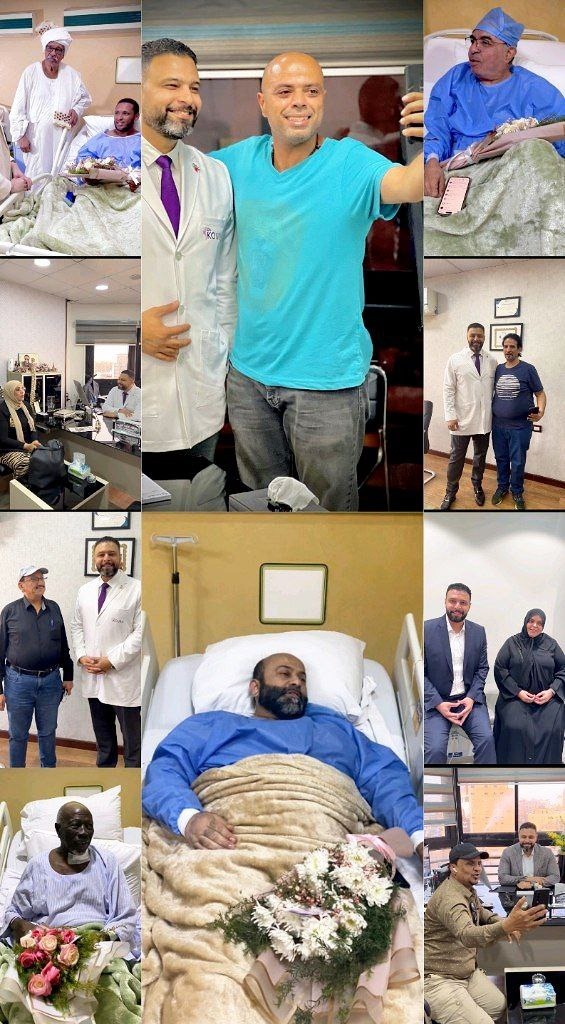
To see patients' reviews
Click herePlatelet-Rich Plasma Injections for Knee Osteoarthritis


Platelet-Rich Plasma Injections for Knee Osteoarthritis
A novel method to treat knee pain and recover range of motion. Knee OA is the most prevalent of all disorders impacting tens of millions of individuals globally, with the largest populations being those of old age. Non-surgical approaches including platelet-rich plasma (PRP) injection have emerged over time as effective modalities in treating knee OA. Dr. Mohamed Koura is a leader in the field of knee OA treatment utilizing PRP injection therapy and one of the top interventional pain doctors.
What is Platelet-Rich Plasma Injection for Knee Osteoarthritis?
Platelet-rich plasma injection is a contemporary method using your body's own blood to facilitate healing. Your blood is removed and then placed into a unique machine that isolates the plasma, the portion of the blood that contains a high concentration of platelets. The PRP is then injected into the damaged knee to reduce inflammation and assist in the healing process.
Why does a patient need PRP injections for knee osteoarthritis?
Joint injections of PRP are considered a great option for patients with moderate to severe osteoarthritis of the knee in the early to middle stages of disease. Occasionally, patients will pursue injections of joint fluid for osteoarthritis if they continue to feel pain despite physiotherapy and prescription medications. Injections are capable of:
- Stimulate tissue regeneration: Contributing to the repair of damaged cartilage and improving joint flexibility.
- Delay the need for surgery.
- Relieve chronic pain: The plasma contains growth factors that help soothe joint inflammation and reduce pain.
- Enhance knee movement: By reducing stiffness and improving mobility.
How are PRP Injections Administered for Knee Osteoarthritis?
The injections are not complicated and are completely non surgical and do not necessitate general anesthesia or hospital admission as they are performed easily in a clinic setting. The injections will be administered by:
- Blood drawn: A small sample of blood from the patient is obtained, the quantity of which is then ascertained.
- Plasma separated: The plasma portion of the blood, rich in platelets, is then separated by means of a centrifuge.
- Procedure for injection: Image guided intra-articular injection of the plasma into the joint is administered, following the administration of local anesthesia.
Post-Treatment Care for Knee Osteoarthritis Injection
Patients are advised to rest for a few days after receiving the PRP treatment and avoid strenuous activities. Cold compresses can be used to reduce swelling. It is essential to follow the doctor's instructions carefully to achieve the best results.
Advantages and Disadvantages of Using PRP Injections for the Knee Joint
-
Safe: Since the plasma is taken from the patient’s own blood, the likelihood of allergic reactions is minimal.
-
Effective: Studies have shown significant improvements in pain and mobility in many patients after receiving PRP injections for knee osteoarthritis and damaged cartilage.
-
Non-surgical treatment: It does not require surgery, reducing risks and recovery time.
Disadvantages:
- It may not be suitable for advanced stages of knee osteoarthritis, which may require surgical intervention.
- The patient may need multiple sessions to achieve the desired results.
Prices for PRP Injections for the Knee
The prices for a knee OA PRP injection vary in cost according to the severity of the arthritis, the number of sessions necessary, the expertise of the physician and the medical institution in which the procedure is carried out. Prices might change according to any other procedure conducted with hyaluronic injection or radiofrequency. In the case of Dr Mohamed Koura's clinic, they provide cost effective services and also provide services with superior quality.
Does PRP Injections Help Treat Knee Osteoarthritis?
According to Dr. Mohamed Koura, clinical results show significant improvement in pain relief and mobility in patients who have undergone PRP injections. This treatment is considered an effective option for patients seeking a non-surgical and efficient treatment for knee osteoarthritis.
Where Can PRP Injection Treatment for Knee Osteoarthritis Be Done?
This therapy is highly advisable to be conducted at centers which are equipped with proper resources such as that of the clinics of Dr. Mohamed Koura's, who is rated as the top physician in the specialty of spine and joint specialists and a specialist in interventional pain therapy procedures. Advanced technology and treatment options such as injection of PRP will be performed at Dr. Koura's clinic with best diagnostic and medical therapy methods.
Dr. Mohamed Koura is here to assist you using the latest therapeutic techniques, including thermal radiofrequency and laser treatments for spinal pain without surgery—book your appointment now from here.
Why Choose Dr. Mohamed Koura ?
Simply because he is the best doctor in his feild. He stays updated on the latest treatment technologies through his participation in various international conferences with leading foreign doctors and experts. Finally, and most importantly, Dr. Mohamed Koura is the best doctor in Egypt and the Arab world, possessing 12 non-surgical techniques for treating spinal and joint problems. He was the first to introduce modern interventional treatment techniques in Egypt & the Middle East and is the only one using the disc fx technique to treat spinal pain.
To see patients' reviews
Click hereIf the pain is accompanied by severe swelling, knee weakness, difficulty walking, persistent sharp pain, or inability to bend the knee, you should visit Dr. Mohamed Koura Center immediately for evaluation and an urgent treatment plan.
Pain management is a medical specialty focused on diagnosing and treating chronic and acute pain conditions such as spine pain, herniated discs, headaches, joint pain, and nerve pain using medications, physical therapy, and advanced non-surgical techniques.
Yes, many cases of herniated discs can be treated without surgery through physical therapy, medications, therapeutic injections, and radiofrequency treatment, especially when diagnosed early and treated with the appropriate care plan.
The latest non-surgical pain treatment techniques include radiofrequency therapy, interventional injections, platelet-rich plasma (PRP) injections, specialized physical therapy, and minimally invasive treatments that help reduce inflammation and improve movement without surgery.
Yes, radiofrequency treatment is considered a safe and effective technique for pain relief. It is performed under specialized medical supervision to reduce pain and nerve pressure without surgery, with a relatively quick recovery period.
The treatment duration depends on the cause and severity of the condition, but many patients notice gradual improvement within a few weeks when following the treatment plan, physical therapy, and daily care instructions.
Physical therapy plays an important role in improving movement and strengthening muscles, but in some advanced cases it may not be enough on its own. Additional treatments such as injections or radiofrequency therapy may be needed depending on the doctor’s evaluation.
A herniated disc occurs when the disc presses on the nerves, while spinal osteoarthritis is caused by the gradual wear and tear of the joints and cartilage. Both conditions can cause neck or back pain, but the treatment approach differs depending on the diagnosis.
Yes, many cases of knee osteoarthritis can be treated without surgery using therapeutic injections, physical therapy, muscle-strengthening exercises, and advanced pain management techniques that help reduce inflammation and improve movement.
A patient may need arthroscopic neck treatment when neck pain persists for a long time, or when there is nerve compression, arm numbness, weakness, or no improvement with conservative treatment.
Yes, many types of headaches can be treated without surgery using medications, physical therapy, radiofrequency treatment, and therapeutic injections that help reduce pain and improve quality of life.
You should visit the best doctor for headache treatment if headaches occur frequently, become severe, affect your daily life, or do not improve with regular painkillers.
The latest treatments for chronic headaches include radiofrequency therapy, interventional nerve treatments, physical therapy, and identifying headache triggers to reduce the frequency of attacks and improve the condition significantly.
نعم، قد تسبب مشاكل فقرات الرقبة أو شد العضلات صداعًا مستمرًا، خاصة الصداع الخلفي أو الصداع المرتبط بالتوتر نتيجة الضغط على الأعصاب والعضلات.
A life without pain without surgery
Once you book with Dr. Koura
Get rid of pain with just one call… Book your appointment now with Dr. Mohamed Koura, the best pain management doctor and a specialized consultant in spine treatment.
The highest success rates thanks to years of experience and scientific development
Using the latest non-surgical technologies available in Egypt and the Middle East
The largest team specialized in treating spine and joint pain without surgery

































Services
Our Branches
- Egypt - El Mohandssen
- +201210577770
- 54, intersection of Al-Batal Ahmed Abdel Aziz Street with the League of Arab States, above Qatar National Bank - Mohandiseen - Giza
- Al Sheikh Zayed
- 00201067303035
- ، First Al Sheikh Zayed, Giza Governorate
- Dubai
- +971501232065
- Dubai Healthcare City Phase 2 - Al Jaddaf - Dubai - United Arab Emirates