 العربية
 English
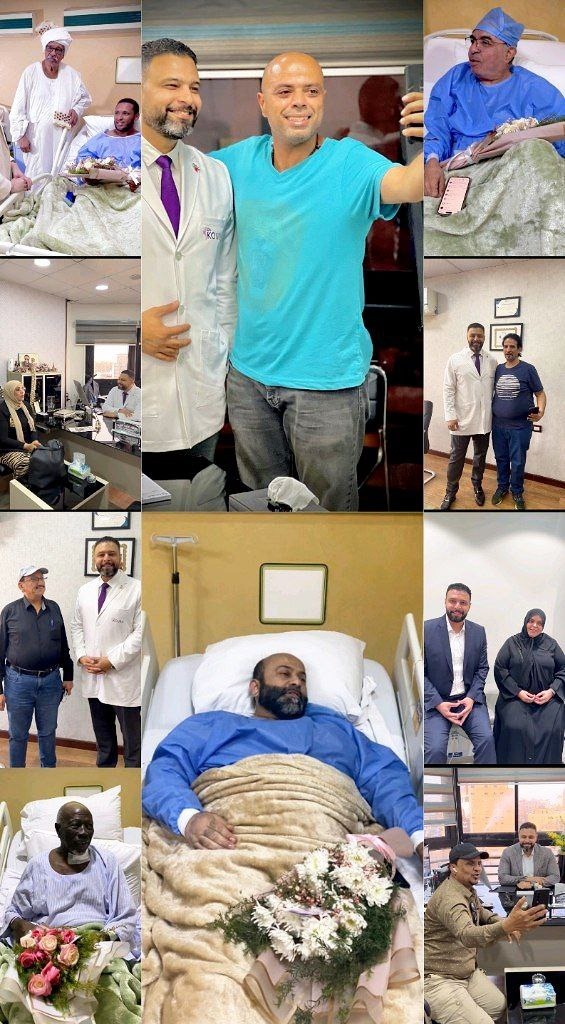
To see patients' reviews
Click hereHerniated Disc: Degrees & Treatment
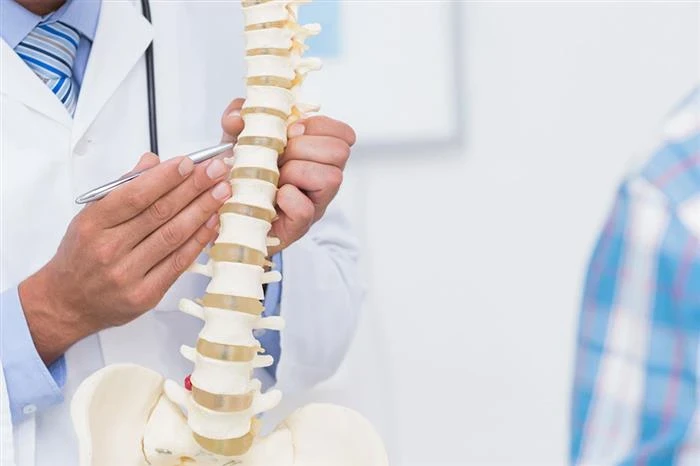
Herniated Disc is among the many possible spine injuries. It may compromise patients’ capacity to carry out everyday actions or even affect their well-being considerably, specifically with common Herniated Disc Symptoms like reduced pain on the bottom back or lower bach pain, back leg numbness and burning, as well as sciatica, or shooting back pain that goes into the lower leg as well as toes. The intensity associated with a Disc Bulge differs and then determines the Degrees of Herniated Disc, which helps determine which form of surgical treatment would most be ideal.
What are the degrees of herniated disc?
Herniated Disc is divided into Degrees of Herniated Disc ranging from mild to advanced states. It can be classified as follows. In the first degree, and the weakness of the disk may slightly occur in one area, without causing leakage of the inner contents and does not cause symptoms of the case, In the second degree, and the bulging of the Disc Bulge outside its original place and may exert light pressure on the surrounding nerves, The third degree is a true disk herniation, which is causing a disc material to leave the central area of the disk and affect the nerve.
Thus it becomes clear the most severe case the person suffers from significant pain in the neck or back and may experience Herniated Disc Symptoms.
In the fourth degree and is the more serious degree, the cause of disc fracture and separating it into parts and causing several symptoms, most prominently a permanent muscle weakness and numbness. Understanding the Degrees of Herniated Disc plays an important role in determining the treatment of the disc appropriate for each case.
The most dangerous types of herniated disc
The most dangerous type of Herniated Disc occurs in advanced stages, especially when it causes significant pressure on the nerves or the spinal cord. One of the most serious cases is Lumbar Disc Herniation, which affects the lower vertebrae and may cause sciatica with pain radiating to the legs, affecting walking and movement and leading to Lower Back Herniated Disc Symptoms.
Cervical Disc Herniation is also considered dangerous in some cases, especially when it compresses the nerves supplying the arms, leading to muscle weakness or loss of sensation and other Cervical Herniated Disc Symptoms. In rare cases, compression of the spinal cord itself may occur, requiring urgent intervention to avoid serious complications.
Therefore, early Herniated Disc Diagnosis and searching for the best Non-Surgical Herniated Disc Treatment is a crucial step to prevent disease progression.
Non-surgical treatment options for herniated disc
The Best Modern Procedures to Help With a Herniated Disc The best possible treatment plans involve modern, cutting-edge advancements, because the most cases of Herniated Discs can be resolved non-surgically today. These include certain forms of Medication such as herniated disc medication and physical therapy. You can even use Interventional procedures such as spinal injections and radiofrequency ablation, both of which directly decrease pressure that is placed on the spinal cord, thus directly lessening pain associated with Herniated Disc Symptoms. Advanced medical methods such as the laser disc decompression or disc aspiration methods can also be utilized to ease disc conditions non-invasively.
Since Herniated Discs are specific and individual to each case and how they differ in Degrees of Herniated Disc and the causes of herniation, there isn't a single course of action to relieve them. It would be in your best interest to consult with your doctor or disc specialist to identify the most suited disc treatment for you.
When is surgery needed for herniated disc?
However, in some serious instances where significant pressure on the spine or nerve is exerted, like the patient is not being able to control their bowels or bladder or where the patient suffers severe weakness in the extremities, and all other methods like medication and interventional procedures have proved ineffective.
Here surgery must be undertaken to protect from some permanent damage, but the emphasis remains to obtain disc treatment without any surgery as the patient will have minimal risk and a speedy recovery.
As such, each Degrees of Herniated Disc must be dealt with according to each individual, but early recognition and the selection of appropriate Treatment will ensure that there is a full and quick recovery and the removal of the debilitating herniated disc symptoms from your life. Today the Non-Surgical Herniated Disc Treatment can safely be delivered and will surely give the optimum solution to each and every individual of herniated disc pain in most of the cases.
Dr. Mohamed Koura Center offers a diverse range of advanced non-surgical Herniated disc treatments including Radio-frequency Ablation & nerve root injections and other interventions by experts who specialize in treating spinal pain. If you are currently facing excruciating pain due to Herniated Disc, kindly contact our team today for a consultation and begin your treatment to live a completely pain-free life.
Dr. Mohamed koura is here to assist you using the latest therapeutic techniques, including thermal radiofrequency and laser treatments for spinal pain without surgery—book your appointment now from here.
Why Choose Dr. Mohamed Koura ?
Simply because he is the best doctor in his feild. He stays updated on the latest treatment technologies through his participation in various international conferences with leading foreign doctors and experts. Finally, and most importantly, Dr. Mohamed Koura is the best doctor in Egypt and the Arab world, possessing 12 non-surgical techniques for treating spinal and joint problems. He was the first to introduce modern interventional treatment techniques in Egypt & the Middle East and is the only one using the disc fx technique to treat spinal pain.
To see patients' reviews
Click hereIf the pain is accompanied by severe swelling, knee weakness, difficulty walking, persistent sharp pain, or inability to bend the knee, you should visit Dr. Mohamed Koura Center immediately for evaluation and an urgent treatment plan.
Pain management is a medical specialty focused on diagnosing and treating chronic and acute pain conditions such as spine pain, herniated discs, headaches, joint pain, and nerve pain using medications, physical therapy, and advanced non-surgical techniques.
Yes, many cases of herniated discs can be treated without surgery through physical therapy, medications, therapeutic injections, and radiofrequency treatment, especially when diagnosed early and treated with the appropriate care plan.
The latest non-surgical pain treatment techniques include radiofrequency therapy, interventional injections, platelet-rich plasma (PRP) injections, specialized physical therapy, and minimally invasive treatments that help reduce inflammation and improve movement without surgery.
Yes, radiofrequency treatment is considered a safe and effective technique for pain relief. It is performed under specialized medical supervision to reduce pain and nerve pressure without surgery, with a relatively quick recovery period.
The treatment duration depends on the cause and severity of the condition, but many patients notice gradual improvement within a few weeks when following the treatment plan, physical therapy, and daily care instructions.
Physical therapy plays an important role in improving movement and strengthening muscles, but in some advanced cases it may not be enough on its own. Additional treatments such as injections or radiofrequency therapy may be needed depending on the doctor’s evaluation.
A herniated disc occurs when the disc presses on the nerves, while spinal osteoarthritis is caused by the gradual wear and tear of the joints and cartilage. Both conditions can cause neck or back pain, but the treatment approach differs depending on the diagnosis.
Yes, many cases of knee osteoarthritis can be treated without surgery using therapeutic injections, physical therapy, muscle-strengthening exercises, and advanced pain management techniques that help reduce inflammation and improve movement.
A patient may need arthroscopic neck treatment when neck pain persists for a long time, or when there is nerve compression, arm numbness, weakness, or no improvement with conservative treatment.
Yes, many types of headaches can be treated without surgery using medications, physical therapy, radiofrequency treatment, and therapeutic injections that help reduce pain and improve quality of life.
You should visit the best doctor for headache treatment if headaches occur frequently, become severe, affect your daily life, or do not improve with regular painkillers.
The latest treatments for chronic headaches include radiofrequency therapy, interventional nerve treatments, physical therapy, and identifying headache triggers to reduce the frequency of attacks and improve the condition significantly.
نعم، قد تسبب مشاكل فقرات الرقبة أو شد العضلات صداعًا مستمرًا، خاصة الصداع الخلفي أو الصداع المرتبط بالتوتر نتيجة الضغط على الأعصاب والعضلات.
A life without pain without surgery
Once you book with Dr. Koura
Get rid of pain with just one call… Book your appointment now with Dr. Mohamed Koura, the best pain management doctor and a specialized consultant in spine treatment.
The highest success rates thanks to years of experience and scientific development
Using the latest non-surgical technologies available in Egypt and the Middle East
The largest team specialized in treating spine and joint pain without surgery

























Services
Our Branches
- Egypt - El Mohandssen
- +201210577770
- 54, intersection of Al-Batal Ahmed Abdel Aziz Street with the League of Arab States, above Qatar National Bank - Mohandiseen - Giza
- Dubai
- +971501232065
- Dubai Healthcare City Phase 2 - Al Jaddaf - Dubai - United Arab Emirates
- Al Sheikh Zayed
- 00201067303035
- ، First Al Sheikh Zayed, Giza Governorate