 العربية
 English
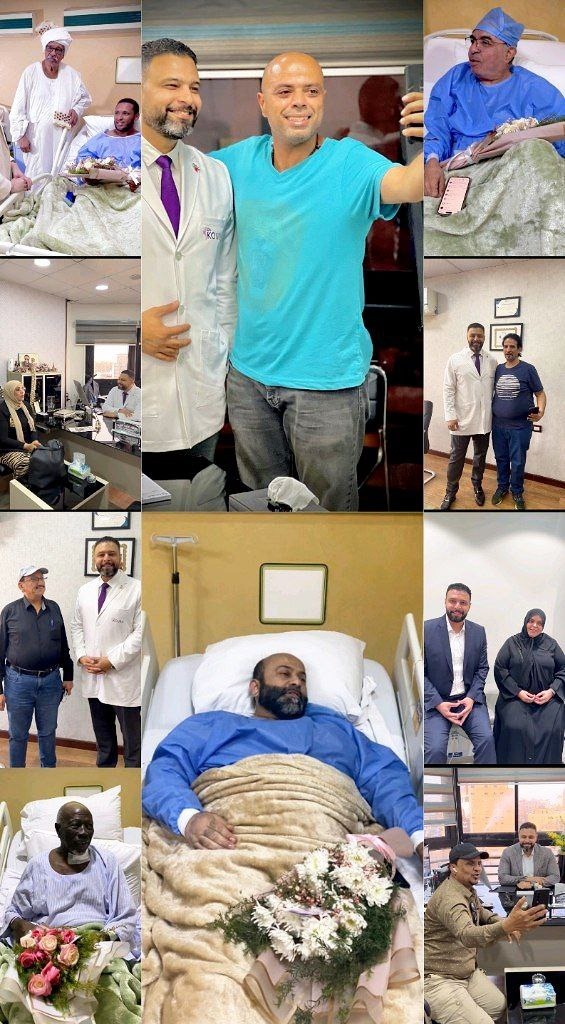
To see patients' reviews
Click hereCauses of back pain & spinal pain

Spinal pain is a widely occurring medical condition that affects a vast number of people at various stages of their lives. It is one of the most frequent health complaints and has the capacity to significantly alter the quality of life of sufferers. A Herniated Disk in the Lower Back is one of the most common spinal conditions associated with chronic back pain and reduced mobility. Understanding the causes of spinal pain is essential, as back pain and lower back pain can result from a variety of conditions ranging from mild muscle sprains to more complex disorders such as Herniated Disc, Lumbar Disc Herniation, Spinal Canal Stenosis, chronic diseases, and injuries.
Identifying a Herniated Disk in the Lower Back and developing an appropriate spine treatment plan can sometimes be challenging. Many patients experience Lower Back Herniated Disc Symptoms such as lower back pain, sciatica, numbness, tingling, and muscle weakness. However, modern medicine offers advanced and effective treatment options that help reduce pain, improve mobility, and restore patients to their normal daily activities. Within this article, we will cover treatments for back pain, including methods such as self-care, rest, and advanced medical approaches. to modern forms of treatment, such as Radiofrequency therapy and Non-surgical treatment for lower back pain, as well as highlight the significance of seeing a professional such as Dr Mohamed Koura, a leading Pain management doctor, to ensure effective and appropriate treatment.
Symptoms of Spinal Pain
The symptoms of back pain vary in intensity and location. Common symptoms include:
- Radiating to the leg: there might be pain down to the legs.
- Back, buttocks and feet: Lower back pain may result to pains in the buttocks and feet that will lead to disturbance in daily life.
- Curvature of shoulders: The upper back may be curved if the pain spreads up to it.
- Stabbing pain in the back: The pain may occur along with sharp and pricking pains in the back.
- Sudden back muscles pain: A person may suddenly experience acute pain in the back muscles making normal movement difficult.
- Trouble in standing up straight: It is difficult for some people to stand up straight due to the pain, particularly after sitting or driving for a long duration.
- Sleeping problems, headaches and fatigue: the person may not be able to sleep peacefully as they might experience pain. They may also suffer from headaches and have fatigue.
- Lack of mobility in the back: This causes immobility in the back.
In some cases, a patient may not show all these symptoms at once, but may experience some of them or just a feeling of unusual fatigue.
Causes of Spinal Pain
Spinal pain can have various causes related to health and lifestyle factors. Common causes include:
- Lower back disc problems: Rupture or damage to the cushions or discs between vertebrae can put pressure on nerves and vertebrae, causing lower back pain.
- Stress and tension: Back pain may result from nerve tension or be secondary to issues with other organs, such as the heart or stomach.
- Osteoporosis: Low calcium levels can lead to osteoporosis, weakening the spine's ability to handle pressure and causing lower back pain. Poor posture can worsen these symptoms.
- Arthritis: Arthritis may narrow the space around the spinal cord, increasing pressure on the vertebrae and causing severe back pain, affecting other joints like the knees and ankles.
- Kidney and uterine diseases: Certain conditions, such as kidney and uterine diseases, can lead to spinal pain, causing discomfort in the back area.
- Muscle strain: Sudden exercise or lifting heavy weights without proper preparation can strain the muscles and ligaments between vertebrae, leading to back pain.
- Pregnancy-related back pain: Pregnant women often experience back pain due to the growing fetus, which increases pressure on the spine and causes discomfort.
These causes contribute to back pain, which can vary in severity and distribution, requiring accurate diagnosis and appropriate treatment.
Additional Causes of Spinal Pain: Infections and Tumors
A cause for spinal pain can also arise from the development of infection or a tumor. A bacterial infection can spread into the vertebrae or discs, leading to painful inflammation and severe spine pain. In some cases, these conditions may affect a Herniated Disk in the Lower Back or mimic its symptoms, making accurate diagnosis essential.
Tumors, whether benign or malignant, can also grow within the vertebrae or surrounding structures. They may cause significant pain by exerting pressure on nerves or adjacent tissues, leading to chronic back pain and the need for specialized spine treatment. Some patients may experience symptoms similar to Lower Back Herniated Disc Symptoms, including persistent pain, numbness, or weakness in the lower extremities.
Benign tumors are generally less dangerous than malignant tumors, as they are not usually life-threatening. However, malignant tumors can have serious implications for the spinal column and may require advanced pain management and comprehensive spinal pain treatment. Proper evaluation helps distinguish these conditions from a Herniated Disk in the Lower Back and ensures the most appropriate treatment plan.
Treating Spinal Pain
Spinal pain throughout the entire range of spinal motion (cervical, thoracic, and lumbar spine) is extremely common and a significant health concern that affects nearly everyone at some point in life. A Herniated Disk in the Lower Back is one of the most common spinal conditions associated with persistent back pain and reduced mobility. Spine pain can impair many daily functional activities and may be associated with conditions such as Lumbar Disc Herniation, Herniated Disc, and Spinal Canal Stenosis.
Patients with a Herniated Disk in the Lower Back may experience a variety of Lower Back Herniated Disc Symptoms, including lower back pain, sciatica, numbness, tingling, and muscle weakness. Fortunately, new alternatives for lower back pain treatment are available, including Radiofrequency Therapy and advanced pain management techniques. These options are considered safe non-surgical treatments for lower back pain and may provide effective relief while helping patients avoid more invasive surgical procedures.
Effective Strategies for Treating Back Pain
Several home remedies can help alleviate and prevent back pain:
- Changing pillows: If the pillow is uncomfortable, it may cause neck pain and affect spinal alignment.
- Light exercise: Gentle exercises like walking and swimming can strengthen muscles without straining the back, while back-specific exercises prescribed by a doctor can improve muscle flexibility.
- Physical therapy: Long-term physical therapy options can be effective for back pain, as recommended by a doctor.
- Weight loss: Reducing weight helps lessen the pressure on the spine, as obesity increases stress on the muscles.
- Proper posture techniques: Using correct body mechanics, such as standing in a neutral pelvis position and using a small support to relieve pressure on the lower back, can help.
- Sitting correctly: Choosing chairs with good support or using a rolled-up pillow to support the lower back helps maintain the spine's natural curvature.
- Safe lifting: Lifting with the legs instead of the back and keeping the spine straight while bending the knees is important.
You can also learn more about prevention methods, such as exercises to relieve neck pain and healthy sleeping habits for disc herniation patients.
When Should You Consult Your Doctor?
For back pain, rest and painkillers may be enough, as long as movements are performed carefully and activities that aggravate the pain are avoided. Lower back pain usually responds to rest, a few herniated disc exercises, good sleep, and painkillers. These measures are often helpful for patients with a Herniated Disk in the Lower Back, especially during the early stages of the condition.
If the pain does not improve within the first 72 hours, a doctor should be consulted for a proper diagnosis. Determining whether the symptoms are caused by a Herniated Disk in the Lower Back, Lumbar Disc Herniation, or L4-L5 Disc Herniation is essential for selecting the most appropriate treatment plan. Early diagnosis can also help identify Lower Back Herniated Disc Symptoms before they become more severe.
Only in a small number of cases is surgery required, as most patients with a Herniated Disk in the Lower Back respond well to non-surgical treatment methods such as Radiofrequency Therapy and Radiofrequency Treatment for Sciatica. Dr. Mohamed Koura's clinic offers comprehensive medical management and advanced spine treatment solutions using safe, minimally invasive techniques designed to relieve pain, improve mobility, and address Lower Back Herniated Disc Symptoms without surgery.
Dr. Mohamed Koura is here to assist you using the latest therapeutic techniques, including thermal radiofrequency and laser treatments for spinal pain without surgery—book your appointment now from here.
Why Choose Dr. Mohamed Koura ?
Simply because he is the best doctor in his feild. He stays updated on the latest treatment technologies through his participation in various international conferences with leading foreign doctors and experts. Finally, and most importantly, Dr. Mohamed Koura is the best doctor in Egypt and the Arab world, possessing 12 non-surgical techniques for treating spinal and joint problems. He was the first to introduce modern interventional treatment techniques in Egypt & the Middle East and is the only one using the disc fx technique to treat spinal pain.
To see patients' reviews
Click hereThe most common causes of spine pain include herniated discs, muscle strain, poor posture, arthritis, osteoporosis, and prolonged sitting. In some cases, pain may also be related to kidney problems or pregnancy.
You should consult a doctor if your pain lasts for several days without improvement, becomes severe, radiates to your arms or legs, is associated with numbness or weakness, or occurs after an injury.
Treatment depends on the underlying cause and may include physical therapy, medications, spinal injections, radiofrequency ablation, or minimally invasive endoscopic procedures after a thorough evaluation.
Many cases of spine pain can be effectively treated or significantly improved with early diagnosis, appropriate treatment, rehabilitation, and healthy lifestyle changes, depending on the underlying cause.
Maintaining a healthy weight, exercising regularly, using proper lifting techniques, improving posture, and avoiding prolonged sitting can help reduce the risk of developing spine pain.
Yes. Radiofrequency ablation is a minimally invasive treatment that can relieve chronic spine pain caused by irritated spinal nerves. It may improve mobility and reduce pain without the need for open surgery in appropriate patients.
A life without pain without surgery
Once you book with Dr. Koura
Get rid of pain with just one call… Book your appointment now with Dr. Mohamed Koura, the best pain management doctor and a specialized consultant in spine treatment.
The highest success rates thanks to years of experience and scientific development
Using the latest non-surgical technologies available in Egypt and the Middle East
The largest team specialized in treating spine and joint pain without surgery































Services
Our Branches
- Egypt
- +201210577770
- 54, intersection of Al-Batal Ahmed Abdel Aziz Street with the League of Arab States, above Qatar National Bank - Mohandiseen - Giza
- Dubai
- +971501232065
- Dubai Healthcare City Phase 2 - Al Jaddaf - Dubai - United Arab Emirates
- Libya
- +218934802987
- Ghairan rood, Janzur, ,Tripoli, Libya