 العربية
 English
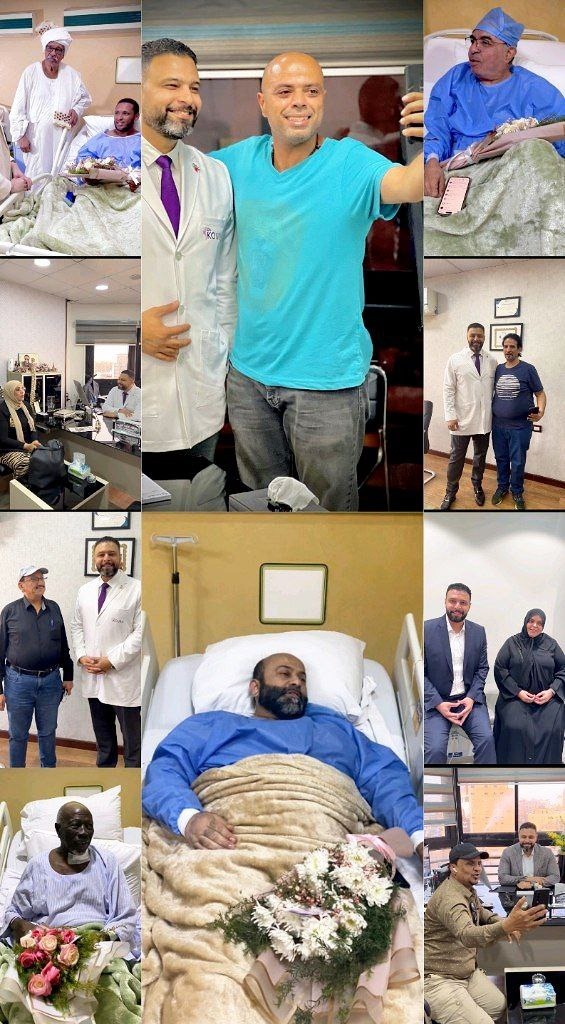
To see patients' reviews
Click hereCervical Disc Herniation: Non-Surgical Treatment in UAE
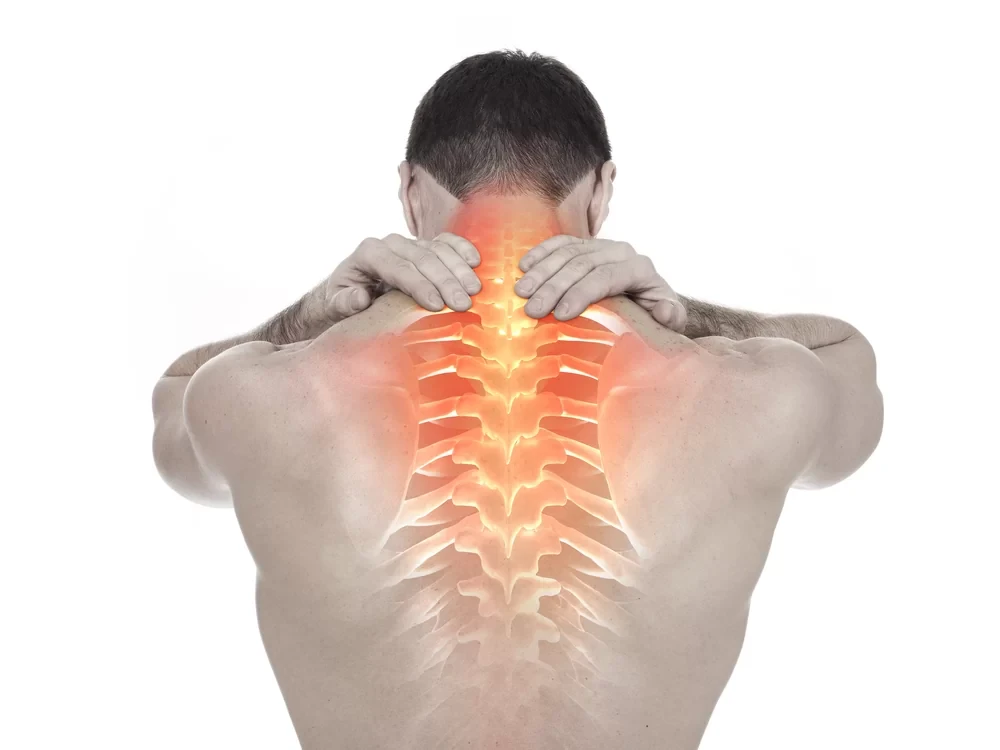
People experience neck pain because cervical disc herniation occurs when the discs between the cervical vertebrae become damaged, worn out, or slip from their normal position. Understanding the symptoms of a herniated disc in the neck is essential, as the condition can cause chronic neck pain, arm numbness, muscle weakness, and reduced mobility. Early diagnosis and timely cervical disc herniation treatment can help prevent complications and improve quality of life.
In this guide, you will learn everything about cervical disc herniation, including its causes, symptoms, diagnosis, and the most effective non-surgical treatment options available today.
What is Cervical Disc Herniation?
Cervical disc herniation, also known as a herniated disc in the neck, occurs when the soft inner material of a cervical disc pushes through its outer layer. These discs act as cushions between the vertebrae and help absorb shock while maintaining flexibility in the cervical spine. When a disc herniates, it may compress nearby nerves, leading to cervical disc pain, numbness, tingling, and muscle weakness.
Symptoms vary depending on the affected nerve. Some patients experience localized neck pain, while others develop pain that radiates into the shoulders, arms, and hands. In more advanced cases, cervical radiculopathy may occur, causing weakness and sensory disturbances in the upper limbs.
The condition is commonly associated with aging, repetitive strain, poor posture, and cervical spondylosis. Seeking evaluation from a neck pain specialist is essential for obtaining an accurate diagnosis and selecting the most appropriate cervical disc treatment.
Factors Leading to Cervical Disc Herniation
The process of cervical herniated disc occurs when multiple factors combine with aging as the primary factor. The disc material undergoes deterioration because of aging which results in decreased disc flexibility. The discs now possess an increased likelihood of experiencing tears and cracks. The development of this condition occurs through direct physical injuries that result from accidents and trauma.
Repetitive physical activities generate excessive pressure on the cervical vertebrae for individuals who perform heavy lifting and constant bending in their jobs. The causes of cervical herniated disc also include genetic factors together with other risk elements.
The condition develops with increased probability when people adopt unhealthy habits which include maintaining improper sitting positions during extended periods and failing to engage in regular physical activity. Cervical disc herniation can develop due to several factors, with age-related degeneration being one of the most common causes. As people age, the cervical discs gradually lose flexibility and hydration, making them more vulnerable to tears and herniation.
Symptoms of Cervical Disc Herniation
Symptoms of cervical disc herniation can have a significant impact on a patient's quality of life, affecting daily activities, work performance, and overall well-being.
Common symptoms include:
- Radicular pain: A herniated disc may press on nerve roots, causing sharp pain that extends from the shoulder to the arms and hands, sometimes reaching the fingertips. Patients may experience two types of pain which include electric shock and burning sensation, common in cervical disc pain.
- Neuropathy: Pain is sometimes accompanied by tingling and numbness because pressure from nerve root compression prevents proper nerve function.
- Neck pain: Neck pain is one of the most common symptoms, which people experience through back neck pain and side neck pain.
- Headaches: Cervical disc herniation can trigger headaches through muscle tension and nerve inflammation.
- Muscle weakness: Patients will show weakness in their muscles which connect to the affected nerve.
Guidelines for Cervical Disc Herniation Patients
Here are the guidelines provide effective methods for patients with this condition to achieve pain relief and symptom control through nonmedical approaches and neck exercises:
- Short bed rest of up to two days helps decrease pain but patients should avoid extended rest because it causes neck stiffness.
- Patients need to stay away from activities that involve heavy weightlifting.
- People need to maintain proper posture to avoid worsening neck pain.
- The best sleeping arrangement uses a neck-supporting pillow.
- People can practice basic cervical herniated disc exercises to improve flexibility.
- Medications such as medication for cervical herniated disc may help reduce pain and inflammation.
Can Cervical Disc Herniation Be Cured?
Patients seeking cervical disc herniation treatment in UAE have access to a wide range of non-surgical and minimally invasive treatment options. The most effective treatment approach depends on the severity of symptoms, the location of the herniated disc, imaging findings, and the patient's overall health condition. In many cases, patients can achieve significant pain relief and restore normal function without the need for major surgery.
- Medication therapy: This therapy uses pain relievers together with non-steroidal anti-inflammatory drugs and muscle relaxants to decrease cervical disc pain while enhancing the patient’s health condition as part of medication for cervical herniated disc.
- Physical therapy: This therapy aims to develop neck muscle strength while enhancing range of motion which leads to reduced symptoms and better movement capabilities through cervical herniated disc exercises and neck exercises.
- Cervical nerve root injections: Local injections for cervical nerve roots which deliver painkillers and anti-inflammatory agents will provide neck pain treatment and reduce inflammation.
- Radiofrequency ablation: This method delivers enduring relief from chronic pain and is considered a radiofrequency treatment for cervical disc.
- Surgery: The surgical procedure becomes essential for treating severe cases which remain unresponsive to standard medical methods because it assists in relieving nerve and spinal cord pressure. The herniated disc can be effectively removed or repaired through minimally invasive surgical techniques such as endoscopic treatment for neck pain.
These treatment options make cervical disc herniation treatment in UAE highly effective for many patients, helping them reduce pain, improve mobility, and return to their daily activities with confidence.
Types of Cervical Disc Herniation
Cervical disc herniation happens when the cervical spine disc cartilage sustains damage or tears which results in the inward movement of its gel-like core material. The condition presents itself through multiple types of cervical herniated disc symptoms which vary in their severity and body impact.
Mild protrusion: A disc bulge develops during initial stages which creates slight nerve pressure because of its small size. Patients may feel mild neck pain or general discomfort in the neck, without significant changes in mobility.
Full herniation: The condition becomes worse because most of the disc gel material escapes from its boundaries, which results in direct pressure against the spinal nerves. The stage produces symptoms which include sharp arm pain and upper body weakness which occurs together with numbness, common in cervical disc pain.
Spinal cord involvement: Severe herniated discs cause spinal cord compression which results in dangerous neurological symptoms that lead to balance issues and loss of sensation in the limbs and walking difficulties. General weakness enables people to lose their ability to control small movements related to cervical spondylosis complications.
- Structural deformities: Herniated discs create permanent changes to the spine which lead to both structural alterations and calcification, which become visible through X-ray and MRI imaging. The changes show how the condition has advanced which enables doctors to select suitable cervical disc treatment methods.
- Understanding these types helps patients recognize the severity of their condition and the need to seek appropriate treatment for cervical herniated disc without surgery in a timely manner.
Signs of Recovery from Cervical Disc Herniation
After discussing the possibility of recovery from cervical disc herniation, it’s important to recognize the signs of recovery, which include:
- Disappearance of symptoms: The patient experiences progressive loss of herniated disc symptoms which used to cause him distress.
- Restoration of normal movement: The patient regains normal neck movement which allows him to bend and turn his head without experiencing any limitations or discomfort.
- Improved ability to perform daily activities: The patient can now complete everyday activities because he no longer suffers from the pain and tension which used to restrict him.
- Muscle strengthening: The patient observes that his affected muscles have gained strength which enables better neck support and decreases the risk of future injuries.
- Better sleep quality: The patient achieves more restful sleep because he experiences no severe pain or muscle spasms which leads to better overall health.
The signs indicate positive recovery progress which allows the patient to return to their active healthy lifestyle.
The study results show that patients with cervical disc herniation face significant challenges when they try to maintain their regular daily activities. The available treatment options are diverse, and it is important to choose the best treatment for cervical disc herniation based on the patient's condition and specialist recommendations.
Dr. Mohamed koura is here to assist you using the latest therapeutic techniques, including thermal radiofrequency and laser treatments for spinal pain without surgery—book your appointment now from here.
Why Choose Dr. Mohamed Koura ?
Simply because he is the best doctor in his feild. He stays updated on the latest treatment technologies through his participation in various international conferences with leading foreign doctors and experts. Finally, and most importantly, Dr. Mohamed Koura is the best doctor in Egypt and the Arab world, possessing 12 non-surgical techniques for treating spinal and joint problems. He was the first to introduce modern interventional treatment techniques in Egypt & the Middle East and is the only one using the disc fx technique to treat spinal pain.
To see patients' reviews
Click hereCervical disc herniation occurs when a disc in the neck presses on nearby nerves, causing neck, shoulder, and arm pain.
Symptoms may include neck pain, numbness in the arm or hand, muscle weakness, headaches, and pain radiating to the shoulder and arm.
Yes, many cases can be treated without surgery through physical therapy, medications, injections, radiofrequency treatment, and modern pain management techniques.
A life without pain without surgery
Once you book with Dr. Koura
Get rid of pain with just one call… Book your appointment now with Dr. Mohamed Koura, the best pain management doctor and a specialized consultant in spine treatment.
The highest success rates thanks to years of experience and scientific development
Using the latest non-surgical technologies available in Egypt and the Middle East
The largest team specialized in treating spine and joint pain without surgery



























Services
Our Branches
- Egypt
- +201210577770
- 54, intersection of Al-Batal Ahmed Abdel Aziz Street with the League of Arab States, above Qatar National Bank - Mohandiseen - Giza
- Dubai
- +971501232065
- Dubai Healthcare City Phase 2 - Al Jaddaf - Dubai - United Arab Emirates
- Libya
- +218934802987
- Ghairan rood, Janzur, ,Tripoli, Libya