 العربية
 English


To see patients' reviews
Click hereNeck headache
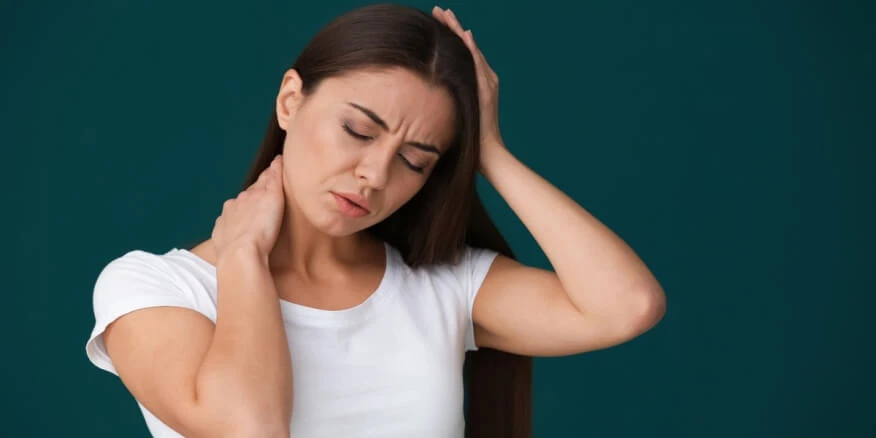

What is Neck Headache?
A cervicogenic headache is a type of headache that originates from problems affecting the neck, cervical spine, joints, muscles, or surrounding nerves. Unlike primary headaches, the pain is related to an underlying problem in the neck.
A headache at the base of the skull may be one of the most noticeable symptoms. The pain can start at the upper neck or back of the head and spread toward the forehead, temple, or behind the eye. Some people may also experience neck stiffness, reduced neck movement, or pain that becomes worse when moving the neck.
A headache caused by neck problems can develop for different reasons, including muscle tension, cervical spine disorders, arthritis, or disc problems. Identifying the underlying cause is important for choosing an appropriate treatment plan.
Common Causes of Neck Headache
- Muscle strain caused by poor posture for a long time, for example typing on computers or smartphones.
- Trauma or injuries to the neck, such as whiplash or twisting the neck unexpectedly.
- Arthritis in the neck such as cervical spondylosis, it may cause pressure to nerves.
- Disc herniation can cause nerves to be pressed.
- Mental strain or stress can cause the muscles of the neck to tighten up.
Common Causes of Cervicogenic Headache
Several conditions can contribute to a cervicogenic headache or pain at the base of the skull, including:
- Poor posture: Spending long periods looking down at a phone or working at a computer can place additional stress on the neck muscles and cervical spine.
- Neck injuries: Whiplash and other injuries may affect the muscles, joints, and nerves of the neck.
- Cervical spondylosis: Age-related changes in the cervical spine can contribute to neck pain and headache symptoms.
- Cervical disc herniation: A damaged or herniated disc may irritate nearby nerves and contribute to neck and head pain.
- Muscle tension: Tight muscles in the neck and upper shoulders may contribute to a headache at the back of the head.
- Stress: Psychological stress can increase muscle tension and may worsen existing neck and headache symptoms.
Understanding the underlying cause is important because headache starting at the base of the skull can have different causes and may require different treatment approaches.
Cervicogenic Headache Symptoms
Symptoms can vary depending on the underlying neck problem. Common symptoms include:
- Headache at the base of the skull or upper neck.
- Base of skull headache that may spread toward the forehead, temple, or eye.
- Pain or stiffness in the neck.
- Reduced range of motion in the neck.
- Back of head and neck pain that may become worse with certain neck movements.
- Tenderness around the upper neck or base of the skull.
- Pain that may affect one side of the head more than the other.
- A severe headache at the back of the head in some cases.
Some patients may describe the pain as pressure, aching, or a throbbing headache at the back of the head. However, the character and intensity of the pain can vary from person to person.
How Is a Cervicogenic Headache Diagnosed?
Diagnosing a cervicogenic headache involves evaluating the patient's symptoms, medical history, and neck function. A doctor may examine the cervical spine, neck movement, muscle tenderness, and neurological function.
Depending on the symptoms, diagnostic imaging such as X-rays, MRI, or other investigations may be recommended to identify conditions affecting the cervical spine.
Because a headache at the base of the skull can also occur with other types of headaches or medical conditions, an accurate diagnosis is important before starting treatment.
Home Remedies for Neck Headache
- Rest and limit any movements that increase neck pain and headache pain associated with cervicogenic headache.
- Place a cold or warm compress on your neck to help relieve muscle tension and Spinal pain.
- Gently massage the neck to relieve muscular tension and improve pain management.
- Improve posture by using proper sitting arrangements, supportive chairs, and pillow supports to reduce strain on the cervical spine.
- Use simple pain relief medications such as paracetamol and ibuprofen as part of conservative non-surgical treatment for head pain and neck discomfort.
When to See a Doctor for Neck Headache
- Persistent or progressing headache pain over time, especially in cases of cervicogenic headache or chronic head pain.
- Very intense headaches that are not responsive to home remedies or standard pain management methods.
- Accompanying symptoms such as arm weakness, numbness, or loss of balance related to cervical spine problems and Spinal pain.
- Recent trauma or accident affecting the neck or spine requiring urgent spine treatment evaluation.
- Pain that interferes significantly with everyday life and may require advanced non-surgical treatment and specialist assessment.
Best Exercises to Relieve Neck Headache
- Head extensions: Sitting straight, bring the head forward and back to improve neck mobility and reduce neck pain associated with cervicogenic headache.
- Circular head movements: Slow clockwise and counter-clockwise head movements help relieve muscle tension, Spinal pain, and stiffness in the cervical spine.
- Side neck stretch: Bring the ear toward the shoulder for a couple of seconds to reduce headache pain and improve flexibility.
- Shoulder shrugs: Raise shoulders up and down slowly to relieve tension in the neck and shoulder muscles as part of conservative pain management and non-surgical treatment.
Neck Headache Treatment Using Modern Techniques like Radiofrequency Ablation
Radiofrequency ablation can be a very helpful way to treat chronic headaches coming from the neck.
Procedure:
- Fine wires are inserted into areas of the neck spine where pain signals are coming from.
- Radiofrequency waves from other wires are applied to these pain nerves.
Relief:
- Provide long lasting pain relief.
- Is safe and minimally invasive.
Tips to Prevent Neck Headache and Improve Quality of Life
- Hold the correct posture while sitting, standing, and sleeping to reduce neck pain, Spinal pain, and cervicogenic headache symptoms.
- Regularly take rest breaks when working for long periods to reduce strain on the cervical spine and improve pain management.
- Sleep with an appropriate pillow to maintain good neck positioning and reduce headache pain and stiffness.
- Regular exercise helps strengthen neck muscles and improve flexibility of the neck as part of conservative non-surgical treatment.
- Cope with stress through breathing exercises or Yoga to reduce muscle tension and chronic head pain.
- Avoid heavy work involving lifting to prevent worsening of neck pain, Spine pain, and cervical spine problems.
Dr. Mohamed Koura is here to assist you using the latest therapeutic techniques, including thermal radiofrequency and laser treatments for spinal pain without surgery—book your appointment now from here.
Why Choose Dr. Mohamed Koura ?
Simply because he is the best doctor in his feild. He stays updated on the latest treatment technologies through his participation in various international conferences with leading foreign doctors and experts. Finally, and most importantly, Dr. Mohamed Koura is the best doctor in Egypt and the Arab world, possessing 12 non-surgical techniques for treating spinal and joint problems. He was the first to introduce modern interventional treatment techniques in Egypt & the Middle East and is the only one using the disc fx technique to treat spinal pain.
To see patients' reviews
Click hereA cervicogenic headache is a type of secondary headache caused by problems in the cervical spine (neck vertebrae), muscles, or nerves. It usually starts at the back of the head or neck and then spreads to other areas of the head.
You can suspect a neck-related headache if the pain starts from the back of the head, is accompanied by neck or shoulder stiffness, and worsens with neck movement or prolonged poor posture, such as using a phone or computer. It may also radiate to the eye or cause mild dizziness.
Common causes include muscle strain from poor posture, cervical disc herniation, cervical spondylosis (wear and tear of the neck joints), neck injuries or whiplash, and stress or anxiety that leads to muscle tension in the neck and shoulders.
Yes, neck problems can cause both headache and dizziness. Muscle tension or nerve compression in the cervical spine may affect blood flow and nerve signals to the head, leading to pain in the back of the head and a feeling of imbalance or dizziness.
Treatment depends on the underlying cause and may include rest, posture correction, physical therapy, pain medications, and lifestyle changes. In more advanced cases, interventional treatments such as nerve blocks or radiofrequency therapy may be used to relieve pain.
You should consult a doctor if the headache is persistent, recurrent, severe, or accompanied by symptoms such as numbness, arm weakness, dizziness, or if it affects your daily life. Early diagnosis helps ensure proper treatment and prevents worsening of the condition.
A life without pain without surgery
Once you book with Dr. Koura
Get rid of pain with just one call… Book your appointment now with Dr. Mohamed Koura, the best pain management doctor and a specialized consultant in spine treatment.
The highest success rates thanks to years of experience and scientific development
Using the latest non-surgical technologies available in Egypt and the Middle East
The largest team specialized in treating spine and joint pain without surgery

































Services
Our Branches
- Egypt - El Mohandssen
- +201210577770
- 54, intersection of Al-Batal Ahmed Abdel Aziz Street with the League of Arab States, above Qatar National Bank - Mohandiseen - Giza
- Dubai
- +971501232065
- Dubai Healthcare City Phase 2 - Al Jaddaf - Dubai - United Arab Emirates
- Al Sheikh Zayed
- 00201067303035
- ، First Al Sheikh Zayed, Giza Governorate