 العربية
 English

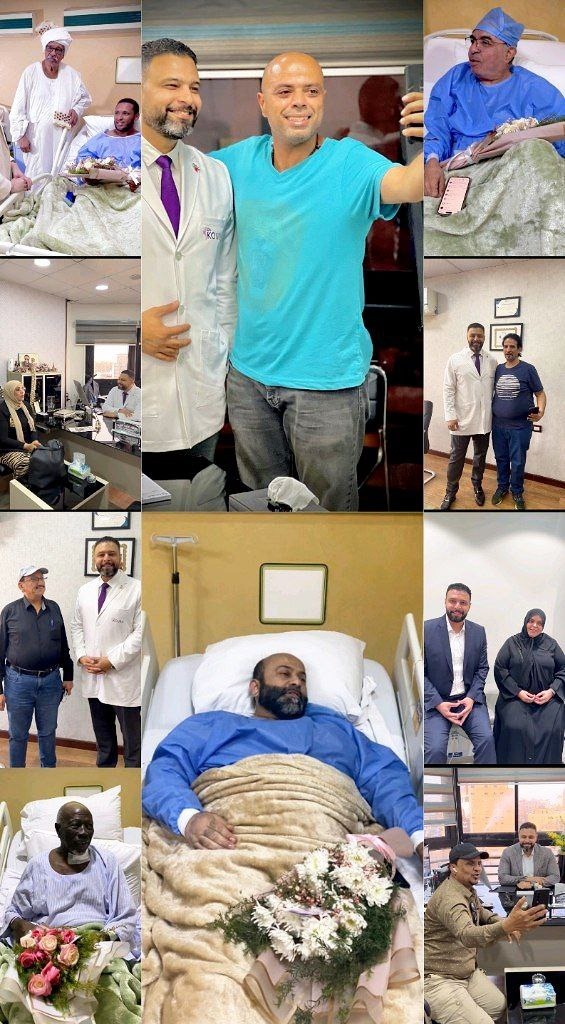
To see patients' reviews
Click hereHerniated Disc Recovery Mistakes


Many people suffer from herniated discs and search every day for the fastest way to relieve pain and return to their normal lives. However, what many do not realize is that some simple daily habits may actually be the main reason behind delayed recovery and increased pressure on the vertebrae and nerves. In many cases, the issue is not the treatment itself, but repeated mistakes that prevent the body from healing naturally.
With the development of the latest non-surgical pain treatment techniques, many herniated disc cases can now be treated without surgery. However, successful treatment depends greatly on the patient’s commitment and avoiding the wrong habits that may irritate the disc again. So, if you are wondering why the pain continues, looking for mistakes that prevent herniated disc recovery, or asking whether a herniated disc can heal without surgery, keep reading because some daily habits may be the hidden reason behind your delayed recovery.
Ignoring Rest or Overdoing It
One of the most common mistakes that prevent herniated disc healing is staying in bed for long periods, believing that complete rest will help recovery. In reality, lack of movement for extended periods weakens the muscles surrounding the spine and increases stiffness in the vertebrae. On the other hand, returning too quickly to intense movement or lifting heavy objects may increase pressure on the disc.
Balance is the key. Herniated disc patients need light and regular movement while following the doctor’s instructions, especially since treatment varies depending on the degree of the herniated disc and the severity of nerve compression.
Neglecting Physical Therapy
Some patients stop physical therapy sessions as soon as the pain slightly improves, which is a major mistake. Pain relief does not mean the disc has fully healed. Physical therapy is not only for pain reduction; it also strengthens the muscles that support the spine, improves posture, and reduces the chances of the problem returning.
That is why specialists such as Dr. Mohamed Koura always emphasize completing the full treatment plan even after noticeable improvement.
Sitting Incorrectly for Long Periods
Poor sitting posture while using a computer or mobile phone is one of the main reasons why disc recovery slows down. Constant bending forward increases pressure on the lumbar and cervical vertebrae, which may worsen pain and numbness over time.
If you work for long hours, try changing your sitting position regularly, use a supportive chair, and take short movement breaks every hour. These small details can make a significant difference in your recovery journey.
Lifting Heavy Objects Incorrectly
Even after improvement begins, some people make the mistake of lifting heavy objects or bending suddenly, which may irritate the nerves and disc again. Many patients think that once the pain disappears, the problem is gone, but the disc needs enough time to recover completely and regain stability.
Learning the correct way to move and bend is essential to avoid placing extra pressure on the spine during treatment.
Relying Only on Painkillers
Painkillers may temporarily reduce pain, but they do not treat the root cause of the problem. Some patients continue taking medication for weeks or months without seeking actual treatment, which may gradually worsen the condition.
Today, there are advanced options among the latest non-surgical pain treatment techniques, such as radiofrequency ablation, nerve injections, and minimally invasive procedures that help reduce inflammation and improve movement without surgery in many cases.
Weight Gain and Lack of Physical Activity
Every extra kilogram places additional pressure on the spine, especially the lumbar vertebrae. Obesity is one of the major factors that delay recovery. In addition, poor physical fitness weakens the muscles responsible for supporting the vertebrae properly.
Following a healthy diet and maintaining suitable physical activity can greatly reduce pressure on the disc and improve treatment outcomes.
Ignoring Warning Symptoms
Some patients ignore important symptoms such as foot weakness, increased numbness, or gradual loss of sensation and delay visiting a doctor for a long time. This delay may lead to complications that require faster medical intervention.
Therefore, if severe symptoms appear or the pain continues for a long period, it is important to consult a specialist or search for the best herniated disc doctor to accurately evaluate the condition and determine the appropriate treatment according to the severity of the case.
How Do You Know Your Condition Is Improving?
Many patients ask about the signs of herniated disc recovery. Some of the most important signs include:
Gradual improvement in movement, reduced numbness, the ability to sit or walk for longer periods without severe pain, improved sleep, and reduced dependence on painkillers. Returning to normal daily activities is also a good sign that the treatment is working.
However, recovery requires time and patience, and improvement varies from person to person depending on age, overall health, and the severity of the condition.
Does Every Herniated Disc Case Require Surgery?
The answer is no. Many cases can be treated without surgery, especially with early diagnosis and modern treatment techniques. The right treatment depends on the degree of the herniated disc and how much it affects the nerves and movement.
In recent years, treatment methods have advanced significantly, and non-surgical interventions have become an effective option for many patients, especially when supervised by a specialist experienced in pain management and minimally invasive procedures.
Recovery from a herniated disc does not depend only on medication or therapy sessions. It also depends on daily lifestyle habits and avoiding behaviors that put pressure on the spine. Many patients notice major improvement simply by correcting their sitting posture, movement habits, and following the right treatment plan.
If you continue to suffer from pain or are searching for mistakes that prevent herniated disc healing, do not ignore the symptoms or rely only on painkillers. Instead, consult a specialist to identify the real cause and create an appropriate treatment plan using the latest non-surgical pain treatment techniques to achieve the best possible results.
Dr. Mohamed koura is here to assist you using the latest therapeutic techniques, including thermal radiofrequency and laser treatments for spinal pain without surgery—book your appointment now from here.
Why Choose Dr. Mohamed Koura ?
Simply because he is the best doctor in his feild. He stays updated on the latest treatment technologies through his participation in various international conferences with leading foreign doctors and experts. Finally, and most importantly, Dr. Mohamed Koura is the best doctor in Egypt and the Arab world, possessing 12 non-surgical techniques for treating spinal and joint problems. He was the first to introduce modern interventional treatment techniques in Egypt & the Middle East and is the only one using the disc fx technique to treat spinal pain.
To see patients' reviews
Click hereIf the pain is accompanied by severe swelling, knee weakness, difficulty walking, persistent sharp pain, or inability to bend the knee, you should visit Dr. Mohamed Koura Center immediately for evaluation and an urgent treatment plan.
Pain management is a medical specialty focused on diagnosing and treating chronic and acute pain conditions such as spine pain, herniated discs, headaches, joint pain, and nerve pain using medications, physical therapy, and advanced non-surgical techniques.
Yes, many cases of herniated discs can be treated without surgery through physical therapy, medications, therapeutic injections, and radiofrequency treatment, especially when diagnosed early and treated with the appropriate care plan.
The latest non-surgical pain treatment techniques include radiofrequency therapy, interventional injections, platelet-rich plasma (PRP) injections, specialized physical therapy, and minimally invasive treatments that help reduce inflammation and improve movement without surgery.
Yes, radiofrequency treatment is considered a safe and effective technique for pain relief. It is performed under specialized medical supervision to reduce pain and nerve pressure without surgery, with a relatively quick recovery period.
The treatment duration depends on the cause and severity of the condition, but many patients notice gradual improvement within a few weeks when following the treatment plan, physical therapy, and daily care instructions.
Physical therapy plays an important role in improving movement and strengthening muscles, but in some advanced cases it may not be enough on its own. Additional treatments such as injections or radiofrequency therapy may be needed depending on the doctor’s evaluation.
A herniated disc occurs when the disc presses on the nerves, while spinal osteoarthritis is caused by the gradual wear and tear of the joints and cartilage. Both conditions can cause neck or back pain, but the treatment approach differs depending on the diagnosis.
Yes, many cases of knee osteoarthritis can be treated without surgery using therapeutic injections, physical therapy, muscle-strengthening exercises, and advanced pain management techniques that help reduce inflammation and improve movement.
A patient may need arthroscopic neck treatment when neck pain persists for a long time, or when there is nerve compression, arm numbness, weakness, or no improvement with conservative treatment.
Yes, many types of headaches can be treated without surgery using medications, physical therapy, radiofrequency treatment, and therapeutic injections that help reduce pain and improve quality of life.
You should visit the best doctor for headache treatment if headaches occur frequently, become severe, affect your daily life, or do not improve with regular painkillers.
The latest treatments for chronic headaches include radiofrequency therapy, interventional nerve treatments, physical therapy, and identifying headache triggers to reduce the frequency of attacks and improve the condition significantly.
نعم، قد تسبب مشاكل فقرات الرقبة أو شد العضلات صداعًا مستمرًا، خاصة الصداع الخلفي أو الصداع المرتبط بالتوتر نتيجة الضغط على الأعصاب والعضلات.
A life without pain without surgery
Once you book with Dr. Koura
Get rid of pain with just one call… Book your appointment now with Dr. Mohamed Koura, the best pain management doctor and a specialized consultant in spine treatment.
The highest success rates thanks to years of experience and scientific development
Using the latest non-surgical technologies available in Egypt and the Middle East
The largest team specialized in treating spine and joint pain without surgery

































Services
Our Branches
- Egypt - El Mohandssen
- +201210577770
- 54, intersection of Al-Batal Ahmed Abdel Aziz Street with the League of Arab States, above Qatar National Bank - Mohandiseen - Giza
- Al Sheikh Zayed
- 00201067303035
- ، First Al Sheikh Zayed, Giza Governorate
- Dubai
- +971501232065
- Dubai Healthcare City Phase 2 - Al Jaddaf - Dubai - United Arab Emirates