 العربية
 English

To see patients' reviews
Click hereWhat Is Shingles? Symptoms & Treatment
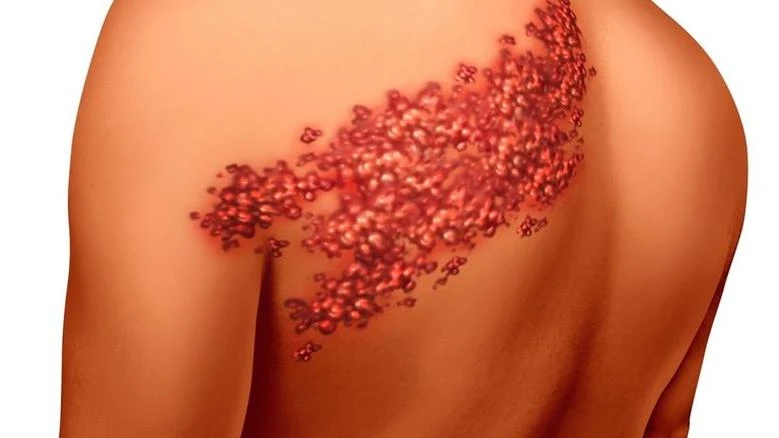

Shingles, also known as Herpes Zoster, is a condition that affects both the nerves and the skin as a result of the reactivation of a virus that has remained dormant in the body for years. It typically begins with intense nerve pain that appears before any visible skin rash, which can make the early stage confusing and easily mistaken for other common conditions such as muscle pain or back and spinal discomfort.
Although shingles may appear mild in some cases, ignoring the early symptoms or delaying diagnosis can lead to uncomfortable and sometimes long-lasting complications that affect a person’s quality of life. For this reason, it is important to understand the nature of the disease, recognize its symptoms, identify its causes, and know how it spreads. Equally important is learning how to manage it properly and take the right precautions to reduce the risk of transmission and prevent long-term effects. In some cases, shingles treatment using radiofrequency may be considered to help manage persistent nerve pain after the infection has healed.
Symptoms of Shingles
Symptoms of shingles usually develop gradually. The condition often begins with nerve pain that can initially feel similar to common problems such as Lower Back Pain or neck and shoulder pain, which may lead to confusion with other causes like spinal or musculoskeletal disorders. Later, a skin rash appears in the same affected area, typically in a distinct stripe on one side of the body, which helps differentiate it from other types of pain conditions.
Common Symptoms of Shingles
The most common symptoms of shingles appear clearly as a painful skin rash caused by nerve inflammation. At first, it may still be mistaken for conditions like back or neck pain, but as the condition progresses, the signs become more recognizable and easier to identify.
- Burning pain or tingling sensation in a specific area of the body
- Red rash that appears in a stripe-like pattern
- Fluid-filled blisters or small vesicles
- Itching or skin irritation
- Increased sensitivity to touch in the affected area
- Numbness or tingling before the rash develops
Uncommon Symptoms of Shingles
In some cases, shingles is not limited to skin symptoms only. General or unusual signs may appear, making early diagnosis more challenging, especially in the early stages or in certain individuals.
These may include:
- Persistent headache or feeling of head pressure
- General fatigue without a clear reason
- Mild fever
- Sensitivity to light
- Muscle pain
- Nerve pain without any visible rash
- Sensations similar to neck or shoulder pain without an obvious cause
Symptoms That Require Medical Attention
Visiting a doctor is important at all stages of shingles, especially for pain control and monitoring the condition. However, certain symptoms require immediate medical attention to avoid serious complications.
Seek medical help if you experience:
- Rash near the eyes or face
- Severe, sudden, or unbearable pain
- Rapid spread of the rash or involvement of multiple areas
- Vision problems or blurred vision
- Persistent pain even after the rash has healed
- High fever
- Severe symptoms in elderly patients or those with weakened immunity
- Strong pain that may resemble spinal or back-related conditions
Causes of Shingles
Shingles occurs due to the reactivation of the Varicella-Zoster virus, the same virus responsible for chickenpox. After a person recovers from chickenpox, the virus does not completely leave the body; instead, it remains dormant inside the nerve tissues for many years without causing any symptoms.
When the immune system becomes weakened or exposed to certain triggers, the virus can reactivate and travel along the nerves, leading to the development of a painful skin rash. In many cases, the early pain may feel similar to back pain or neck pain because of nerve involvement, before the characteristic rash becomes visible.
Common triggers and risk factors:
- Weakened immune system
- Aging
- Psychological stress and emotional pressure
- Chronic diseases
- Use of immunosuppressive medications
- Fatigue and lack of sleep
Complications of Shingles
In some cases, shingles does not fully resolve once the skin rash disappears. It may leave long-lasting effects on the nerves or skin, especially if the condition is not treated early. The severity of complications varies depending on age and immune system strength.
Possible complications:
- Long-term nerve pain after healing (post-herpetic neuralgia)
- Increased skin sensitivity in the affected area
- Skin discoloration or scarring
- Secondary bacterial skin infections
- Eye problems or vision impairment if the face is involved
- Persistent pain that may resemble spinal or back-related pain
Risk Factors for Shingles
The risk of developing shingles varies from person to person, but it increases significantly in certain groups due to immune system function and lifestyle factors. Since the virus remains dormant after chickenpox infection, any condition that weakens immunity can trigger its reactivation.
The risk increases with:
- Older age, especially above 50
- Weak immune system
- Chronic illnesses
- High levels of stress
- Immunosuppressive medications
- Poor sleep and physical exhaustion
Understanding these risk factors helps with early awareness of symptoms and encourages timely medical consultation for proper pain management and treatment.
Is Shingles Contagious?
Shingles itself is not directly contagious in the form of shingles. However, the virus can be transmitted through direct contact with the fluid inside the blisters during the active phase of the rash. If a person who has never had chickenpox is exposed, they may develop chickenpox—not shingles.
The risk of transmission is mainly limited to the active blister stage and significantly decreases once the blisters dry and crust over.
How to Prevent Infection When Caring for a Shingles Patient
Caring for someone with shingles requires simple precautions to reduce the risk of viral transmission, especially during the active rash stage when the blisters contain infectious fluid. The main goal is to prevent the spread of the varicella-zoster virus to individuals who have never had chickenpox.
Prevention measures:
- Avoid direct contact with the rash or blisters
- Do not share personal items such as towels or clothing
- Keep the affected area covered with a clean dressing when possible
- Wash hands thoroughly with soap and water after any contact
- Avoid close contact with pregnant women, children, and immunocompromised individuals
- Maintain good hygiene and regularly wash clothes and bedding
Dr. Mohamed koura is here to assist you using the latest therapeutic techniques, including thermal radiofrequency and laser treatments for spinal pain without surgery—book your appointment now from here.
Why Choose Dr. Mohamed Koura ?
Simply because he is the best doctor in his feild. He stays updated on the latest treatment technologies through his participation in various international conferences with leading foreign doctors and experts. Finally, and most importantly, Dr. Mohamed Koura is the best doctor in Egypt and the Arab world, possessing 12 non-surgical techniques for treating spinal and joint problems. He was the first to introduce modern interventional treatment techniques in Egypt & the Middle East and is the only one using the disc fx technique to treat spinal pain.
To see patients' reviews
Click hereIf the pain is accompanied by severe swelling, knee weakness, difficulty walking, persistent sharp pain, or inability to bend the knee, you should visit Dr. Mohamed Koura Center immediately for evaluation and an urgent treatment plan.
Pain management is a medical specialty focused on diagnosing and treating chronic and acute pain conditions such as spine pain, herniated discs, headaches, joint pain, and nerve pain using medications, physical therapy, and advanced non-surgical techniques.
Yes, many cases of herniated discs can be treated without surgery through physical therapy, medications, therapeutic injections, and radiofrequency treatment, especially when diagnosed early and treated with the appropriate care plan.
The latest non-surgical pain treatment techniques include radiofrequency therapy, interventional injections, platelet-rich plasma (PRP) injections, specialized physical therapy, and minimally invasive treatments that help reduce inflammation and improve movement without surgery.
Yes, radiofrequency treatment is considered a safe and effective technique for pain relief. It is performed under specialized medical supervision to reduce pain and nerve pressure without surgery, with a relatively quick recovery period.
The treatment duration depends on the cause and severity of the condition, but many patients notice gradual improvement within a few weeks when following the treatment plan, physical therapy, and daily care instructions.
Physical therapy plays an important role in improving movement and strengthening muscles, but in some advanced cases it may not be enough on its own. Additional treatments such as injections or radiofrequency therapy may be needed depending on the doctor’s evaluation.
A herniated disc occurs when the disc presses on the nerves, while spinal osteoarthritis is caused by the gradual wear and tear of the joints and cartilage. Both conditions can cause neck or back pain, but the treatment approach differs depending on the diagnosis.
Yes, many cases of knee osteoarthritis can be treated without surgery using therapeutic injections, physical therapy, muscle-strengthening exercises, and advanced pain management techniques that help reduce inflammation and improve movement.
A patient may need arthroscopic neck treatment when neck pain persists for a long time, or when there is nerve compression, arm numbness, weakness, or no improvement with conservative treatment.
Yes, many types of headaches can be treated without surgery using medications, physical therapy, radiofrequency treatment, and therapeutic injections that help reduce pain and improve quality of life.
You should visit the best doctor for headache treatment if headaches occur frequently, become severe, affect your daily life, or do not improve with regular painkillers.
The latest treatments for chronic headaches include radiofrequency therapy, interventional nerve treatments, physical therapy, and identifying headache triggers to reduce the frequency of attacks and improve the condition significantly.
نعم، قد تسبب مشاكل فقرات الرقبة أو شد العضلات صداعًا مستمرًا، خاصة الصداع الخلفي أو الصداع المرتبط بالتوتر نتيجة الضغط على الأعصاب والعضلات.
A life without pain without surgery
Once you book with Dr. Koura
Get rid of pain with just one call… Book your appointment now with Dr. Mohamed Koura, the best pain management doctor and a specialized consultant in spine treatment.
The highest success rates thanks to years of experience and scientific development
Using the latest non-surgical technologies available in Egypt and the Middle East
The largest team specialized in treating spine and joint pain without surgery

































Services
Our Branches
- Egypt - El Mohandssen
- +201210577770
- 54, intersection of Al-Batal Ahmed Abdel Aziz Street with the League of Arab States, above Qatar National Bank - Mohandiseen - Giza
- Dubai
- +971501232065
- Dubai Healthcare City Phase 2 - Al Jaddaf - Dubai - United Arab Emirates
- Al Sheikh Zayed
- 00201067303035
- ، First Al Sheikh Zayed, Giza Governorate