 العربية
 English

To see patients' reviews
Click hereExercises for treating lower back pain (with pictures)
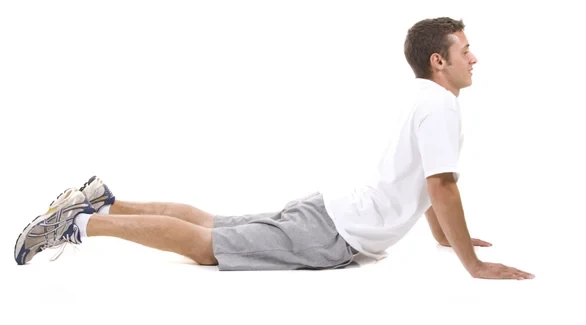

Lower back pain is one of the most common health problems today, affecting people of all ages due to modern lifestyles characterized by prolonged sitting and lack of physical activity. This pain can impair the ability to perform daily tasks normally, negatively impacting quality of life.
While rest may seem like a temporary solution, appropriate exercise is one of the best ways to alleviate and prevent lower back pain and improve the strength and flexibility of the muscles supporting the spine. In this article, we'll review a set of simple and safe exercises that can be done at home, emphasizing the importance of performing them calmly and regularly.
Stretching Exercises to Relieve Lower Back Tension
Muscle tension is a major cause of lower back pain, especially for those who spend long hours sitting. Stretching exercises help relax tight muscles and improve blood flow to the back, gradually reducing pain.
One beneficial exercise is bringing your knees to your chest. This exercise helps reduce pressure on the lumbar vertebrae and provides a feeling of comfort to the back. The exercise is performed by lying on your back with your knees bent and then gently bringing them towards your chest, while maintaining deep, regular breathing for a few seconds.
The seated lower back stretch is also a suitable option for relieving stiffness, especially after a long day at work, as it helps increase muscle flexibility and improve sensation.
Strengthening Exercises for the Muscles Supporting the Spine
In addition to stretching, strengthening exercises play a crucial role in protecting the lower back from recurring pain. Strong muscles surrounding the spine act as a natural support, reducing the pressure on the vertebrae during daily movement.
The bridge exercise is a safe exercise that helps strengthen the lower back and pelvic muscles simultaneously. To perform this exercise, lie on your back with your knees bent and feet flat on the floor. Then, gradually raise your pelvis until your body is in a straight line, holding for a few seconds before slowly returning to the starting position.
With consistent practice of this type of exercise, the muscles begin to regain their strength, reducing fatigue during prolonged standing or walking.
Exercises to Improve Flexibility and Daily Movement
Flexibility is essential for maintaining spinal health, as it helps reduce stiffness and lower back pain and improves smooth movement. Gentle movement exercises help activate the vertebrae and prevent muscle stiffness, especially in the morning or after long periods of rest.
A common and beneficial exercise is the cat-cow pose. This exercise gradually and synchronizedly moves the spine in conjunction with breathing. It is performed on the hands and knees, arching the back upwards and then slowly lowering it downwards. This helps relieve tension and improve comfort.
These exercises contribute to improved balance and flexibility and are suitable for most people when performed without strain or sudden movements.
Lower back exercises are an effective way to support spinal health and alleviate associated pain, especially when practiced regularly and correctly. With patience and consistency, a gradual improvement in pain levels and mobility can be observed.
It is always important to listen to your body's signals and stop any exercise that causes sharp pain. Consult a specialist, such as Dr. Mohamed koura, a leading doctor for treating persistent pain symptoms. Make these exercises a simple part of your daily routine, and you'll find that back care begins with small but impactful steps in the long run.
Dr. Mohamed Koura is here to assist you using the latest therapeutic techniques, including thermal radiofrequency and laser treatments for spinal pain without surgery—book your appointment now from here.
Why Choose Dr. Mohamed Koura ?
Simply because he is the best doctor in his feild. He stays updated on the latest treatment technologies through his participation in various international conferences with leading foreign doctors and experts. Finally, and most importantly, Dr. Mohamed Koura is the best doctor in Egypt and the Arab world, possessing 12 non-surgical techniques for treating spinal and joint problems. He was the first to introduce modern interventional treatment techniques in Egypt & the Middle East and is the only one using the disc fx technique to treat spinal pain.
To see patients' reviews
Click hereIf the pain is accompanied by severe swelling, knee weakness, difficulty walking, persistent sharp pain, or inability to bend the knee, you should visit Dr. Mohamed Koura Center immediately for evaluation and an urgent treatment plan.
Pain management is a medical specialty focused on diagnosing and treating chronic and acute pain conditions such as spine pain, herniated discs, headaches, joint pain, and nerve pain using medications, physical therapy, and advanced non-surgical techniques.
Yes, many cases of herniated discs can be treated without surgery through physical therapy, medications, therapeutic injections, and radiofrequency treatment, especially when diagnosed early and treated with the appropriate care plan.
The latest non-surgical pain treatment techniques include radiofrequency therapy, interventional injections, platelet-rich plasma (PRP) injections, specialized physical therapy, and minimally invasive treatments that help reduce inflammation and improve movement without surgery.
Yes, radiofrequency treatment is considered a safe and effective technique for pain relief. It is performed under specialized medical supervision to reduce pain and nerve pressure without surgery, with a relatively quick recovery period.
The treatment duration depends on the cause and severity of the condition, but many patients notice gradual improvement within a few weeks when following the treatment plan, physical therapy, and daily care instructions.
Physical therapy plays an important role in improving movement and strengthening muscles, but in some advanced cases it may not be enough on its own. Additional treatments such as injections or radiofrequency therapy may be needed depending on the doctor’s evaluation.
A herniated disc occurs when the disc presses on the nerves, while spinal osteoarthritis is caused by the gradual wear and tear of the joints and cartilage. Both conditions can cause neck or back pain, but the treatment approach differs depending on the diagnosis.
Yes, many cases of knee osteoarthritis can be treated without surgery using therapeutic injections, physical therapy, muscle-strengthening exercises, and advanced pain management techniques that help reduce inflammation and improve movement.
A patient may need arthroscopic neck treatment when neck pain persists for a long time, or when there is nerve compression, arm numbness, weakness, or no improvement with conservative treatment.
Yes, many types of headaches can be treated without surgery using medications, physical therapy, radiofrequency treatment, and therapeutic injections that help reduce pain and improve quality of life.
You should visit the best doctor for headache treatment if headaches occur frequently, become severe, affect your daily life, or do not improve with regular painkillers.
The latest treatments for chronic headaches include radiofrequency therapy, interventional nerve treatments, physical therapy, and identifying headache triggers to reduce the frequency of attacks and improve the condition significantly.
نعم، قد تسبب مشاكل فقرات الرقبة أو شد العضلات صداعًا مستمرًا، خاصة الصداع الخلفي أو الصداع المرتبط بالتوتر نتيجة الضغط على الأعصاب والعضلات.
A life without pain without surgery
Once you book with Dr. Koura
Get rid of pain with just one call… Book your appointment now with Dr. Mohamed Koura, the best pain management doctor and a specialized consultant in spine treatment.
The highest success rates thanks to years of experience and scientific development
Using the latest non-surgical technologies available in Egypt and the Middle East
The largest team specialized in treating spine and joint pain without surgery

































Services
Our Branches
- Egypt - El Mohandssen
- +201210577770
- 54, intersection of Al-Batal Ahmed Abdel Aziz Street with the League of Arab States, above Qatar National Bank - Mohandiseen - Giza
- Al Sheikh Zayed
- 00201067303035
- ، First Al Sheikh Zayed, Giza Governorate
- Dubai
- +971501232065
- Dubai Healthcare City Phase 2 - Al Jaddaf - Dubai - United Arab Emirates