 العربية
 English
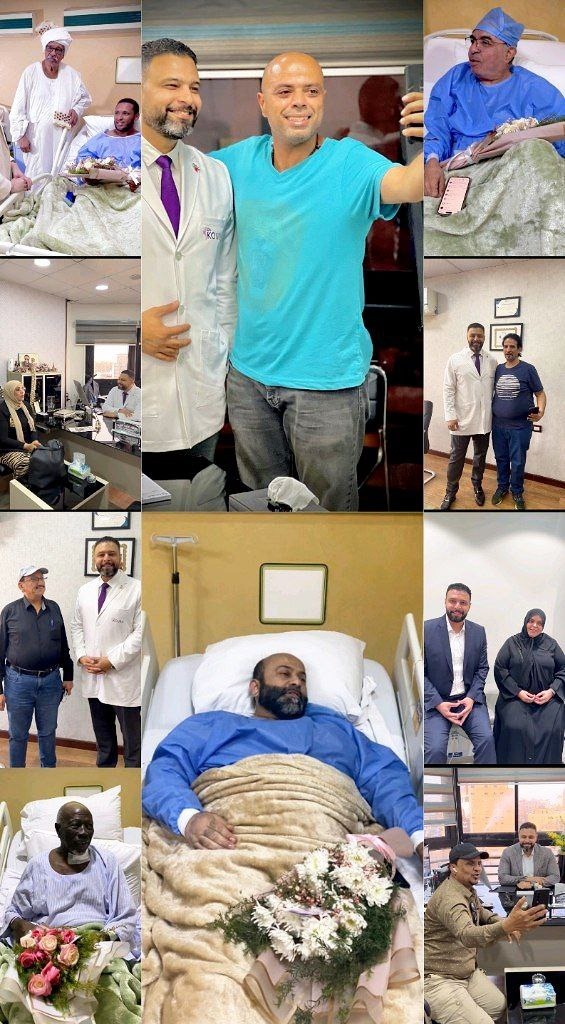
To see patients' reviews
Click hereWhat is a herniated disc
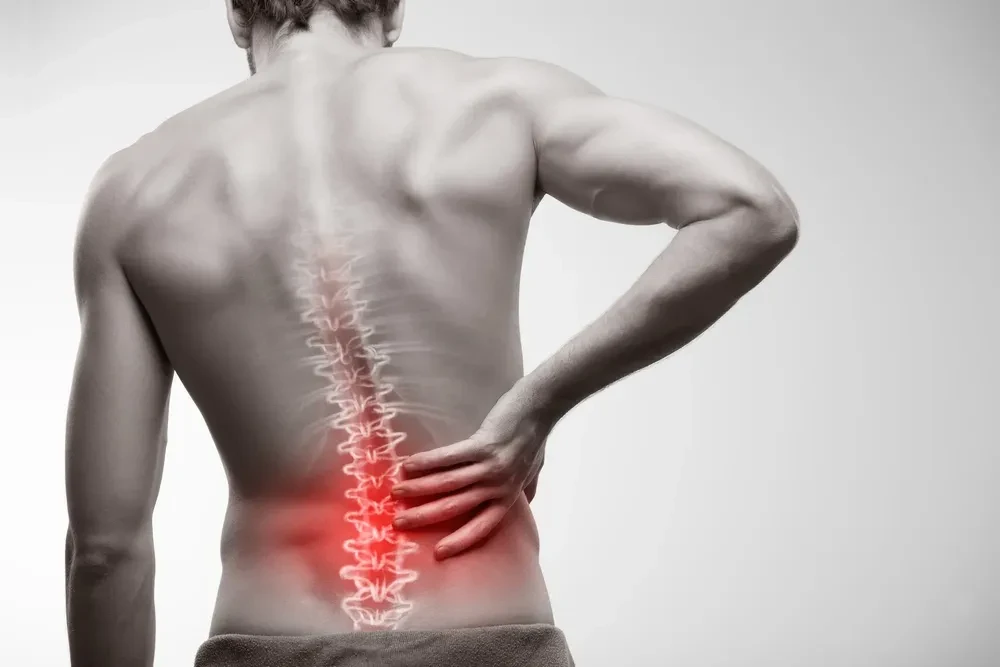
Being the number one cause of pain in neck and back pain, it causes immense trouble as this can interfere with a patients daily life and the ability to move around properly. In recent years, with people adopting an unhealthy lifestyle (mostly by staying seated for prolonged hours and carrying heavy objects the wrong way) the incidence of this condition and related herniated disc symptoms has risen in varying age groups. While there can be unbearable pain associated with it sometimes, with recent changes in the field of medicine, the treatment of a herniated disc without surgery is not only feasible but also efficient in relieving the patient from the severe pain and discomfort it caused.
What is a Herniated Disc?
The disc between the vertebrae in our spinal cord can bulge or get slip out of its place and exerts pressure on the nearby spinal cord which cause the sensation of pain that is transferred to your back, leg, arm, or neck. These herniated disc symptoms may vary depending on the affected area and if severe can have some numb areas and weaken muscle.
Types of Herniated Disc
Herniated discs are classified according to their location:
Lumbar herniated disc: the most common type, affecting the lower back and sometimes extending to the legs, causing Lower Back Herniated Disc Symptoms
- Cervical herniated disc: affects the neck, shoulders, and arms, leading to Cervical Herniated Disc Symptoms
- Thoracic herniated disc: less common, affecting the mid-back
- Disc bulge: an early stage before a full herniation occurs
- The condition is also classified based on severity, from mild to severe, which determines the appropriate treatment plan for each patient.
Causes of Herniated Disc
There are several factors that may lead to a herniated disc, including:
- Aging and reduced disc elasticity
- Lifting heavy objects incorrectly
- Prolonged sitting in poor posture
- Excess body weight and increased spinal pressure
- Injuries or sudden movements
- Weak back muscles supporting the spine
These factors may cause the disc to shift from its normal position, leading to nerve compression and symptoms.
Symptoms of Herniated Disc
Symptoms vary depending on the location and severity of nerve compression and may develop gradually or suddenly.
Lumbar disc herniation (most common):
- Lower back pain that may worsen with movement or sitting
- Pain radiating to the leg (sciatica)
- Numbness or tingling in the leg or foot
- Muscle weakness in some cases
Cervical disc herniation:
- Neck pain that worsens with movement
- Numbness or tingling in the arm or hand
- Weak grip strength or difficulty holding objects
- Headaches in some cases due to nerve compression
General symptoms:
- Increased pain with prolonged sitting or sudden movement
- Difficulty bending or standing for long periods
- Muscle stiffness or reduced mobility
- Reduced ability to perform daily activities
Non-Surgical Treatment of Herniated Disc
More patients now opt for surgery if needed. Usually it is a combination of non-invasive techniques that match the problem as the very first step towards relief from pain and herniated disc symptoms.
Key treatments include:
- Radiofrequency ablation to reduce nerve-related pain by targeting pain-transmitting nerves safely and effectively
- Nerve root injections to reduce inflammation and relieve pressure on the affected nerve
- Physical therapy to strengthen spinal muscles and improve flexibility
- Anti-inflammatory medications to reduce pain and swelling
- Epidural or spinal injections depending on the case
In cases that do not respond to conservative treatment, minimally invasive endoscopic disc surgery may be considered. It is performed through a very small incision using precise tools to remove the pressure-causing disc fragment, with faster recovery compared to traditional surgery.
When is Surgery Needed?
Surgery is only considered in specific cases such as:
- Failure of conservative or interventional treatment
- Severe or progressive muscle weakness
- Loss of sensation or control in limbs
- Large disc herniation causing significant nerve compression
Signs of Recovery from Herniated Disc
Improvement can be observed through:
- Gradual reduction in pain
- Improved mobility
- Decrease or disappearance of numbness
- Ability to sit or stand for longer periods
- Reduced need for pain medication
Best Doctor for Non-Surgical Herniated Disc Treatment
Choosing The Right Doctor The first and most important step is selecting a competent and qualified doctor who can determine the appropriate treatment for you. best doctor for Herniated Disc Treatment Dr. Mohamed Koura, one of the pioneers of the diagnosis and minimally invasive treatment of hernias, utilizes modern technologies such as radio frequency ablation and nerve root injections, and diagnoses the most of cases including the discs herniated without surgery.Based on your current condition, Dr. Mohamed Koura prepares a personalized and unique plan. With interventional imaging techniques, Dr. Koura guarantees achieving great results safely and swiftly. It's a no longer complicated matter now. Herniated discs nowadays can be treated with modern methods and solutions, including medical procedures which are effective without undergoing surgical operation and help relieve herniated disc symptoms. Don't neglect any pain. Consult your doctor to determine the cause and start following the best treatment plan for you to get your daily life back without pain.
Dr. Mohamed koura is here to assist you using the latest therapeutic techniques, including thermal radiofrequency and laser treatments for spinal pain without surgery—book your appointment now from here.
Why Choose Dr. Mohamed Koura ?
Simply because he is the best doctor in his feild. He stays updated on the latest treatment technologies through his participation in various international conferences with leading foreign doctors and experts. Finally, and most importantly, Dr. Mohamed Koura is the best doctor in Egypt and the Arab world, possessing 12 non-surgical techniques for treating spinal and joint problems. He was the first to introduce modern interventional treatment techniques in Egypt & the Middle East and is the only one using the disc fx technique to treat spinal pain.
To see patients' reviews
Click hereA herniated disc occurs when the soft inner part of a spinal disc pushes through its outer layer, placing pressure on nearby nerves. This can cause pain, numbness, tingling, or muscle weakness in the back, neck, arms, or legs, depending on the location of the affected disc.
Common symptoms of a herniated disc include back or neck pain, pain that radiates to the arms or legs, numbness, tingling, muscle weakness, and discomfort that may worsen with movement, prolonged sitting, coughing, or sneezing.
Yes. Many cases of a herniated disc can be treated without surgery using advanced non-surgical techniques such as radiofrequency treatment, nerve root injections, physical therapy, and medication. The most appropriate treatment depends on the severity and location of the condition.
Surgery may be recommended if symptoms do not improve with conservative treatment, or if the patient develops severe muscle weakness, loss of sensation, or significant nerve compression that affects daily function.
Walking can be beneficial for many people with a herniated disc because it helps improve circulation and strengthens the muscles supporting the spine. However, it should be done according to your doctor's recommendations and stopped if it significantly increases pain.
A life without pain without surgery
Once you book with Dr. Koura
Get rid of pain with just one call… Book your appointment now with Dr. Mohamed Koura, the best pain management doctor and a specialized consultant in spine treatment.
The highest success rates thanks to years of experience and scientific development
Using the latest non-surgical technologies available in Egypt and the Middle East
The largest team specialized in treating spine and joint pain without surgery

























Services
Our Branches
- Egypt - El Mohandssen
- +201210577770
- 54, intersection of Al-Batal Ahmed Abdel Aziz Street with the League of Arab States, above Qatar National Bank - Mohandiseen - Giza
- Al Sheikh Zayed
- 00201067303035
- ، First Al Sheikh Zayed, Giza Governorate
- Dubai
- +971501232065
- Dubai Healthcare City Phase 2 - Al Jaddaf - Dubai - United Arab Emirates