 العربية
 English
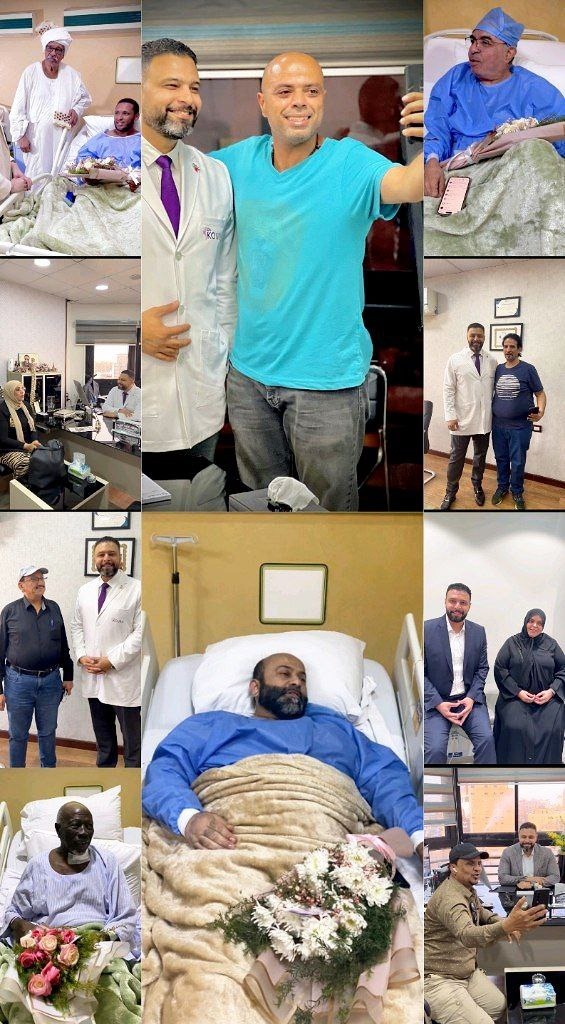
To see patients' reviews
Click hereSciatica Treatment & Radiofrequency Therapy
-webp.webp "Sciatica treatment methods")
Sciatica pain (also called sciatic nerve pain) is among the most common causes of lower back pain that refers to the leg and often requires different Sciatica Treatment Methods depending on the underlying cause. The pain is frequently referred from the lower back to the buttocks and thigh, or even into the leg or toes. Sciatica occurs when the sciatic nerve—which is the longest and largest nerve in the human body and extends from the spine in the lower back to the end of the lower limb—becomes compressed or inflamed. Typically, this is due to a herniated disc in the lower part of the spine, although it can also arise from inflammation of the peripheral nerves, arthritis of the spine, or a direct injury to the pelvis or lower back. Sciatica can occur in both women and men, though it is far more frequent in men and in those suffering from spinal defects or long-term low back pain that may require Lower Back Pain Treatment and specialized Sciatica Treatment.
Causes of Sciatica
Numerous reasons could contribute to sciatica pain; the most frequent and recognized reason is a herniated disc which puts pressure on the nerve roots as the slipped disk moves, resulting in agony which will extend from the back to the leg. Lumbar joint wear and tear/osteoarthritis could also cause aggravation and further symptoms.
In other cases, the cause could be an inflammatory response from the lumbar nerve roots, peripheral nerves (as can happen in diabetes), and indeed from the sympathetic nerve plexus. I must highlight that in some patients nothing may be apparent from X-rays or spinal scans, and despite this, the person may still experience pain because of a mild inflammation of the sciatic nerve itself, which would need an appropriate investigation for proper pain management and Lower Back Pain Treatment. Identifying the exact cause is essential when selecting the most effective Sciatica Treatment Methods, including advanced options such as Radiofrequency Treatment for Sciatica.
Sciatica Symptoms
Sciatica, also known as sciatic nerve pain, is a condition that directly impacts a patient's quality of daily life. The most common symptoms include:
- Pain that begins in the lower back and extends to the thigh, then the leg, and may reach the foot or toes, whether in the right or left leg.
- Numbness or tingling in the leg or foot, with a feeling of numbness.
- A burning sensation or sudden attacks similar to an electric shock along the sciatic nerve.
- Weak leg muscles or difficulty moving and walking normally.
- Problems sitting or standing for long periods due to lower back pain radiating down the leg.
In some cases, sciatica symptoms may overlap with other problems, such as:
- Inflammation of the posterior muscles of the back.
- Osteoarthritis of the hip joint or posterior pelvic joint.
- Therefore, accurately diagnosing the cause of sciatica is a pivotal step in choosing the best treatment method, whether radiofrequency ablation, local injections, or other modern methods.
Different Sciatica Treatment Methods
Sciatica treatment depends on diagnosing the condition and identifying the primary cause of the pain. The most prominent treatment methods are:
1. Radiofrequency Treatment for Sciatica:
Radiofrequency ablation is one of the newest and best non-surgical sciatica treatment methods. Precise heat waves are directed at the pain nerve to reduce irritation and block the transmission of pain signals.
2. Targeted Injection:
Another treatment method for sciatica involves injecting anti-inflammatory drugs or cortisone directly into the nerve roots injection or within the joint to relieve pain and swelling.
3. Physical therapy and strengthening exercises:
To strengthen the lower back muscles, improve flexibility, and relieve pressure on the sciatic nerve.
4. Medications:
Such as anti-inflammatory drugs, muscle relaxants, or medications that control nerve pain signals.
Radiofrequency ablation for sciatica – The best non-surgical option
One of the most effective Sciatica Treatment Methods available today is Radiofrequency Treatment for Sciatica, especially for patients who do not require surgery. Radiofrequency Treatment for Sciatica (RFA) is performed under local anesthesia using a fine needle, without the need for any surgical incision. This advanced procedure is considered one of the most effective interventional techniques used in modern pain management for long-lasting Sciatica Treatment and relief from chronic nerve pain.
Advantages:
- Non-surgical and highly safe.
- No complications or bleeding.
- No hospital stay required.
- No scarring or effects.
- Patients return to normal life within days.
- It is also used to treat osteoarthritis of the hip joint and peripheral nerve inflammation resulting from diabetes.
Advantages of treating lower back pain and sciatica with radiofrequency:
- Performed under local anesthesia only.
- No removal of any vertebrae or muscles.
- Maintains spinal stability.
- Does not cause fibrosis or adhesions.
- The session takes only 20 minutes.
- Patients return to normal life within a week.
- Suitable for most cases without the need for surgery.
Why Dr. Mohamed Koura is the best doctor for treating sciatica.
The number one doctor you should seek for Sciatica Treatment, Lower Back Pain Treatment, and non-surgical pain management is Dr. Mohamed Koura. He has been at the forefront of non-surgical interventional pain procedures and joint therapy for more than 15 years. Through advanced pain management techniques, he has helped improve outcomes for patients suffering from chronic sciatica by utilizing the latest Sciatica Treatment Methods, including Radiofrequency Treatment for Sciatica, without the need for traditional surgery.
Dr. Koura is considered a pioneer in the use of radiofrequency technology to treat sciatica, in addition to using the latest treatment methods, such as:
- Non-surgical liposuction to treat herniated discs.
This is because the Disc FX technology is a completely new and superior technology that Dr.Koura used first in Egypt and Middle East for treating disc herniation. He makes always constant development his favorite key to success. So Dr Mohamed Koura never misses the international medical meetings to get informed about all new advances in this area and what's new is the cure of thousand's of patients without surgery from the pain in their spine and from sciatica pain in few days to get their normal lives back.
So If you have any Chronic or recurring pain at the lower back or you are having any sciatica like symptoms do not waste time to delay in order to prevent a worst evolution, the appropriate lower back pain treatment on an early stage can make the difference in your life. Contact us and take your appointment with Mohamed koura, one of the best spine doctor specialists in spine treatment to get you back to your normal life without any surgical intervention with the use of new medical technology.
Dr. Mohamed Koura is here to assist you using the latest therapeutic techniques, including thermal radiofrequency and laser treatments for spinal pain without surgery—book your appointment now from here.
Why Choose Dr. Mohamed Koura ?
Simply because he is the best doctor in his feild. He stays updated on the latest treatment technologies through his participation in various international conferences with leading foreign doctors and experts. Finally, and most importantly, Dr. Mohamed Koura is the best doctor in Egypt and the Arab world, possessing 12 non-surgical techniques for treating spinal and joint problems. He was the first to introduce modern interventional treatment techniques in Egypt & the Middle East and is the only one using the disc fx technique to treat spinal pain.
To see patients' reviews
Click hereIf the pain is accompanied by severe swelling, knee weakness, difficulty walking, persistent sharp pain, or inability to bend the knee, you should visit Dr. Mohamed Koura Center immediately for evaluation and an urgent treatment plan.
Pain management is a medical specialty focused on diagnosing and treating chronic and acute pain conditions such as spine pain, herniated discs, headaches, joint pain, and nerve pain using medications, physical therapy, and advanced non-surgical techniques.
Yes, many cases of herniated discs can be treated without surgery through physical therapy, medications, therapeutic injections, and radiofrequency treatment, especially when diagnosed early and treated with the appropriate care plan.
The latest non-surgical pain treatment techniques include radiofrequency therapy, interventional injections, platelet-rich plasma (PRP) injections, specialized physical therapy, and minimally invasive treatments that help reduce inflammation and improve movement without surgery.
Yes, radiofrequency treatment is considered a safe and effective technique for pain relief. It is performed under specialized medical supervision to reduce pain and nerve pressure without surgery, with a relatively quick recovery period.
The treatment duration depends on the cause and severity of the condition, but many patients notice gradual improvement within a few weeks when following the treatment plan, physical therapy, and daily care instructions.
Physical therapy plays an important role in improving movement and strengthening muscles, but in some advanced cases it may not be enough on its own. Additional treatments such as injections or radiofrequency therapy may be needed depending on the doctor’s evaluation.
A herniated disc occurs when the disc presses on the nerves, while spinal osteoarthritis is caused by the gradual wear and tear of the joints and cartilage. Both conditions can cause neck or back pain, but the treatment approach differs depending on the diagnosis.
Yes, many cases of knee osteoarthritis can be treated without surgery using therapeutic injections, physical therapy, muscle-strengthening exercises, and advanced pain management techniques that help reduce inflammation and improve movement.
A patient may need arthroscopic neck treatment when neck pain persists for a long time, or when there is nerve compression, arm numbness, weakness, or no improvement with conservative treatment.
Yes, many types of headaches can be treated without surgery using medications, physical therapy, radiofrequency treatment, and therapeutic injections that help reduce pain and improve quality of life.
You should visit the best doctor for headache treatment if headaches occur frequently, become severe, affect your daily life, or do not improve with regular painkillers.
The latest treatments for chronic headaches include radiofrequency therapy, interventional nerve treatments, physical therapy, and identifying headache triggers to reduce the frequency of attacks and improve the condition significantly.
نعم، قد تسبب مشاكل فقرات الرقبة أو شد العضلات صداعًا مستمرًا، خاصة الصداع الخلفي أو الصداع المرتبط بالتوتر نتيجة الضغط على الأعصاب والعضلات.
A life without pain without surgery
Once you book with Dr. Koura
Get rid of pain with just one call… Book your appointment now with Dr. Mohamed Koura, the best pain management doctor and a specialized consultant in spine treatment.
The highest success rates thanks to years of experience and scientific development
Using the latest non-surgical technologies available in Egypt and the Middle East
The largest team specialized in treating spine and joint pain without surgery
































Services
Our Branches
- Egypt - El Mohandssen
- +201210577770
- 54, intersection of Al-Batal Ahmed Abdel Aziz Street with the League of Arab States, above Qatar National Bank - Mohandiseen - Giza
- Dubai
- +971501232065
- Dubai Healthcare City Phase 2 - Al Jaddaf - Dubai - United Arab Emirates
- Al Sheikh Zayed
- 00201067303035
- ، First Al Sheikh Zayed, Giza Governorate