 العربية
 English


To see patients' reviews
Click hereCervical Disc Pain Explained
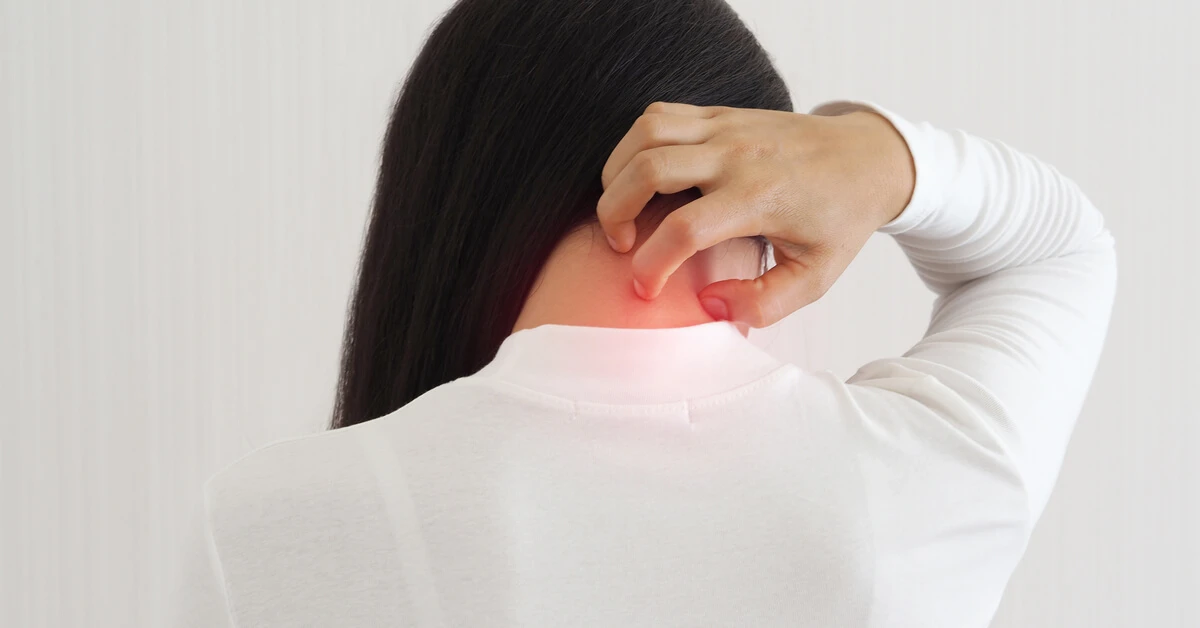

Cervical Spondylosis: A Comprehensive Overview
Cervical disc pain is one of the most common conditions affecting many people due to aging, poor posture, or repetitive neck movements. Patients often experience persistent neck pain and stiffness that interfere with daily activities and reduce their quality of life. As a result, many people seek effective cervical disc treatment and non-surgical solutions to relieve pain without the need for surgery.
At Dr. Mohamed Koura's Center, Cervical disc pain is treated using advanced interventional pain management techniques such as radiofrequency therapy and nerve root injections. With accurate diagnosis and personalized treatment plans, patients receive effective, minimally invasive care designed to relieve neck pain, improve mobility, and help them return to their normal daily activities.
Causes of Cervical Spondylosis
Cervical spondylosis is a common condition caused by the wear and tear of the cartilage covering the cervical vertebrae. Key contributing factors include:
- Aging: The likelihood of cartilage deterioration increases with age.
- Genetic predisposition: A family history of cervical issues can heighten the risk.
- Daily habits: Prolonged periods of sitting in front of screens or poor body posture increase pressure on the cervical vertebrae.
- Injuries: Accidents or sports-related injuries can exacerbate cartilage wear, increasing the risk of cervical disc herniation.
- Chronic diseases: Conditions like arthritis can also play a role in the development of cervical spondylosis.
When is Treatment Required?
Individuals experiencing neck pain may not initially think they have cervical spondylosis, given the various potential causes. However, signs of spondylosis may include:
- Localized pain: Pain or weakness in the neck that worsens with movement.
- Numbness: Tingling in the arms or shoulders may indicate nerve compression.
- Headaches and dizziness: Persistent headaches or feelings of dizziness can accompany neck pain.
- Reduced mobility: Difficulty moving the neck in all directions can be frustrating.
- Muscle spasms: Some individuals may experience muscle cramps in the neck or shoulder area.
The appearance of these symptoms warrants a consultation with a specialist for an accurate diagnosis and appropriate treatment.
Treatment Options for Cervical Spondylosis
Several medications can alleviate the symptoms of cervical spondylosis after consulting a physician. Common options include:
- Pain relievers: Medications like acetaminophen and anti-inflammatory drugs help reduce pain and inflammation.
- Muscle relaxants: These can relieve muscle tension.
- Nerve pain medications: Gabapentin and pregabalin are sometimes prescribed for nerve-related pain.
If medications fail to provide relief, surgical intervention may become necessary. Cervical disc surgery aims to remove the problematic disc, followed by appropriate surgical techniques to restore mobility and improve quality of life.
Non-Surgical Treatments
When Cervical disc pain is confirmed as the diagnosis, advanced non-surgical treatments such as radiofrequency ablation may be recommended to relieve pain and improve neck function. During this procedure, controlled thermal energy is delivered through a fine needle precisely guided to the affected area of the cervical spine pain, helping reduce pain by targeting the nerves responsible for transmitting pain signals.
The procedure is minimally invasive, performed under sterile conditions with local anesthesia, and usually takes 20–30 minutes. Most patients can return home the same day. Although many experience gradual improvement, the full benefits of treatment for Cervical disc pain may take up to two weeks, during which pain levels can temporarily fluctuate.
Home Strategies for Relief
Patients can alleviate pain associated with cervical spondylosis by modifying daily habits. Key strategies include:
- Regular exercise: Strengthening neck muscles improves flexibility.
- Proper posture: Maintaining an upright sitting position reduces pressure on cervical vertebrae.
- Stress management: Controlling stress can help reduce muscle tension associated with pain.
Additionally, applying ice for 15-20 minutes or heat for 10-15 minutes can provide relief. These methods can be repeated every couple of hours for optimal results.
Conclusion
Treating cervical spondylosis is important, as this will relieve pain, help improve your quality of life, and improve daily activities that this may impair cervical spondylosis, neck pain, neck stiffness. This can be achieved by a range of methods from lifestyle, exercise and medical treatment through to surgery which requires close examination of individual patients non-surgical treatment, spine treatment, pain management.
Seeking help from a competent specialist like Dr Mohamed Koura is extremely beneficial in selecting a treatment method that will bring a quick and less painful resolution to neck pain. Dr Koura has much experience with spinal ailments and has various advanced interventional pain treatment options available for you radiofrequency therapy, nerve root injection. He has a comprehensive knowledge of all spinal ailments and provides an in-depth assessment and individualized treatment plan that can get you back to your life pain free. Visiting Dr Koura with symptoms of cervical spondylosis will ensure you receive an accurate examination and will provide you with a suitable course of action.
Dr. Mohamed Koura is here to assist you using the latest therapeutic techniques, including thermal radiofrequency and laser treatments for spinal pain without surgery—book your appointment now from here.
Why Choose Dr. Mohamed Koura ?
Simply because he is the best doctor in his feild. He stays updated on the latest treatment technologies through his participation in various international conferences with leading foreign doctors and experts. Finally, and most importantly, Dr. Mohamed Koura is the best doctor in Egypt and the Arab world, possessing 12 non-surgical techniques for treating spinal and joint problems. He was the first to introduce modern interventional treatment techniques in Egypt & the Middle East and is the only one using the disc fx technique to treat spinal pain.
To see patients' reviews
Click hereCommon symptoms include persistent neck pain, stiffness, reduced range of motion, headaches, dizziness, pain radiating to the shoulders or arms, and numbness or tingling if the cervical nerves are affected.
Yes. Most cases of cervical spondylosis can be managed without surgery using medications, physical therapy, radiofrequency ablation, therapeutic injections, and lifestyle modifications, depending on the severity of the condition.
Cervical spondylosis is commonly caused by age-related wear and tear, poor posture, prolonged desk work, previous neck injuries, arthritis, and genetic factors that accelerate degeneration of the cervical spine.
A life without pain without surgery
Once you book with Dr. Koura
Get rid of pain with just one call… Book your appointment now with Dr. Mohamed Koura, the best pain management doctor and a specialized consultant in spine treatment.
The highest success rates thanks to years of experience and scientific development
Using the latest non-surgical technologies available in Egypt and the Middle East
The largest team specialized in treating spine and joint pain without surgery

































Services
Our Branches
- Egypt - El Mohandssen
- +201210577770
- 54, intersection of Al-Batal Ahmed Abdel Aziz Street with the League of Arab States, above Qatar National Bank - Mohandiseen - Giza
- Dubai
- +971501232065
- Dubai Healthcare City Phase 2 - Al Jaddaf - Dubai - United Arab Emirates
- Al Sheikh Zayed
- 00201067303035
- ، First Al Sheikh Zayed, Giza Governorate