
 العربية
 English

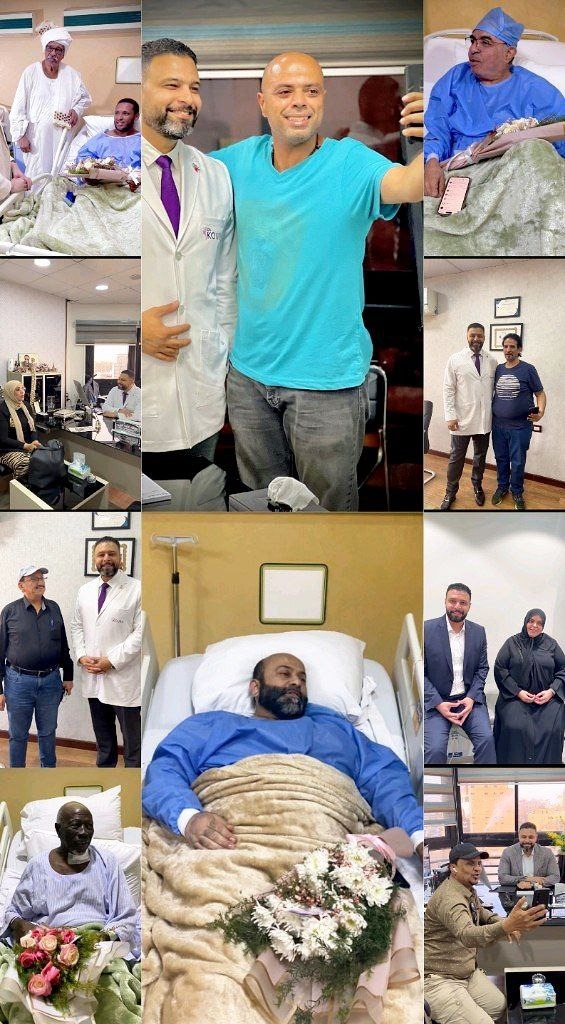
To see patients' reviews
Click hereBack Pain in Cairo and Dubai: Why Have a Diagnostic Block Before Radiofrequency?

The following is an illustrative scenario, not a real patient story or testimonial.
Imagine a man whose lower back aches whenever he stands through a meeting. He starts choosing restaurants according to their chairs and leaving family outings early. After months of exercises and treatment, he hears about radiofrequency and arrives at a consultation hoping to arrange it immediately.
Instead, the discussion turns to a diagnostic injection. His first question is understandable: “Why have an injection that might help for only a few hours?”
The answer begins with a different question: which structure is actually contributing to his pain? A lumbar medial branch block can help inform that assessment in selected patients. Understanding its purpose can make the next decision clearer, including when a procedure should not be the next step.
The scan is part of the conversation
The small facet joints at the back of the spine link neighbouring vertebrae and allow controlled movement. They can become painful, sometimes producing discomfort in the lower back, buttocks or upper thighs. A medial branch block places local anaesthetic around small nerves supplying these joints to assess their contribution to pain. [1]
However, an MRI report mentioning “facet arthritis” does not establish that these joints explain all your symptoms. Clinical assessment and imaging have limitations in identifying painful facet joints. [2] Bring your scan, but also explain what your pain stops you doing. For our illustrative patient, standing through a meeting matters more than finding a treatment for every word in his report.
Who might be considered for a block?
This is not an automatic first treatment for a new backache. NICE supports assessment for radiofrequency in selected people with persistent, localised, moderate-to-severe back pain when non-surgical care has not worked and the suspected source is supplied by the medial branch nerves. Its pathway requires a positive diagnostic block before denervation. Exercise and appropriate non-surgical management remain relevant. [3]
The consultation should review previous treatment, its duration and whether it was practical to follow. “Physiotherapy did not help” is useful information, but discussing the exercises, progress and barriers is more helpful than simply counting sessions. Ask what can still be improved without an intervention and what information a block would add.
What does the injection involve?
A diagnostic block is usually performed with imaging guidance, commonly X-rays, to position the needles. Skin preparation and local anaesthetic are used. Tell the team about possible pregnancy, infection, allergies, diabetes and all medicines, especially blood thinners. [4] Do not change prescribed medication independently; obtain individual instructions before the appointment.
Ask whether the proposed injection is a local-anaesthetic diagnostic test or a different treatment. A diagnostic block is not the same as injecting steroid into a joint. Routine sedation is generally discouraged for diagnostic facet blocks because it can affect interpretation; when necessary, its implications should be discussed. [2]
Why temporary relief can be useful
The purpose is to gather information, not promise lasting relief from the test itself. When the anaesthetic wears off, pain may return without making the test meaningless. [5]
Before leaving, make sure you understand the observation plan. A pain diary can record how symptoms change, when relief begins and ends, and what happens during the activities the team permits. [5], [6] For our illustrative patient, the useful question would be whether an agreed everyday task felt different during the observation period—not whether he could suddenly complete a strenuous workout.
Record no improvement just as honestly as improvement. You are not trying to “pass” an examination or qualify for a treatment. Useful notes might read: “The same back pain during standing; no clear change,” or “Standing felt easier at this time; discomfort returned later.” These are examples of observations, not predicted outcomes.
A result needs interpretation
Blocks are imperfect: false-positive and false-negative results occur. There is also disagreement over the relief threshold and whether one or two blocks should precede radiofrequency. [2] Ask your clinician to explain the planned criteria before the test.
At follow-up, discuss what happened rather than selecting the most encouraging moment. Was the change meaningful to you? Were you assessing the same pain? What were you able to do? If the result is uncertain, ask what further assessment would clarify. A weak or unclear response is a reason to reconsider the plan, not a personal failure.
Does a positive block mean radiofrequency will work?
No. Radiofrequency uses heat to interrupt signalling in targeted nerves; it is a separate procedure with separate consent. Benefit varies, and some patients obtain no relief. Soreness, a temporary pain flare or burning discomfort can occur. [7] Nerves can recover and pain can return. [8]
The evidence also deserves an honest discussion. NICE supports a selected-patient pathway, while a 2025 BMJ guideline recommends against joint radiofrequency for chronic axial spine pain. Its linked review rated the evidence for joint radiofrequency as very low certainty. [3], [9], [10] These differing recommendations mean a positive test should not be presented as a guarantee or an obligation to proceed.
Ask about the expected benefit for your situation, alternatives, cost, recovery and the plan if treatment does not help. The goal is a decision you understand and can reconsider.
Risks and symptoms that should not wait
Medial branch blocks can cause local tenderness or bruising, infection and temporary numbness or weakness if anaesthetic spreads. Serious nerve injury is very rare. [1] Bleeding and allergic reactions are additional considerations when discussing your personal risk. [14] Follow the team's discharge, driving and activity instructions, and arrange transport as advised.
Back pain with new bladder or bowel dysfunction, loss of sensation around the genitals or anus, or weakness or numbness in both legs requires emergency assessment. Fever or rapidly worsening severe pain needs urgent medical review. Do not wait for a routine pain-clinic appointment. [11]
What a consultation with Dr. Mohamed Koura can clarify
Dr. Mohamed Koura practises as a Consultant in Pain Medicine in Egypt and a Specialist in Pain Medicine in Dubai. His listed international qualifications include FIPP — Fellow of Interventional Pain Practice and EDPM — European Diploma in Pain Medicine. [12] These are relevant credentials to consider alongside a clear explanation of your options; they do not guarantee an outcome.
A useful consultation should leave you understanding the suspected pain source, what remains uncertain, whether a diagnostic block would change management, and how progress will be judged. Bring previous imaging, reports, a medication list and a brief treatment history. Choose one concrete goal, such as standing more comfortably at work, to discuss.
If persistent back pain is limiting your day, book a consultation with Dr. Mohamed Koura in Mohandessin or Sheikh Zayed in Greater Cairo, Egypt, or Dubai, UAE. Select your branch and confirm availability with the booking team. The first step is an assessment of whether a diagnostic block—or another approach—fits your situation. [13]
Why Choose Dr. Mohamed Koura ?
Simply because he is the best doctor in his feild. He stays updated on the latest treatment technologies through his participation in various international conferences with leading foreign doctors and experts. Finally, and most importantly, Dr. Mohamed Koura is the best doctor in Egypt and the Arab world, possessing 12 non-surgical techniques for treating spinal and joint problems. He was the first to introduce modern interventional treatment techniques in Egypt & the Middle East and is the only one using the disc fx technique to treat spinal pain.
No, it is necessary to make a reservation through a phone call or social media messages.
Lower back pain can result from several causes, including a herniated disc, nerve compression, muscle strain, or chronic spinal injuries. Lifestyle factors such as prolonged sitting, muscle weakness, and excess weight can also exacerbate the problem.
Yes, most cases can be successfully managed with non-surgical treatment for lower back pain. Options such as medication, nerve root injection, disc injection, and radiofrequency therapy are highly effective in relieving pain and improving mobility without the need for surgery.
The best treatment for back pain depends on the cause and severity of the condition. Typically, it starts with medication for back pain, followed by minimally invasive procedures like nerve root injections or radiofrequency therapy to target the source of pain effectively.
Yes, radiofrequency therapy is considered a safe and effective option for chronic lower back pain. It works by interrupting pain signals from the affected nerves and provides long-lasting relief, especially in cases of herniated disc and spinal pain.
A life without pain without surgery
Once you book with Dr. Koura
Get rid of pain with just one call… Book your appointment now with Dr. Mohamed Koura, the best pain management doctor and a specialized consultant in spine treatment.
The highest success rates thanks to years of experience and scientific development
Using the latest non-surgical technologies available in Egypt and the Middle East
The largest team specialized in treating spine and joint pain without surgery

































Services
Our Branches
- Egypt - El Mohandssen
- +201210577770
- 54, intersection of Al-Batal Ahmed Abdel Aziz Street with the League of Arab States, above Qatar National Bank - Mohandiseen - Giza
- Dubai
- +971501232065
- Dubai Healthcare City Phase 2 - Al Jaddaf - Dubai - United Arab Emirates
- Al Sheikh Zayed
- 00201067303035
- ، First Al Sheikh Zayed, Giza Governorate